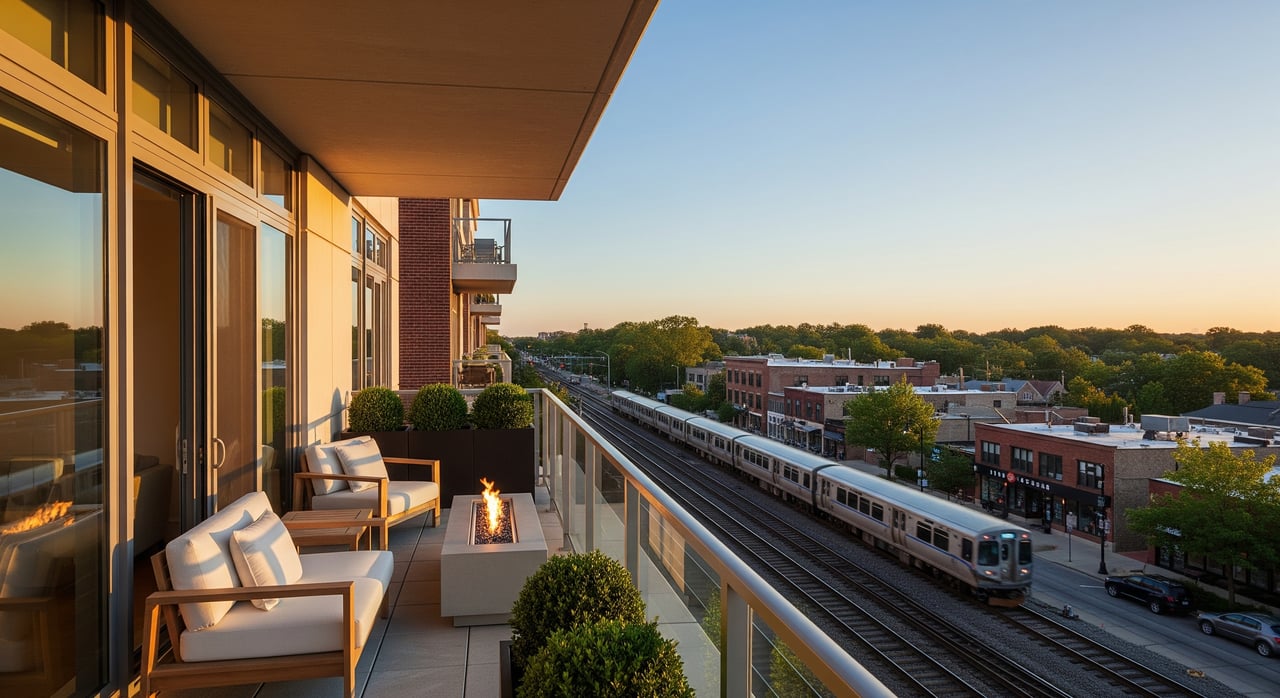
Looking for an investment that stays in demand year-round and appeals to commuters, professionals, and downsizers? Highland Park condos near the Metra and downtown check those boxes with walkability, transit access, and a vibrant local scene. If you want reliable rentability, predictable demand, and a clear screening process, you’re in the right place. In this guide, you’ll learn what drives tenant interest, how to evaluate HOA health, which building features matter most, and a step-by-step due diligence workflow tailored to Highland Park. Let’s dive in.
Why Highland Park works for investors
Highland Park sits on Chicago’s North Shore with an active downtown core, local restaurants and shops, and cultural draws like the Ravinia Festival. It is served by two Union Pacific North Metra stations: the Highland Park station in the downtown core and Braeside just south of downtown. Easy access to these stations broadens your tenant pool to include Chicago workers who prefer a suburban lifestyle.
Walkability matters here. Units within a 5 to 10 minute walk of the Highland Park station often see stronger demand because commuting is simpler and more predictable. Proximity to downtown retail, grocery options, parks, and the lakefront adds to the value story for tenants who want a car-light lifestyle.
Seasonal events can boost occupancy. Ravinia’s concert season brings short bursts of demand, which may help reduce vacancy or support furnished stays if allowed. Many HOAs and local codes restrict short-term rentals, so always verify the rules before assuming you can run a short-term strategy.
Location and walkability checklist
Target the station zone
Focus your search within an easy walk of the Highland Park Metra station in the downtown core. Braeside station also serves commuters and sits close to parkland and Ravinia, which some renters value for leisure and events. A shorter, safe walk route during peak commute times will stand out in your listing.
Map daily conveniences
Note the distance to grocery stores, coffee shops, gyms, parks, and the lakefront. A compact daily radius supports premium rent for tenants who prioritize lifestyle and time savings.
Use quick tools
Check walking time using Google Maps, then validate with Walk Score and Transit Score for each address. These objective measures help you compare locations and market the unit’s strengths.
Parking and commuter convenience
Assigned and covered parking is a meaningful perk for Highland Park renters. It adds convenience in winter and removes uncertainty for evening arrivals. Confirm whether parking is deeded, assigned, or rented separately, and whether it is included in HOA dues. Ask about local street parking rules or permits that could affect tenants, especially if your unit will have multiple occupants.
Unit and building features renters want
For buildings three stories or more, elevators are often expected. In-unit laundry, modern kitchens and baths, secure entry, and on-site storage make units easier to lease and keep occupied. A well-maintained HVAC system, updated windows, and sound plumbing reduce downtime and surprise expenses.
Small, thoughtfully updated one-bedrooms and studios typically lease faster than dated units at the same size. If you plan to renovate, prioritize durable finishes, efficient layouts, and bright lighting. When you market, highlight any bike storage, common outdoor space, and pet-friendly policies that align with your target tenants.
HOA rules and financial health
HOA documents can make or break your investment plan. Review the Declaration, Bylaws, and Rules to confirm rental caps, minimum lease terms, pet policies, guest and occupancy rules, and any short-term rental bans. Look for owner-occupancy requirements or board approval steps that could delay leasing.
Understand what dues cover
Study monthly HOA dues and the services included. Heat, water, common insurance, snow removal, and landscaping often fall under dues. High dues that exclude major utilities can compress net cash flow, so model both gross rent and net income after dues and expenses.
Gauge reserves and governance
Ask for the current budget, most recent financial statements, reserve study if available, and the history of special assessments. Reserves should align with building age and upcoming projects. Review 12 to 24 months of board minutes for tone and transparency. Litigation, frequent leadership turnover, or document gaps raise risk.
Owner-tenant mix and financing
The ratio of owner-occupied units to rentals affects financing and building dynamics. Very high investor concentration can reduce appeal to future owner-occupants and raise lender scrutiny. Ultra-low rental allowances can limit your flexibility. Clarify current ratios early and confirm the building’s eligibility with your lender if you plan to finance.
Regulatory environment and compliance
Two sets of rules matter: local code and HOA policy. Verify any landlord registration, licensing, or inspection requirements. Short-term rental rules vary and are often restrictive in condo buildings. Follow Illinois landlord-tenant law for deposits, disclosures, and timelines. If you have questions on legal language or leasing restrictions, consult a local real estate attorney with condo experience.
Rents, comps, and seasonality
Pull comps across nearby condo and apartment buildings and adjust for unit size, condition, parking, and included utilities. Use multiple sources such as the local MLS and major rental listing platforms to triangulate achievable rents and expected days on market. Build in seasonality: Ravinia can boost occupancy, while winter months may slow turnover.
Due diligence checklist
Use this two-stage list to keep your process efficient and consistent.
Initial quick screen
- Confirm walking time to the Highland Park Metra station and downtown amenities.
- Check Walk Score and Transit Score for the exact address.
- Pull recent comparable rentals from the local MLS and major listing platforms to estimate achievable rent.
- Look up the parcel on the Lake County Assessor for taxes and basic property data.
- Verify if assigned or covered parking is included with the unit.
Early documents to request
- Association Declaration, Bylaws, Rules and Regulations, and amendments.
- Current HOA budget and the latest financial statements.
- Reserve study, or documentation of reserves and planned capital projects.
- Minutes from the last 12 to 24 months of board meetings.
- Master insurance certificate and details on coverage and deductibles.
- Assessment history for the last 3 to 5 years and any upcoming special assessments.
- Owner roster, owner-occupancy rate, and rental-to-owner ratio.
- Any leasing policies, rent rolls for investor-owned units, and management agreements.
- Litigation disclosures and open maintenance contracts.
- Parking and storage policies and assignments.
Physical inspection focus
- In-unit: floors, kitchen and bath condition, appliances, windows, HVAC age and service, electrical panel, water pressure, and signs of leaks or pests.
- Building: roof age and condition, façade and envelope, elevator status and inspection certificates, common area maintenance, and boiler or central plant service history.
- Safety: smoke and CO detectors, egress, fire suppression, and any open code violations.
- Utilities: confirm individual vs shared metering and which utilities are covered by HOA dues.
- Parking: assignment clarity, surface condition, signage, and access security.
Legal and leasing checks
- Rental caps, minimum lease terms, subleasing rules, and any board approval requirements.
- Short-term rental policies at both the HOA and city level.
- Pet rules and any added deposits or fees.
- Occupancy and guest policies that could affect house-hacking plans.
Financial modeling and red flags
- Model monthly HOA dues, expected vacancy, management fees if applicable, and a realistic capital reserves line.
- Watch for low reserves, repeated special assessments, high assessment delinquencies, or reluctance to share documents.
- Investigate any pending litigation and large upcoming capital items like roof or elevator replacement.
- Confirm that one owner does not control an outsized share of units, which can affect operations.
House-hacker considerations
- Confirm the HOA allows subletting and multi-occupant leases if you plan to rent by room.
- Verify any local occupancy limits on unrelated tenants.
- Ensure parking supply can support multiple occupants and guests.
- Confirm the tenant screening process and whether board approval is required.
Step-by-step screening workflow
- Initial electronic review: Map walking time to Highland Park or Braeside, check Walk and Transit Scores, and pull five to ten rental comps.
- Quick HOA scan: Ask the listing agent for the Declaration, recent budget, and confirmation of rental policies and any pending assessments.
- Site visit: Walk the commute route during morning peak. Note building maintenance, noise, and access to grocery and services.
- Deep due diligence under contract: Obtain the full HOA packet, financials, reserve study, insurance, and meeting minutes. Order inspections as allowed and review any existing leases.
- Final decision: Build a conservative pro forma, factor possible assessments, confirm lender eligibility, and pressure test your exit strategy.
Benchmarks and expectations
Aim for a balanced owner-occupancy ratio that supports both lending and leasing. Healthy reserves and a transparent assessment history indicate steady governance. If HOA dues are high relative to comparable apartment rents, your net cash flow may compress unless the unit commands a premium for condition or features. Model conservatively and take a long view on exit options, including resale to an owner-occupant or another investor.
How we help
We know Highland Park and the North Shore market dynamics and how walkability and Metra access shape demand. If you are buying, we help you target buildings with strong fundamentals, validate rent comps, and review HOA documents for leasing flexibility. If you are selling, we use Compass marketing systems and presentation-first strategies to position your condo for premium results with professional staging, photography, and a controlled launch.
We also coordinate practical market prep. From light updates to value-focused renovations, we help you choose improvements that matter to tenants and buyers, then bring the condo to market with clear, data-informed pricing. You get boutique guidance backed by proven processes, and we stay personally engaged from the first tour to the closing table.
Ready to explore walkable Highland Park condos near Metra or prep a unit for sale? Reach out to Allie + Julie to request a free home valuation and a tailored investment plan.
FAQs
How close to Metra adds value in Highland Park?
- Units within about a 5 to 10 minute walk to the Highland Park station typically see stronger demand from commuters, which can support faster leasing and steadier occupancy.
Are short-term rentals allowed in Highland Park condos?
- Many HOAs and local codes restrict short-term rentals. Always verify both the municipal rules and your building’s HOA policies before planning any short-term strategy.
Which HOA documents matter most for investors?
- Review the Declaration, Bylaws, Rules and Regulations, current budget, financials, reserve study, assessment history, 12 to 24 months of board minutes, insurance certificate, and any litigation disclosures.
What building features help condos rent faster?
- In-unit laundry, updated kitchens and baths, secure entry, elevator access, assigned covered parking, and extras like storage, bike space, and outdoor common areas help attract tenants.
How do HOA dues impact returns on a condo?
- Dues directly reduce net income. Compare dues to included services, model utilities, and factor reserves for capital items. High dues with limited coverage can compress cash flow.
Does Ravinia season affect rental demand?
- Yes. Concert season can create short-term demand spikes and help reduce vacancy. Confirm that both HOA rules and local code allow the leasing approach you plan to use.