Wondering whether your first Lincoln Park home should be a vintage walk-up, a newer condo, a rowhouse-style home, or a high-rise? That choice can shape your monthly costs, daily routine, and long-term comfort just as much as the list price. If you are trying to balance charm, convenience, parking, and predictable ownership costs, this guide will help you sort through the tradeoffs. Let’s dive in.
Why Lincoln Park feels different
Lincoln Park offers a mix that is hard to reduce to one housing style. The neighborhood sits beside Chicago’s largest park, which spans 1,188.62 acres and includes the zoo, conservatory, beaches, North Pond, the rowing canal, and the Lakefront Trail. That park access is a big reason many first-time buyers focus here.
The housing stock also tells an important story. CMAP’s June 2026 snapshot shows a median year built of 1970, with 34.0% of housing units built before 1940 and only 8.8% built in 2010 or later. In plain terms, Lincoln Park gives you a meaningful choice between older character-filled buildings and a smaller pool of newer homes.
Your day-to-day lifestyle matters here too. Average household size is 1.9, and 45.5% of households are made up of one person. The neighborhood is also relatively car-light, with 31.6% of households having no vehicle available, while 26.7% of workers commute by transit and 8.0% walk or bike to work.
Why building type matters first
In Lincoln Park, the building type often drives the biggest tradeoffs. Two homes with similar square footage can feel completely different depending on the age of the building, the amount of shared infrastructure, and whether parking is included or easy to manage.
That is why we often suggest starting with your daily priorities before you get too attached to finishes. If you know whether you care most about character, lower maintenance uncertainty, more privacy, or park access, your search gets much easier.
Vintage walk-ups: charm with more questions
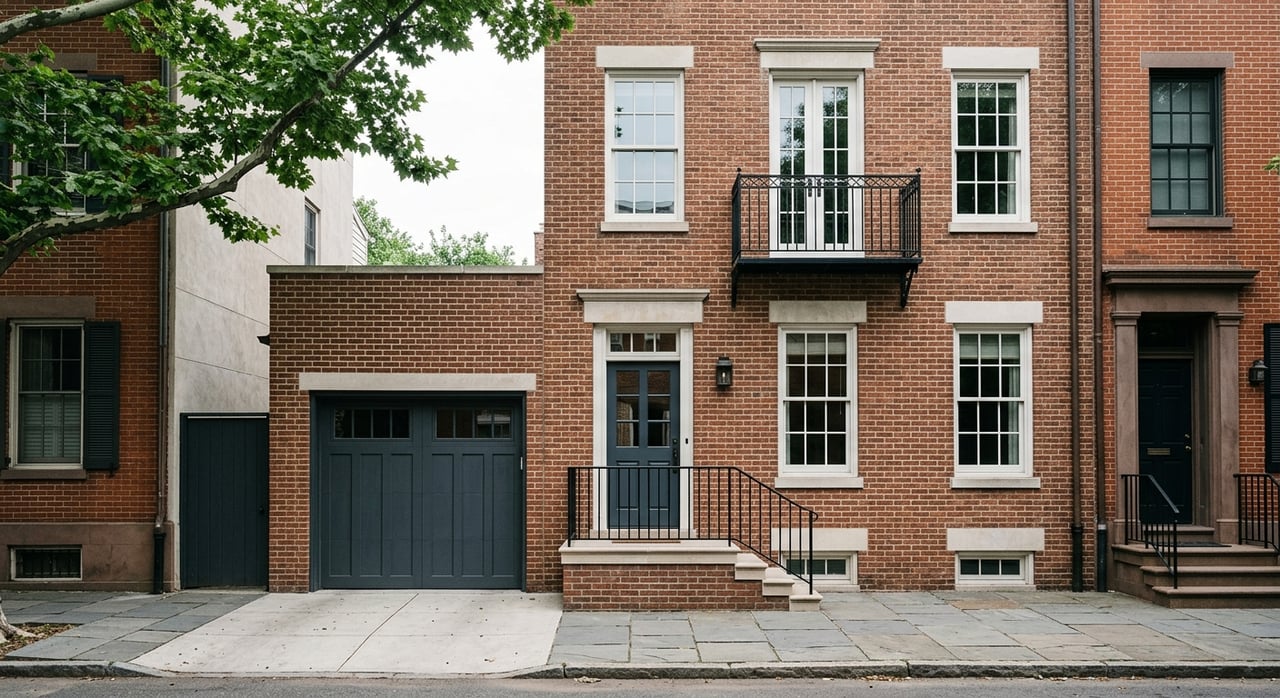
Lincoln Park has deep roots in older low-rise housing. The city’s landmark districts, including the Mid-North District and the Burling and Fremont Row House Districts, show how common brick rowhouses and early apartment buildings are in this part of Chicago. If you love historic texture and a classic neighborhood feel, this housing type may be the first one that catches your eye.
The tradeoff is that older buildings usually deserve more careful review. With a relatively old housing stock across the neighborhood, buyers should look closely at age-sensitive systems, reserve funding, and the chance of future special assessments. Character can be a real advantage, but it should come with strong due diligence.
If you tour a vintage unit, ask practical questions early. You will want to understand how the association handles long-term maintenance, what reserves look like, and whether any major repairs are being discussed. For many first-time buyers, that monthly predictability matters just as much as the look of the unit itself.
Newer condos: fewer rehab unknowns
Lincoln Park does have newer housing options, even if they are a smaller share of the market. CMAP reports that 14.9% of housing was built from 1990 to 2009, and 8.8% was built in 2010 or later. That means you can still find homes that may feel more turnkey.
For many first-time buyers, newer condos can reduce some of the uncertainty that comes with older systems and near-term renovation needs. The tradeoff is that costs often show up in a different place. Instead of spending more on individual repairs, you may be more focused on assessments, building operations, and association governance.
That distinction matters in Illinois. State guidance explains that condo owners typically pay operating assessments, reserve assessments, and special assessments, and those payments generally cannot be withheld. So while a newer building may feel simpler at first glance, you still want a clear picture of how the association budgets and plans ahead.
Townhomes and rowhouse-style homes: more house-like feel
If you want something that feels closer to a house, attached rowhouse-style homes can be a strong middle ground. Lincoln Park’s historic districts make this option especially relevant, since rowhouses are part of the neighborhood’s built identity.
The appeal is easy to understand. These homes can offer more privacy and a more residential feel than a typical condo building. They may also appeal to buyers who want less shared hallway and elevator living without giving up a central location.
Still, it is important not to assume that attached means fully independent. If the home is association-governed, common-expense rules can still apply. That is why it helps to review what you actually own, what is shared, and what the association is responsible for before you compare this option to a condo or single-family-style setup.
High-rises: park access and shared systems
High-rise living is also part of Lincoln Park’s history and present-day appeal. Buildings along the lakefront edge reflect a long-standing pattern of taller residential living near the park. If your dream is to live close to the lake, the trail, and major open space, this category may rise to the top quickly.
The tradeoff is usually straightforward. You may gain stronger park and lake adjacency, but you also take on more shared infrastructure, more building rules, and a bigger need to understand how the property operates. In a high-rise, your lifestyle fit is often tied to the building itself as much as the unit.
Parking can be especially important in this category. In Chicago residential parking zones, the City Clerk notes that residents may add the zone number to a city sticker for an added annual cost, and daily guest permits are also available when the zone matches the street signage. That means you should verify your real parking plan instead of assuming street parking will work out.
Assessments can change the math
For first-time buyers, monthly payment planning often starts with mortgage numbers but ends with association costs. In Lincoln Park, assessments are not just background fees. They can fund day-to-day operations, reserves for future work, and special assessments for unplanned repairs.
That is why two similarly priced homes can feel very different in practice. A lower-priced unit with weaker reserves or higher future repair exposure may not feel cheaper once you understand the building’s full financial picture. Looking only at the asking price can lead you in the wrong direction.
When you compare options, ask for a simple explanation of what the assessment covers. You want to know whether the amount supports routine operations only or also helps fund longer-term maintenance. That context often makes the best choice much clearer.
Parking may matter more than you expect
Lincoln Park is easier to enjoy without a car than many other neighborhoods. Between CTA access on the Brown, Red, and Purple lines, bus routes, and a strong share of transit, walking, and biking commuters, many buyers can prioritize location over dedicated parking.
Still, your own habits should decide the issue. If you drive regularly, parking should move near the top of your checklist. A beautiful unit can lose its appeal fast if your parking plan is uncertain, expensive, or inconvenient.
On the other hand, if you do not need a car, that flexibility can open up more options. You may be able to focus on better location, stronger building quality, or a newer unit instead of paying a premium for garage access.
Lincoln Park areas to compare on tours
Lincoln Park changes block by block, so it helps to compare a few different pockets while you tour. The Mid-North District, bounded by Fullerton, Armitage, Lincoln, and Clark, offers a mix of rowhouses, workers’ cottages, and apartment buildings that can help you understand the neighborhood’s older residential fabric.
If you want a strong historic feel, the Burling and Fremont row-house districts are useful points of comparison. These are compact areas with a distinctly older streetscape. They can help you decide how much vintage character you want in your everyday setting.
If your priority is park access, test the east side carefully. Lincoln Park itself includes major destinations such as the zoo, conservatory, beaches, North Pond, and the Lakefront Trail. For some buyers, being close to those amenities outweighs compromises on space, parking, or building type.
For errands, shopping, and dining, the Lincoln Park Chamber highlights four commercial micro-areas worth noting: Armitage-Halsted, North Clybourn, Lincoln-Halsted, and Lakefront-Clark. Touring around those corridors can help you compare how much activity, convenience, and foot traffic feels right for your routine.
As a secondary comparison, Old Town Triangle just south of Lincoln Park can be helpful to tour alongside it. The area includes rowhouses, apartment buildings, and narrow tree-lined streets. Seeing both can help you clarify how much urban energy versus quieter residential feel you want.
A simple first-time buyer filter
If you feel torn between several good options, use a simple decision filter on every showing:
- If monthly predictability matters most, ask about reserves, capital plans, and the likelihood of a special assessment.
- If you drive, verify parking first and do not assume street parking will be easy.
- If you want less direct maintenance responsibility, review exactly what the association covers.
- If you do not want a car, prioritize transit access and be open to trading parking convenience for a better location or newer unit.
The best choice is the one that fits your routine
In Lincoln Park, there is no single best first home type for everyone. A vintage walk-up may offer the most character, a newer condo may offer more comfort around building age, a rowhouse-style home may feel more private, and a high-rise may put the park and lake closest to your front door.
The right answer usually comes down to how you live each day. When you match your routine to the building type, the tradeoffs become easier to accept and the right home gets easier to spot.
If you want help comparing Lincoln Park options with a practical, data-informed lens, Allie Payne can help you weigh layout, location, building financials, and lifestyle fit before you make your first move.
FAQs
What should first-time buyers compare first in Lincoln Park?
- Start with building type, parking needs, and monthly assessment structure before focusing on finishes.
What should buyers know about Lincoln Park condo assessments?
- In Illinois, assessments can cover operating costs, reserves, and special assessments, so you should review what the monthly amount includes.
What makes vintage walk-ups appealing in Lincoln Park?
- Vintage walk-ups often offer strong character and central location, but older buildings may require closer review of systems, reserves, and repair planning.
What is the benefit of a newer condo in Lincoln Park?
- A newer condo may reduce some rehab uncertainty, though you still need to evaluate assessments and association governance carefully.
Why does parking matter so much in Lincoln Park home searches?
- Lincoln Park has many car-light households, but if you drive regularly, parking access and residential zone rules can strongly affect your daily convenience.
Which Lincoln Park areas should first-time buyers tour?
- Consider comparing the Mid-North District, the Burling and Fremont row-house districts, the east side near the park, and key commercial areas like Armitage-Halsted and Lakefront-Clark.