Wondering if you can live in Evanston without a car? You’re not alone. With rail lines, local buses, a bike network, and walkable hubs, Evanston gives you real options to simplify daily life. In this guide, you’ll see how transit, biking, and smart housing choices can cover work, errands, and weekends. Let’s dive in.
Why Evanston works car-free
Evanston sits just north of Chicago with a compact, built-up layout. Many homes are near rail stations and commercial streets, which puts groceries, dining, and services within reach. The city’s mix of students, families, and long-time residents supports frequent transit and a steady flow of local retail.
Winter matters here. Cold and snow shape when you walk, bike, or ride. Most residents fine-tune their routines by season, using walking and transit for most trips, then rideshare or a rental car as needed.
Rail transit: CTA and Metra
Rail is the backbone of car-free life in Evanston. Two systems serve different needs, and both connect smoothly to everyday routines.
CTA Purple Line at a glance
The CTA Purple Line runs through Evanston and links you to the broader Chicago L network. You get frequent service and easy transfers to other lines for citywide access. For in-town trips or multi-stop errands, CTA is often the simplest and most reliable choice.
If you live near a station, you can plan a walk-plus-rail commute and handle daily chores without a car. Station areas often have shops and services, so you can pair errands with your ride home.
Metra UP-N for regional speed
Metra’s Union Pacific North line follows Evanston’s lakefront corridor. It is designed for longer-distance commuting with fewer stops and faster runs to downtown Chicago and northern suburbs. If you work in the Loop or along the line, Metra can save time during peak hours.
Your best option depends on your origin, schedule, and priorities. Choose CTA for frequency and intra-city flexibility. Choose Metra for predictable peak-hour speed to regional hubs.
Buses and shuttles fill the gaps
Local buses link neighborhoods to rail stations and key destinations. Pace suburban routes and other local service help you reach areas that are farther from the tracks. Northwestern University also operates shuttles that serve campus travel and reduce short-distance car use around the university.
For many residents, buses and shuttles cover the first or last mile. They also help on cold days when you want to minimize walking.
Biking and micromobility
Evanston’s bike network gives you a practical alternative for errands and short commutes. The city ties neighborhoods to downtown areas and to the lakefront, where you can connect to longer regional routes.
Lakefront trail connection
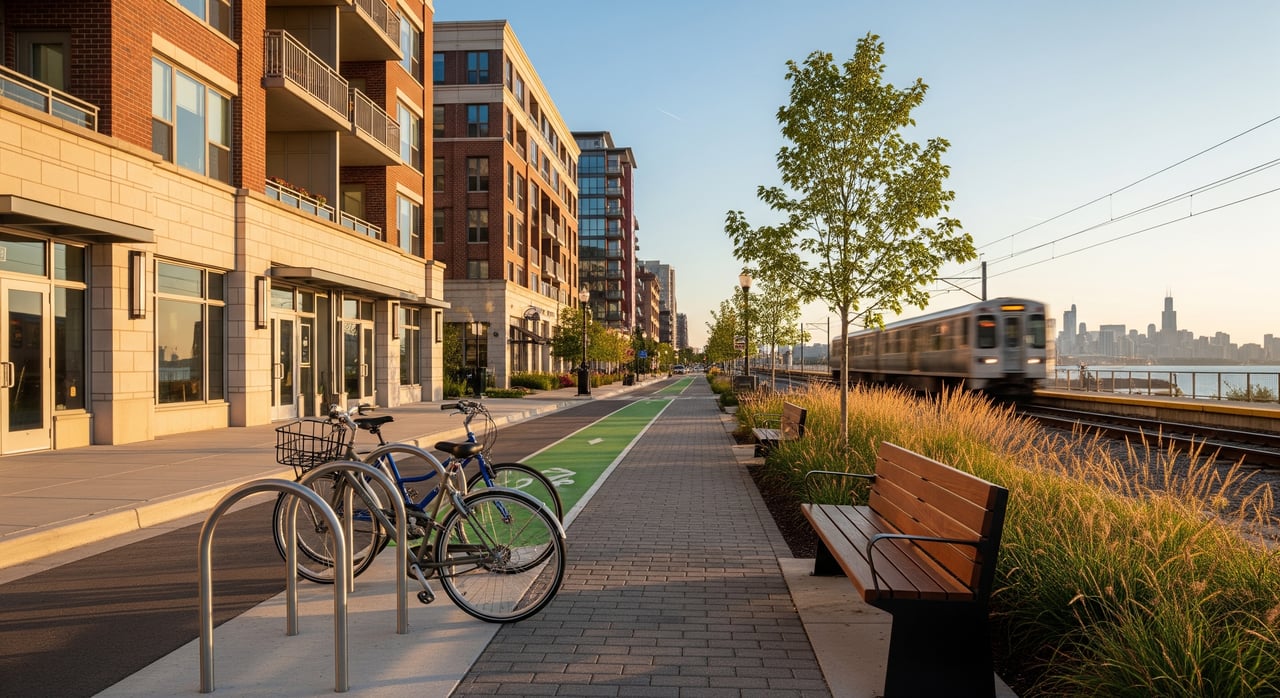
The multi-use trail along the lakefront creates a mostly separated north-south spine. It links Evanston to Chicago’s lakefront path and to local parks. For many riders, it is the most comfortable option for daily travel and weekend recreation.
Lanes, routes, and shared options
On-street facilities range from protected lanes to shared streets. Some corridors are continuous while others vary by block. Bike-share and e-bike options add flexibility for people who do not own a bike. Availability can change by season and vendor, so plan a backup for nights or poor weather.
Trips of two to five miles are well suited to biking. E-bikes and cargo bikes make it easier to carry groceries or ride with kids. If you choose a building, ask about bike storage so your setup is easy to use year-round.
Winter riding strategies
Snow and ice can reduce bike-lane comfort. You can extend your riding season with fenders, brighter lights, wider tires, and layers. Some residents switch to transit or rideshare during the harshest weeks and then return to biking once conditions improve.
Walkability and daily errands
If you live near transit and a commercial street, many errands are a short walk or quick ride. That is the heart of car-free living in Evanston.
Groceries and essentials
Supermarkets, independent stores, and pharmacies are spread across the city, with higher concentrations near station areas and downtown corridors. You can walk or bike for weekly staples. For bulky items, order delivery or use rideshare or a short-term car rental.
Healthcare, schools, and parks
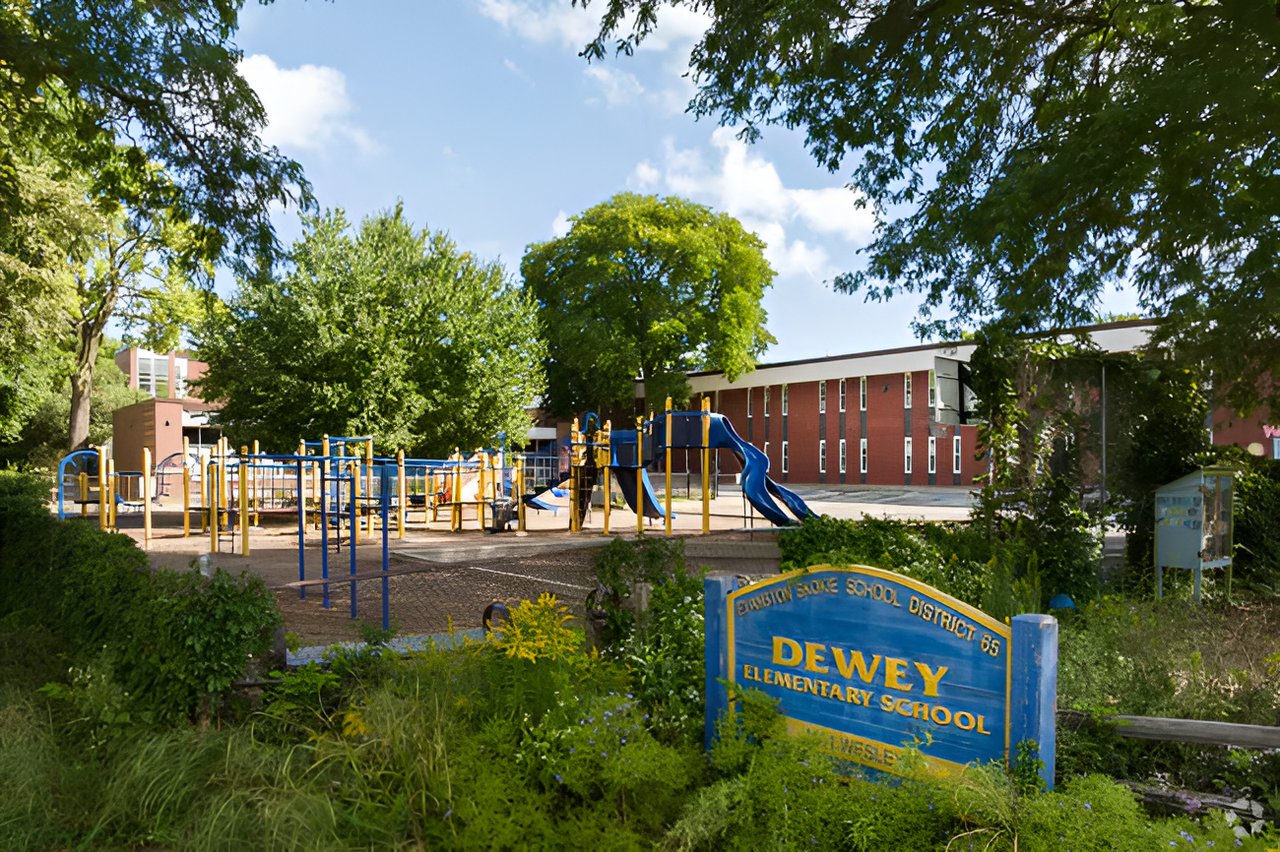
Hospitals, clinics, and public amenities are distributed throughout Evanston. If proximity to schools or childcare is important, map those addresses from any home you are considering. The lakefront and parks are reachable by foot, bike, or short transit rides, which makes everyday recreation simple.
Street-level experience
Downtown areas typically offer stronger sidewalks, lighting, and crosswalks than some residential blocks. If walkability is a priority, visit at different times of day to see traffic, lighting, and crossing comfort for yourself.
How to choose a car-free address
Your location shapes your daily ease more than any other factor. Use this quick framework as you search.
Map your daily anchors
List your key destinations: work, school, daycare, grocery, and healthcare. Prioritize homes within a short walk of a rail station or near a main commercial corridor. For multi-person households, choose a spot that balances everyone’s trip needs.
Check service patterns and hours
Review how the CTA, Metra, and local buses operate at your typical times. Some routes are more frequent at peak or have different weekend patterns. Confirm your early-morning or late-evening travel, especially if you work irregular hours.
Storage and building features
Ask about indoor bike storage, stroller space, and package rooms. If you plan to use an e-bike or cargo bike, measure doorways and elevators. Station elevators and curb ramps matter for accessibility, so verify the features that support your routine.
Budget and backups
Many Evanston households shift to one car or none and save on insurance, fuel, parking, and maintenance. Those savings can offset a station-area rent premium. Build a small monthly budget for rideshare, bike maintenance, or occasional car rentals to cover outlier trips.
Everyday scenarios that work
The right blend of options looks different for each household. Here are common patterns that show how car-free life comes together.
Student or young professional
You live near a station and downtown. You use the CTA for most trips, walk for groceries and dining, and grab a bike-share for short hops. When weather turns, you rely on buses or a rideshare back-up.
Chicago commuter
You choose Metra for a fast, predictable peak-hour ride to downtown and swap to CTA when you need off-peak flexibility. You may keep one household car for weekend trips, though many commuters go without.
Family with school-age children
You pick a home close to schools and a grocery store. You do local trips on foot or bike and use buses and shuttles for activities near the university and downtown. For large stock-up runs or gear-heavy outings, you use delivery, a rideshare, or a short-term rental car.
Local worker or remote worker
Your workday is mostly nearby or at home. You walk or bike for errands and lunch and hop on CTA or Metra for city meetups. You might keep a bike with panniers or a small cart for weekly groceries.
Pros, trade-offs, and workarounds
Car-free living offers lower costs, less stress, and more time in your neighborhood. The trade-off is planning. Station-area homes can cost more, winter can be tough on bikes, and some trips still call for a car.
Here are simple workarounds that make it easier:
- Pair your commute with errands near your destination station.
- Keep a rideshare budget for late-night or severe-weather rides.
- Use grocery and package delivery for bulky items.
- Invest in basic winter gear or switch modes in the coldest weeks.
- Choose a building with reliable bike storage to make daily trips simple.
Putting it together
If you anchor your home near transit and walkable retail, you can live comfortably in Evanston without a car. Rail covers most commutes. Buses and shuttles connect the gaps. Bikes and the lakefront trail make short trips easy, and winter plans keep you moving when conditions change.
If you are weighing neighborhoods, we can help you match your daily anchors to the right blocks and buildings. We know the station areas, seasonal patterns, and building features that make car-light living a practical reality.
Ready to explore homes that fit a car-free lifestyle in Evanston? Reach out to Allie Payne for local guidance and a tailored search plan.
FAQs
Can you commute to downtown Chicago without a car from Evanston?
- Yes. Both CTA and Metra provide rail service between Evanston and downtown Chicago. Choose CTA for frequency and network access or Metra for faster peak-hour runs.
Is Evanston bike-commuter friendly year-round?
- Many residents bike spring through fall using on-street routes and the lakefront trail. Winter riding is possible but more challenging due to snow and ice.
Where should you look for housing to live car-free in Evanston?
- Prioritize homes within a short walk of a rail station or near a main commercial corridor. Map your grocery, daycare, and work trips before you decide.
Do you need a car for groceries and large purchases in Evanston?
- Routine groceries are manageable by walking, biking, or delivery. For bulk buys or oversized items, consider rideshare, carshare, or a short-term rental.
How do parking and guest visits work if you do not own a car?
- You will still want to understand local visitor parking rules near your home so guests can park easily when they visit.