Thinking about selling your Wilmette home in the next year but unsure which updates will actually pay off? You’re not alone. In a compact, competitive North Shore market, buyers pay attention to turnkey presentation, period-friendly finishes, and a smooth, move-in feel. In this guide, you’ll learn which updates typically deliver the most impact in Wilmette, how to time and sequence them around permits, and how to use pay-at-closing options to launch fast. Let’s dive in.
What Wilmette buyers prioritize
Wilmette attracts many family buyers and commuting professionals who value a walkable village center, Metra and CTA access, and the lakefront. Many also consider proximity to public schools, including Wilmette Public Schools District 39 and the New Trier High School footprint, as part of their overall decision-making. Keep your language and positioning neutral and factual when you discuss schools with buyers. Visit the District 39 site for official information.
Much of Wilmette’s housing stock is early to mid 20th century. Buyers appreciate homes that respect the original character while feeling fresh and bright. Clean, uncluttered rooms, light neutral paint, polished hardwoods, and updated lighting set the right tone.
Staging matters too. The National Association of REALTORS notes that staging helps buyers visualize a property and can shorten time on market. If you stage only a few spaces, prioritize the living room, kitchen, and primary bedroom. Explore NAR’s staging insights.
Smart, cost‑effective updates that sell in Wilmette
Curb appeal that pops
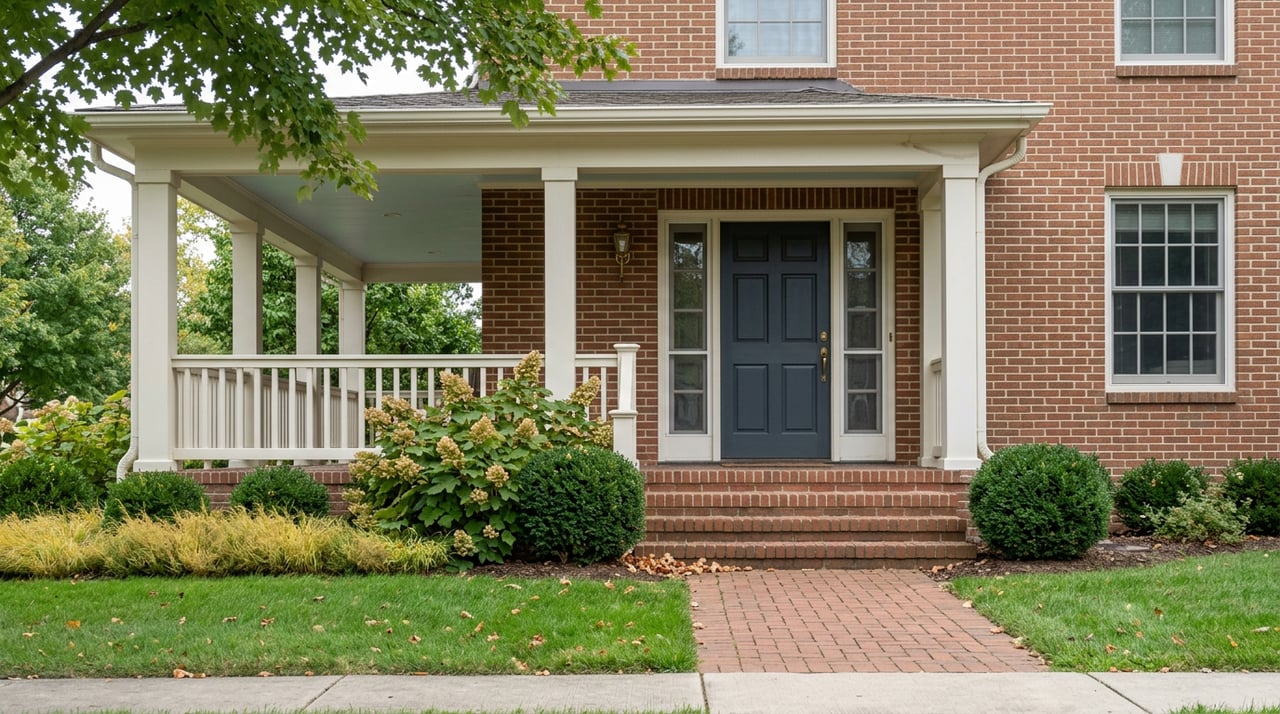
First impressions drive perceived value, especially in higher-priced North Shore suburbs. National data consistently shows exterior projects among the top recoupers. Garage-door and entry-door replacements rank near the top for return on investment, according to the Cost vs. Value report. Use this category for quick confidence boosts. Review Cost vs. Value national data.
Quick curb wins typically include pressure washing, fresh mulch and bed edging, seasonal planters, updated house numbers and mailbox, and a freshly painted or replaced front door. For many Wilmette homes, a targeted curb appeal package in the $2,000 to $8,000 range can be high leverage. Get local bids to refine your number.
Minor kitchen refresh, major impact
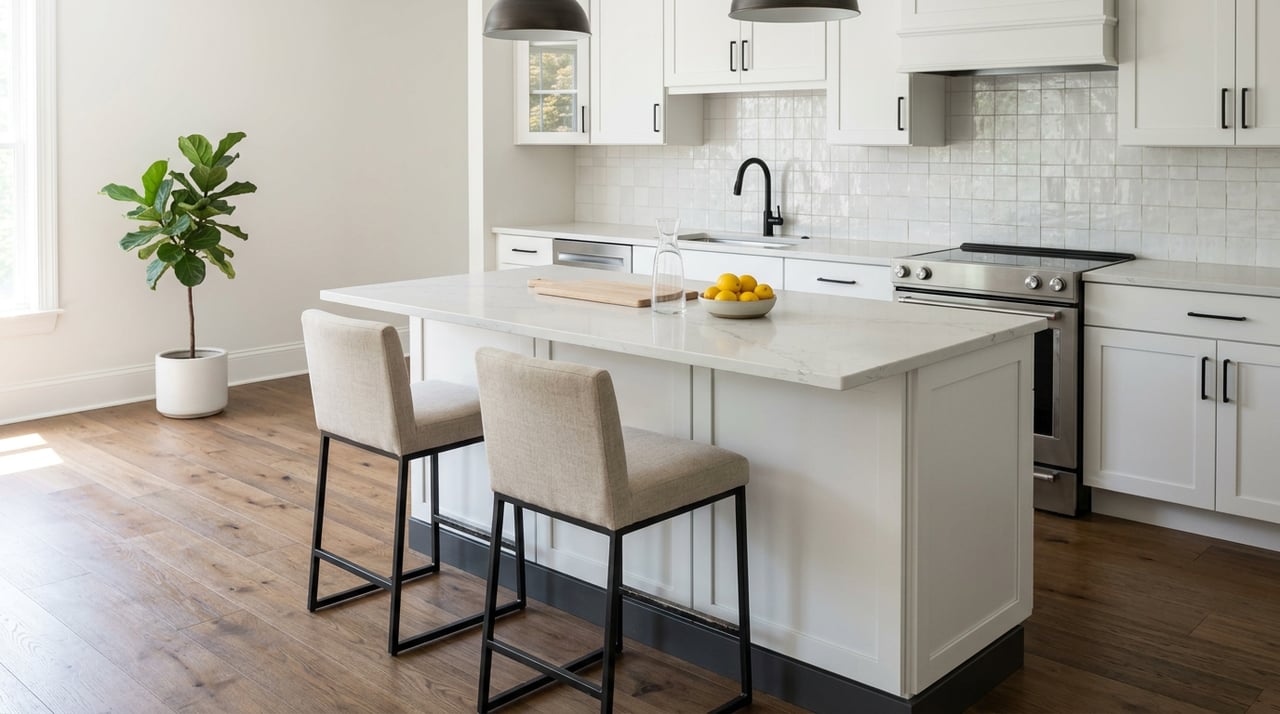
A focused, midrange kitchen update tends to outperform a full gut for sellers. National Cost vs. Value data shows a “Minor Kitchen Remodel | Midrange” with strong recoup potential, and their 2025 national example puts a midrange minor kitchen around $28,000. The key is to refresh, not reconfigure. See Cost vs. Value’s kitchen project benchmarks.
Consider these elements:
- Paint or reface cabinets and add new hardware.
- Replace counters and backsplash if dated.
- Add LED under-cabinet lighting and swap dated fixtures.
- Install a modern faucet and deep clean every surface.
Avoid moving plumbing or changing layouts unless your local comps justify the spend.
Bathroom updates buyers notice
Midrange bath projects often recoup a solid share of cost on a national basis. In Wilmette, aim for clean tile lines, a fresh vanity and mirror, modern lighting, and meticulous regrouting and caulking. Keep the footprint the same. Focus on making the bath feel bright, clean, and calm. Consult Cost vs. Value for bath ROI trends.
Refinish hardwoods for instant polish
Hardwood floors have high buyer appeal. Refinishing original floors or installing quality wood where appropriate can transform how your home shows and photographs. NAR and remodeling research regularly highlight wood floors and refinishing among projects with strong buyer impact. If you have classic floors, put this near the top of your list. For design inspiration on natural, timeless finishes, explore NAR’s HouseLogic guidance on trend-resilient interiors. See HouseLogic’s perspective.
System health and maintenance
Buyers have low tolerance for obvious deferred maintenance. If your roof, HVAC, or electrical system is nearing end of life, consider repairs or servicing with documentation. This reduces buyer uncertainty and helps you avoid last-minute credits. Certain system repairs can be eligible for pay-at-closing options through broker programs. Learn how Compass Concierge works.
Stage and photograph like a pro
Staging, thoughtful styling, and professional photography are essential to driving attention and faster offers. According to NAR, staging can help buyers visualize the space and improve offer strength. Even modest staging makes your photos pop, which is critical for online search. Review NAR’s staging research.
Avoid over‑improving beyond comps
Large additions and ultra-luxury finishes can underperform if they overshoot the neighborhood ceiling. Cost vs. Value reporting shows very expensive projects often recoup a smaller share. Align your scope with recent comparable sales on your block. Use Cost vs. Value as a planning anchor.
A simple, permit‑aware timeline
Follow this sequence to keep momentum and avoid surprises. Adjust for your home’s condition and the season.
Step 0: Prelim consult (0 to 7 days)
- Ask for a comp-driven make-ready plan tied to your likely price band.
- If you’re considering pay-at-closing options, request a sample agreement and partner summary before work starts. See Compass Concierge basics.
Step 1: Quick wins (1 to 2 weeks)
- Declutter, deep clean, and depersonalize.
- Paint high-impact rooms in light, neutral tones.
- Tidy landscaping, edge beds, and add seasonal planters.
- Stage the living room, kitchen, and primary bedroom. NAR’s staging page outlines benefits.
Most paint-and-stage packages can be scheduled and completed in 3 to 10 business days when vendors are available.
Step 2: Moderate projects (2 to 6 weeks)
- Refinish floors, then complete a minor kitchen refresh and bath updates.
- Install new lighting and hardware after painting to protect finishes.
- Only schedule photography and final staging once visible work is complete to maximize your launch.
Use national benchmarks for order-of-magnitude planning, then get local bids. Cost vs. Value provides up-to-date project data.
Step 3: Permits and reviews (start early)
Wilmette’s Community Development Department publishes a “permits required” list. Projects that move plumbing, alter structure, or change exteriors often need permits and inspections. If your property is landmarked or in a designated context, you may need Historic Preservation review.
- Check the village’s guidance on what requires a permit. View Wilmette’s permits-required list.
- Review the current fee schedule. As a planning anchor, building permits are calculated at approximately $20.16 per $1,000 of construction value, plus a $39 inspection fee. Confirm current fees with the village. See the Wilmette fee schedule.
- For historic or context-sensitive exteriors, contact the Historic Preservation Commission early. Start with the HPC page.
Starting permit intake as soon as your scope is defined helps prevent listing delays.
Step 4: Final staging, photography, and soft launch (1 to 2 weeks)
- Schedule professional photography and virtual floor plans immediately after final touch-ups.
- Consider a Private Exclusive or Coming Soon period to build early interest while you complete last details.
- Move to full launch when your home shows clean, bright, and polished.
Budget anchors and how to choose scope
If you want a quick, photo-ready refresh, a common guideline is to budget around 1 percent of your expected sale price for paint, landscaping, minor repairs, and staging. For Wilmette’s price band, that often means a five-figure cosmetic package. If you add a midrange kitchen or bath refresh, expect a larger budget. For planning, the national example for a minor kitchen is around $28,000, with strong recoup shown in recent Cost vs. Value reporting. Check Cost vs. Value for specifics.
Local bids and recent comps on your block are the final word. Your agent should pressure-test each line item against neighborhood expectations and likely buyer reaction.
How Compass Concierge can help you launch faster
Compass Concierge is a program that can front approved pre-listing costs like staging, paint, flooring, landscaping, minor kitchen or bath updates, inspections, and certain repairs, with repayment due at closing or at a defined program date. The goal is to remove up-front cost barriers so you can present a stronger product sooner. Learn more about Compass Concierge.
To use it wisely, follow a simple checklist:
- Ask for the current Concierge agreement or partner offer summary in writing. Confirm fees, if any, and all repayment triggers.
- Build a prioritized, comp-driven scope. Avoid blanket spending.
- Verify that vendors are licensed and insured, and collect lien waivers at completion.
- Flag any permit or historic review needs before work begins so you can route plans early. Review Wilmette’s permits-required list.
- Confirm how payoff will be handled at closing with your settlement team.
Used thoughtfully, Concierge can help you sequence the right projects quickly while protecting your net.
Wilmette must‑knows before you start
- Historic Preservation. If your property is locally landmarked or in a regulated context, some exterior changes require a Certificate of Appropriateness. Start early with the Historic Preservation Commission. Find HPC resources here.
- Permits and fees. Many structural, plumbing, and exterior projects require permits and inspections. Budget for permit fees, which are calculated using the village schedule. See the current fee schedule and permits-required list.
- Contractor licensure. Work with licensed and insured contractors and keep copies of insurance, licenses, contracts, and lien waivers to reduce post-sale risk. Start with Wilmette’s contractor guidance.
- Condo or HOA rules. For condos, check association requirements for alterations, required building approvals, and disclosures. Be ready with current financials and policy documents.
Your next move
If you want to sell faster and protect your price, focus on projects buyers feel immediately: curb appeal, paint, floors, lighting, and a minor kitchen or bath refresh where it counts. Plan permits early, stage with intention, and launch with professional photos. When helpful, use pay-at-closing options to accelerate your timeline without cash up front.
Ready for a personalized, comp-backed plan for your Wilmette home? Request a free home valuation and a step-by-step prep list tailored to your block. Connect with Allie Payne to get started.
FAQs
What updates add the most value before selling a Wilmette home?
- Prioritize visible, market-aligned projects such as curb appeal, light neutral paint, hardwood refinishing, a minor kitchen refresh, and targeted staging; align scope with neighborhood comps and use national benchmarks from Cost vs. Value for planning.
Do I need a permit to replace a front door or make exterior changes in Wilmette?
- Some exterior work requires permits, and historic or landmarked properties may need additional review; confirm your scope against the village’s permits-required list and contact Community Development early.
How long does a minor kitchen refresh take before listing?
- A typical minor refresh often runs 2 to 6 weeks depending on materials and vendor availability; sequence painting, refacing, counters, backsplash, lighting, and hardware so photography happens only after all visible work is complete.
Can Compass Concierge cover staging and paint for my Wilmette home?
- Yes, staging, paint, flooring, landscaping, and certain minor kitchen or bath updates can be eligible under program guidelines, with repayment at closing; confirm current terms in writing on the Compass Concierge site.
How do Wilmette’s historic rules affect my timing and budget?
- If your home is landmarked or in a regulated context, some exterior changes require Historic Preservation review and permits, which can add lead time and fees; start with the Historic Preservation Commission and the village’s fee schedule before committing to a timeline.