Do you love original woodwork and vintage details, or do you want a turnkey home with modern systems and an open kitchen? In Evanston, both paths are popular, and each comes with clear tradeoffs. You want a home that fits your lifestyle, budget, and timeline without surprises. In this guide, you will learn how Evanston’s housing styles differ, what maintenance and renovation really mean, and how to plan financing and due diligence with confidence. Let’s dive in.
Evanston home styles at a glance
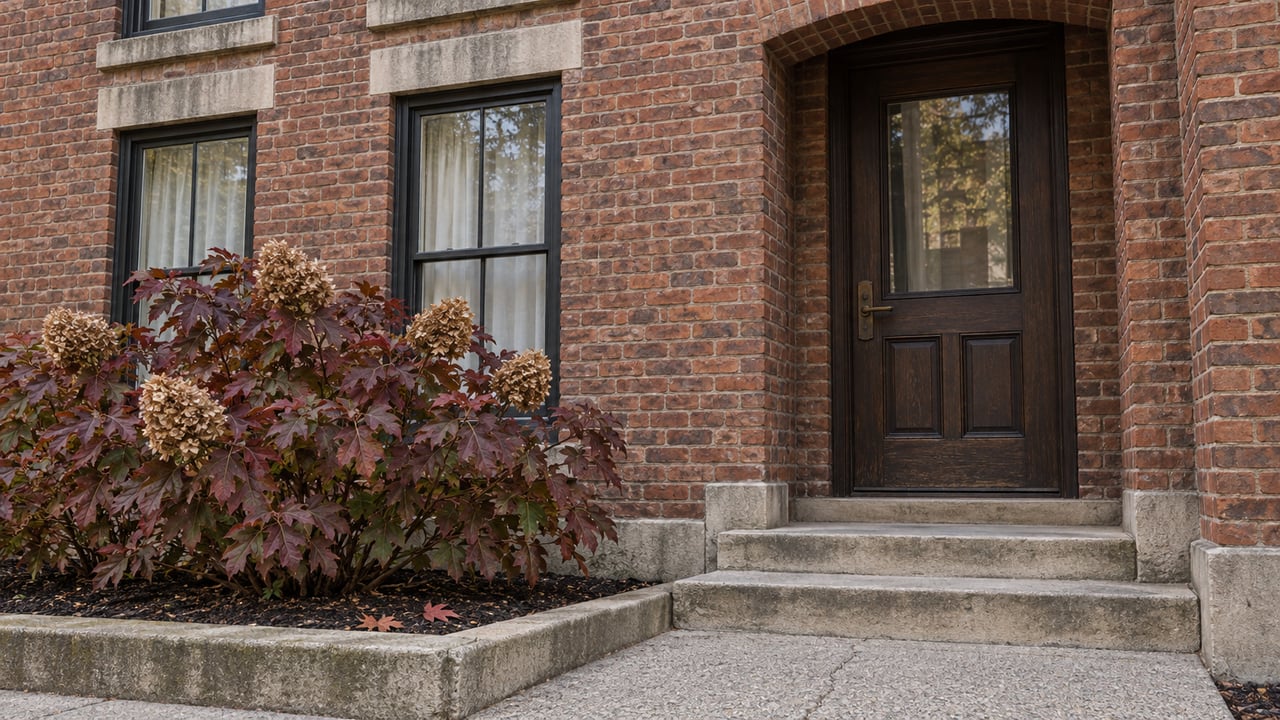
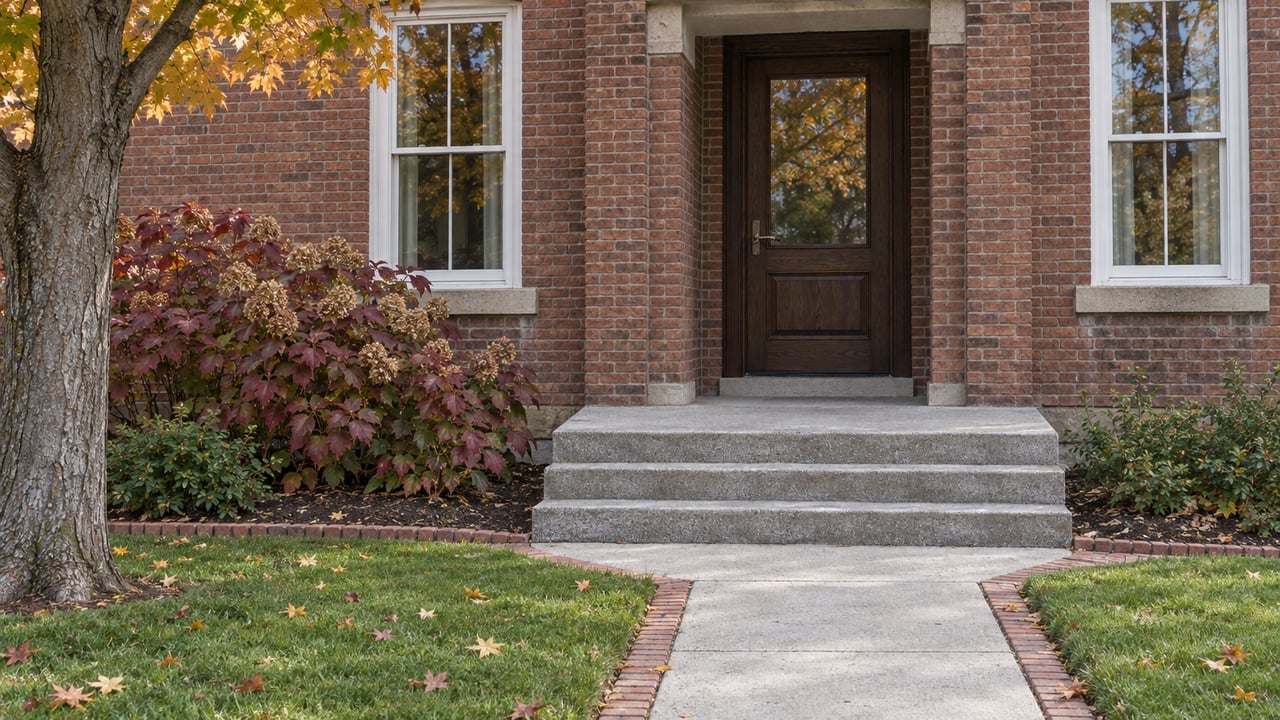
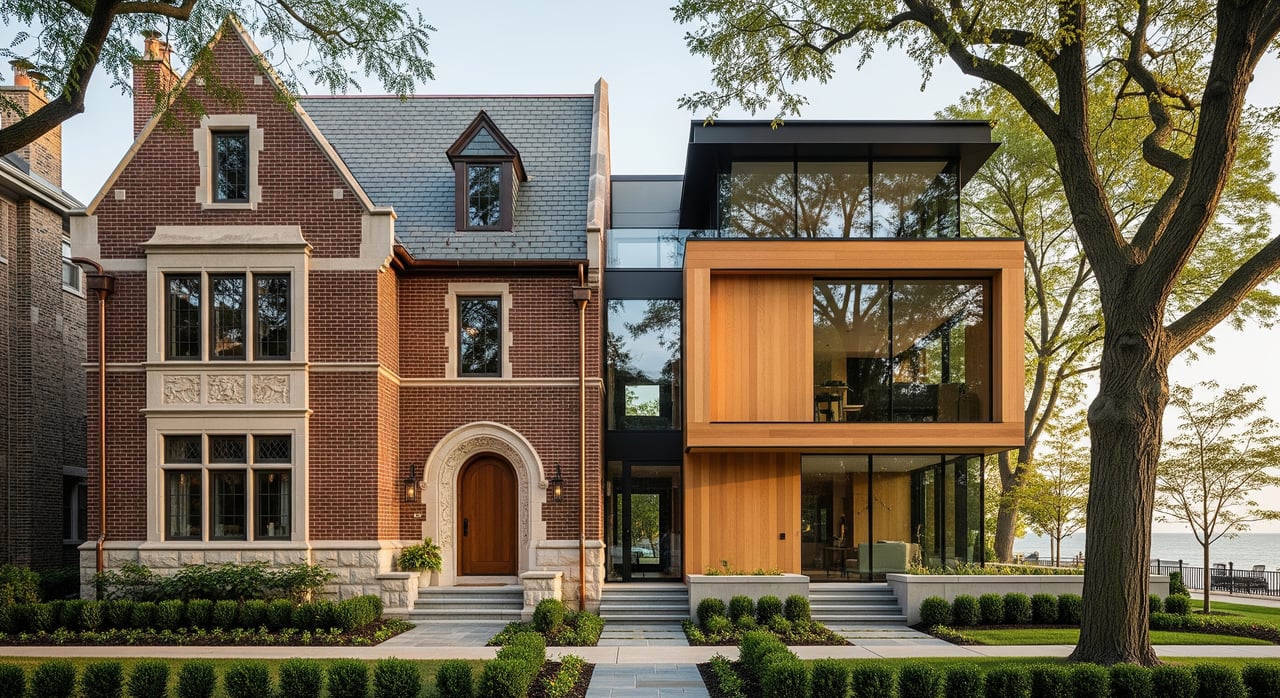
Evanston’s neighborhoods offer a wide mix of late-19th and early-20th century homes alongside mid-century and newer infill. Close to the lake, downtown, and transit, you will see more older buildings and classic single-family homes. Newer construction appears more often on redeveloped lots and offers modern layouts and systems. Demand is shaped by proximity to Northwestern, walkable business districts, and CTA or Metra access.
What you get with historic charm
Architectural character and layouts
- Defined rooms like parlors and formal dining spaces
- Original hardwood floors, built-in millwork, and decorative trim
- Separate kitchens and smaller baths by today’s standards
- Mature trees and established landscaping
Systems and structure check
Many older homes retain original framing, plaster, masonry chimneys, and historic exterior materials like wood siding or slate roofs. Electrical may include knob-and-tube or ungrounded wiring, and plumbing can be cast iron or galvanized. These systems often need evaluation and may require upgrades for safety, insurance, and resale.
Energy and comfort
Without retrofits, older homes can feel drafty and cost more to heat or cool. Upgrades like window replacement, air sealing, and added insulation help. Modern HVAC can further reduce energy use and improve comfort.
Maintenance realities
Plan for regular exterior care such as masonry tuckpointing, chimney work, roof and gutter maintenance, and periodic paint. Basements may need moisture management. A common rule of thumb is to set aside about 1 to 4 percent of the home’s value each year for maintenance, with older homes often trending higher.
What you get with updated homes
Modern layouts and systems
- Open floor plans with larger kitchens and islands
- En-suite bedrooms and additional bathrooms
- Updated electrical, plumbing, insulation, and double-pane windows
- HVAC and water heaters that meet current efficiency standards
Efficiency and comfort
Newer or fully renovated homes usually perform better on airtightness, insulation, and mechanical efficiency from day one. This can reduce utility costs and simplify ownership in the near term.
Lower near-term upkeep
If the roof, windows, mechanicals, and finishes were recently completed, you can expect fewer immediate projects. Regular maintenance still matters, but the timeline for big-ticket replacements is usually further out.
Renovation paths and timelines
If you are weighing an older home that needs work, align scope and timing with your lifestyle.
- Light cosmetic refresh: paint, floor refinishing, minor bath and kitchen updates. Typical duration is weeks to 2 months.
- Moderate renovation: kitchen remodel with new appliances, window replacement, HVAC updates, bathroom remodels, electrical panel upgrades. Plan for 2 to 4 months.
- Major renovation: structural changes, full mechanical replacement, basement finish, roof and window replacement, and historically appropriate exterior work. Expect 4 to 9 months or more, especially if surprises appear.
Local drivers include permit and inspection timelines, possible historic-preservation review for exterior changes, and contractor availability in the Chicago area.
Costs, surprises, and safety
Older Evanston homes can hide issues behind walls and under floors. Lead-based paint is likely in homes built before 1978, and certain projects require careful management or abatement. Asbestos may exist in pipe wrap, floor tile adhesive, or insulation. Knob-and-tube wiring and old fuse panels can complicate insurance and should be evaluated. Galvanized plumbing and cast-iron drains may leak or restrict flow. Add a contingency of 10 to 20 percent to renovation budgets to handle unknowns.
Rules, permits, and financing in Evanston
Historic districts and exterior work
Evanston has a Historic Preservation Commission and local landmark and district designations. If a property is designated or sits in a local district, you may need approval for exterior-visible changes. Windows, siding, additions, and roofs often require review. Interior work usually has fewer preservation constraints. Confirm status with the City of Evanston early.
Financing renovation
If you plan to buy and improve, consider renovation-friendly loans. FHA 203(k) can finance purchase and eligible repairs. Fannie Mae HomeStyle Renovation is a conventional option for purchase-plus-renovation. Lenders will ask for detailed scopes, contractor bids, and a contingency reserve. Existing owners may use a HELOC or cash-out refinance.
Insurance and appraisals
Insurers may flag homes with outdated wiring, older roofs, or deferred maintenance as higher risk. You may need to address systems before some carriers will offer coverage. Appraised value can be affected by nonstandard layouts or unfinished areas, so documented upgrades and relevant comparable sales support value.
Energy incentives
Utility and state programs in Illinois often provide rebates or incentives for air sealing, insulation, and high-efficiency HVAC. Federal tax credits for some upgrades may also be available from time to time. Check current eligibility and terms as programs change.
Decision guide: Which is right for you?
If you value original details and a classic streetscape, an older home near the lake or transit may be worth the extra maintenance and upgrade planning. If your priority is less work and a faster move-in, target substantially updated properties, recent infill, or full gut renovations. A hybrid path is to buy an older home with recent mechanical upgrades and a reworked floor plan. This gives you character and a shorter project list.
Buyer checklist for Evanston
- Verify historic designation with the City of Evanston to understand exterior rules.
- Schedule a comprehensive home inspection. Add specialists as needed: structural engineer, HVAC or boiler expert, chimney and masonry pro, and a sewer camera inspection.
- For pre-1978 homes, consider a lead paint inspection or risk assessment. Ask about potential asbestos.
- Get contractor bids for planned work and confirm permit requirements and likely timelines.
- Ask insurance agents about coverage if older systems are present, such as knob-and-tube wiring or slate roofs.
- If using a renovation loan, speak with lenders early about FHA 203(k) or HomeStyle requirements.
- Check current utility and state energy programs if you plan insulation, window, or HVAC upgrades.
Ready to compare homes?
You do not have to choose alone. We combine local insight with staging, market prep, and renovation coordination to help you weigh tradeoffs and act with clarity. If you are deciding between historic charm and turnkey convenience, let us walk you through budgets, timelines, and neighborhoods that fit your goals. Reach out to Allie Payne for a thoughtful plan tailored to your next move.
FAQs
Do Evanston historic rules limit renovations?
- If a home is a local landmark or in a designated district, exterior-visible changes usually need review and approval. Interior work has fewer preservation constraints. Confirm status with the City of Evanston before planning.
What loans help finance renovations in Evanston?
- FHA 203(k) and Fannie Mae HomeStyle Renovation allow you to finance a purchase plus qualified improvements. Lenders will require scopes, bids, and contingencies. Existing owners may use a HELOC or cash-out refinance.
How much should I budget for unknowns in older homes?
- Add a 10 to 20 percent contingency to your renovation budget, higher if structural or historic material unknowns are likely. This helps cover surprises behind walls or under floors.
Do older Evanston homes cost more to insure?
- Possibly. Carriers may increase rates or require updates if you have knob-and-tube wiring, aging roofs, or significant deferred maintenance. Shop multiple providers and plan upgrades as needed.
What inspections should I order for a pre-1950 Evanston home?
- Start with a full home inspection, then add a structural review if moving walls, a chimney and masonry check, a sewer camera inspection, an HVAC or boiler evaluation, and a lead paint risk assessment for pre-1978 properties.