Looking to live in Rogers Park and have your neighbors help pay your mortgage? House hacking a 2–4 flat can be a smart path to ownership while building long-term equity. With steady renter demand near Loyola University and CTA Red Line access, the neighborhood offers real potential if you buy and manage the right way. In this guide, you’ll learn the local rules, financing options, step-by-step underwriting, rent comps, and a practical offer checklist. Let’s dive in.
Why Rogers Park works for house hacking
Rogers Park sits on Chicago’s far North Side along Lake Michigan. It includes Loyola University’s campus and multiple CTA Red Line stops like Loyola, Morse, and Jarvis, along with several bus routes. These transit and university anchors support consistent demand for one and two bedroom rentals.
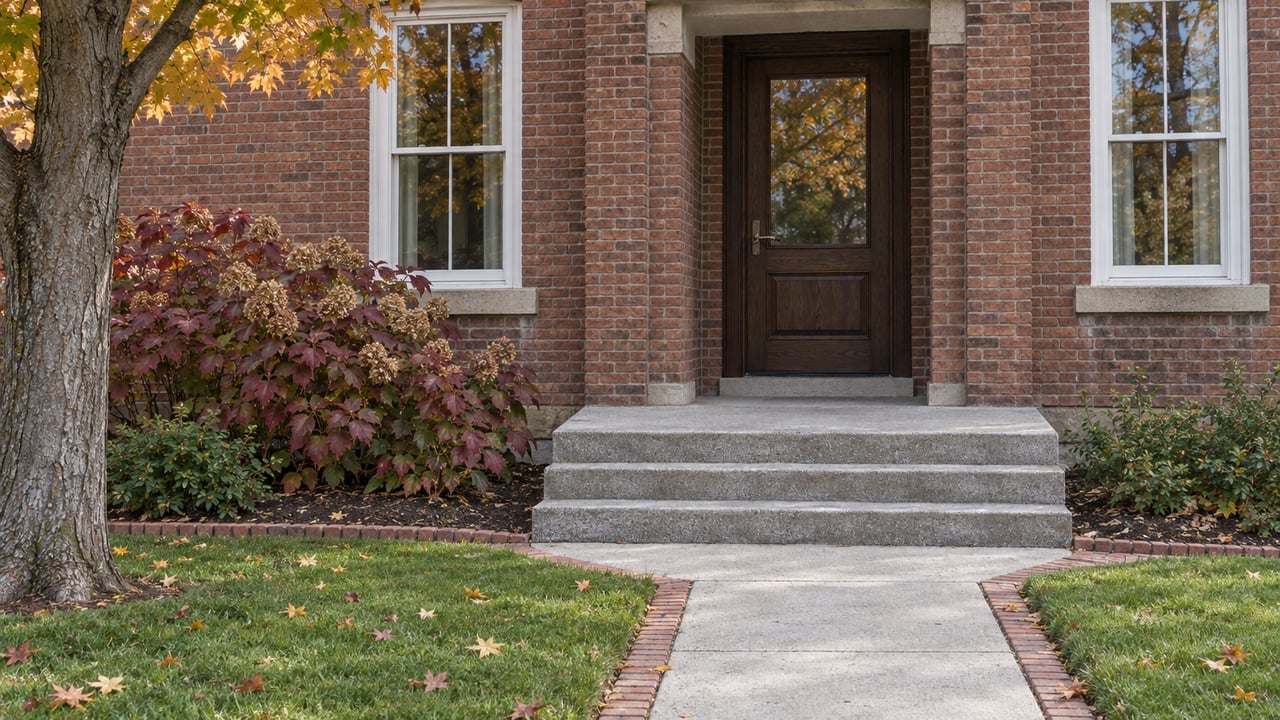
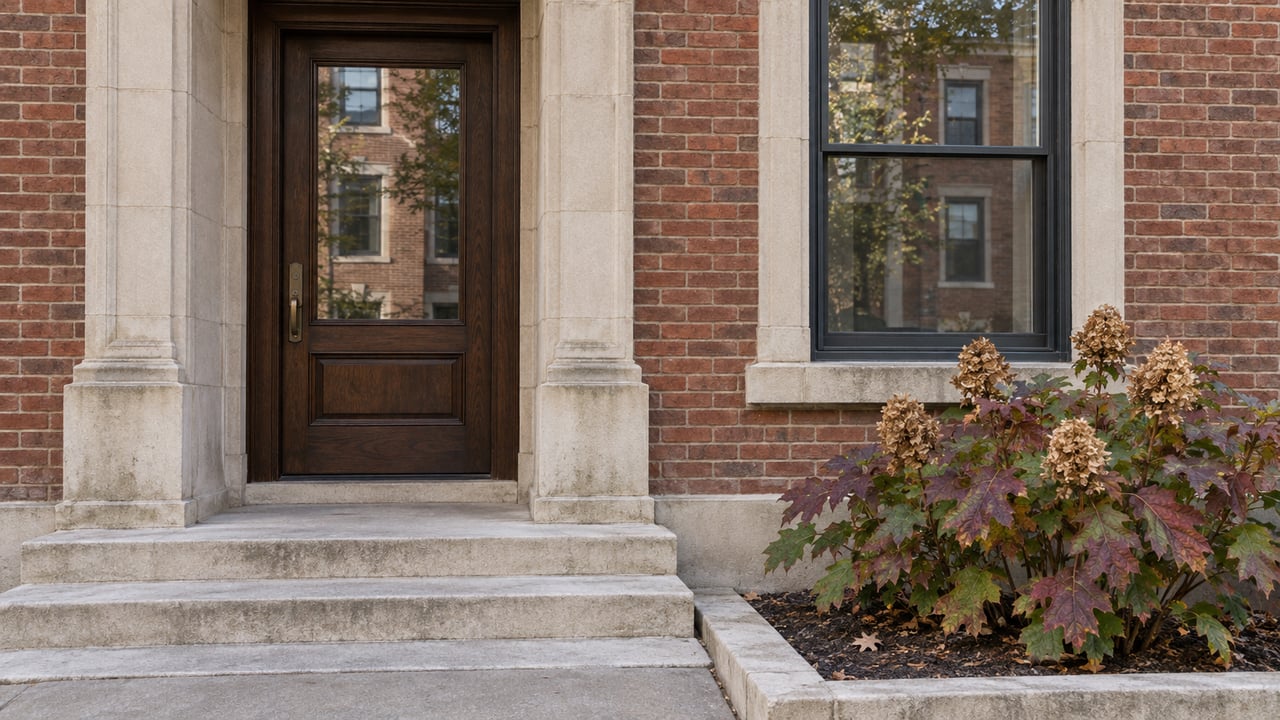
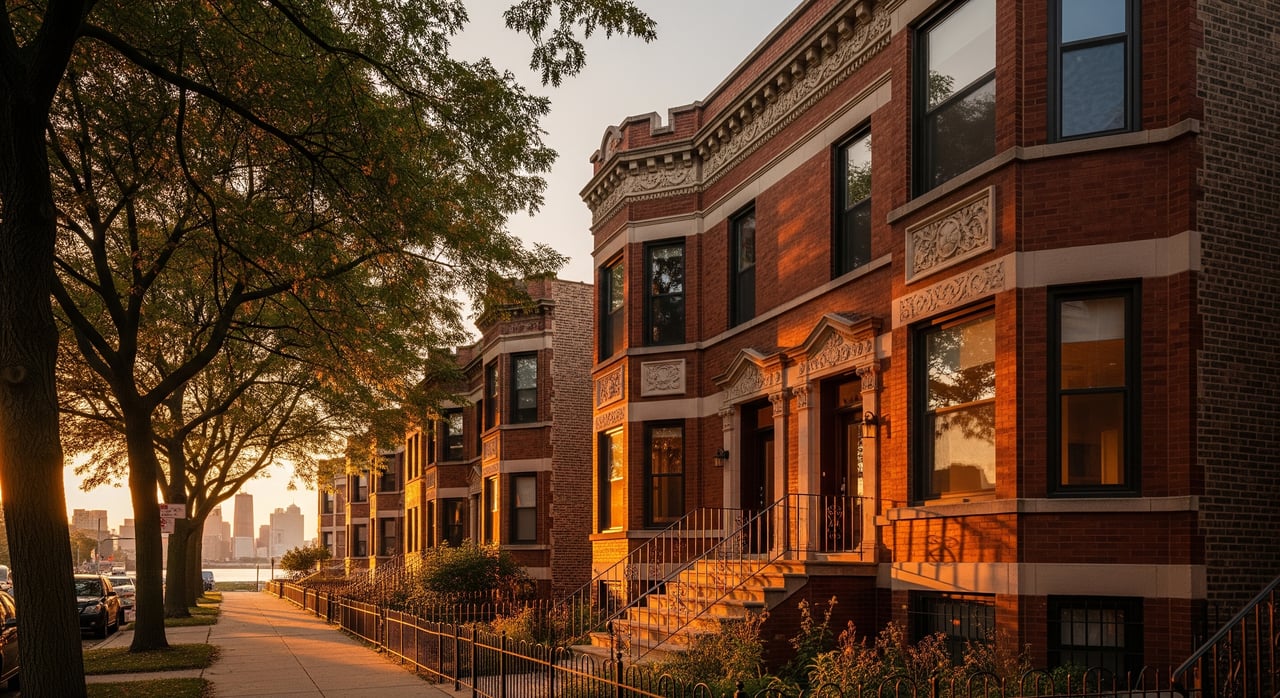
You’ll see a mix of students, young professionals, downsizers, and long-term renters. Demand is seasonal around student move-ins, yet remains steady year-round thanks to transit and relative affordability compared to central Chicago. The building stock includes many masonry 2–4 unit walk-ups from the early 1900s, which often require attention to roofs, tuckpointing, older electrical, and boiler systems.
Older buildings tend to trade at lower per-unit prices than newer construction, but you should plan for higher capital repairs. Features like in-unit laundry, updated kitchens and baths, and included utilities can significantly shift achievable rents and speed of lease-up.
Understand the rules in Chicago
Before you write an offer, confirm how the property is legally configured and what you must do as an owner-occupant landlord.
Registration, code and RLTO
Chicago requires rental properties to be properly registered and to comply with building and health codes. The Chicago Residential Landlord and Tenant Ordinance outlines local rules for notices, repairs, and security deposits. You must follow these requirements even if you live in the building.
Zoning and Certificate of Occupancy
Verify the building’s Certificate of Occupancy matches the actual unit count. Informal conversions or basement units may not be legal. Review City of Chicago zoning maps to confirm permitted uses, density, and parking, and whether any change you plan requires a variance.
Inspections and violations
Search the city’s public records for open building violations, prior permits, and inspection histories. Chicago may require inspections at certain times, such as on licensing or turnover. Build time and budget to correct any existing issues.
Pre-1978 lead and RRP
Most Rogers Park 2–4 flats were built before 1978. Federal law requires sellers and landlords to provide an EPA lead pamphlet and disclose known lead hazards. If you renovate areas with painted surfaces, EPA Renovation, Repair and Painting rules apply, and certified contractors must follow specific work practices.
Leases and eviction timelines
Chicago’s RLTO strengthens tenant protections and can lengthen timelines for collections or evictions compared to some suburbs. Plan for conservative vacancy and realistic turnover assumptions in your cash flow model.
Financing your 2–4 unit purchase
Owner-occupant buyers have several paths to finance small multifamily properties. Program rules change, so confirm current terms with lenders.
FHA 203(b)
FHA permits 1–4 unit homes with an owner-occupancy requirement. Qualified buyers have historically used lower down payments, often around 3.5 percent. Review current HUD and lender overlays on mortgage insurance, reserves, and ratios.
Conventional loans
Fannie Mae and Freddie Mac allow 2–4 unit primary residences, though minimum down payments, credit scores, and reserve requirements can be more stringent than single-family. Lenders may count a portion of projected rental income when you qualify, subject to guidelines.
Portfolio and credit unions
Local banks and credit unions sometimes offer flexible programs for small landlord borrowers. Terms can vary, so compare rates, reserves, and documentation needs.
Cash or private money
Cash purchases are common for properties that need significant rehab or when speed is critical. If you use private money, be sure your exit plan supports a refinance into a long-term product.
Underwrite the deal step by step
A simple, consistent process helps you compare properties and avoid surprises.
Collect the right inputs
- Purchase price
- Current and market rents for each unit and other income like laundry or parking
- Copies of leases and expiration dates
- Full operating expenses including taxes, insurance, owner-paid utilities, repairs, and management
- Recent capital expenditures and notes on deferred maintenance
Model income and expenses
- Gross Scheduled Rent is the sum of all unit rents at current or market levels plus other income.
- Vacancy and credit loss: use a conservative 7 to 10 percent, especially with student-driven seasonality.
- Effective Gross Income equals GSR minus vacancy.
- Operating expenses: for small residential multifamily, 30 to 50 percent of EGI is a common range. Use actuals when available.
- Net Operating Income equals EGI minus operating expenses.
Add debt and returns
- Debt service: model payment based on loan size, rate, and amortization.
- Debt Service Coverage Ratio equals NOI divided by debt service. Investment loans often target at least 1.20. Owner-occupant loans may allow different thresholds.
- Cap rate equals NOI divided by purchase price. GRM equals purchase price divided by annual GSR. Compare to recent Rogers Park sales.
- Cash-on-cash return equals (NOI minus debt service) divided by total cash invested.
Conservative assumptions
- Discount rent comps if you expect near-term turnover.
- Budget reserves at $300 to $600 per unit per year, adjusted for condition and age.
- Add first-year capital projects from the inspection into your cash needs. Roofs, boilers, electrical upgrades, and tuckpointing are common.
Rents and unit mix in Rogers Park
Unit type and features drive both demand and pricing. Match your unit mix and finishes to the local renter pool.
Build reliable rent comps
Use recent MLS data and cross-check with rental platforms. Keep comps within a quarter to a half mile and filter for similar walk-up buildings. Adjust for bedrooms, bathrooms, in-unit laundry, condition, included utilities, and parking. Note that student lease timing can inflate late-summer rents.
What drives rent here
- Studios and one bedroom units offer broad demand from students and young professionals.
- Two bedroom units attract roommates and small households and often deliver higher total rent per unit.
- Basement units typically rent at a discount and require careful review for legal status and egress.
- In-unit laundry, updated kitchens and baths, private outdoor space, and improved HVAC systems can increase rents and reduce vacancy.
Owner-occupant unit strategies
- Live in a larger or top-floor unit for privacy and rent the other units for steady income.
- Live small to rent big. Choosing a one bedroom for yourself can maximize total building income if the other units are larger.
- Focus on modest, smart renovations that move the rent needle. Kitchens, baths, and laundry upgrades often have short paybacks.
- If you have off-street parking, consider separate parking leases where demand supports it.
Due diligence and operations
Strong operations start with careful inspections and clear records.
Inspections to order
- General home inspection covering structure, roof, foundation, HVAC, plumbing, and electrical
- Multi-unit checks like utility separation, boiler capacity, porches and stairways, and common areas
- Pest inspection and environmental reviews for mold, asbestos, and lead paint
- Rent roll and lease review, plus service records and permit history
- City searches for violations, liens, and tax delinquencies
Budgeting and reserves
Older masonry buildings need periodic capital projects. Reserve for roofs, tuckpointing, boiler work, and porch repairs. Insurance requirements can hinge on electrical updates or safety improvements. Keep an emergency reserve for unplanned repairs.
Property taxes and appeals
Cook County assessments can be appealed. Understanding assessment timing can help you forecast tax changes in the first few years of ownership.
Management approach
Decide whether to self-manage or hire a local manager. Professional managers often charge 6 to 10 percent of collected rent and can help you comply with Chicago ordinances and manage turnover.
Make an offer with confidence
Use this checklist to move from interest to contract with fewer surprises.
- Confirm legal unit count and a matching Certificate of Occupancy.
- Obtain a full rent roll, current leases, and security deposit records.
- Pull recent MLS sales for 2–4 flats in Rogers Park and compare cap rates and GRMs.
- Order a full building inspection and secure trades bids for flagged repairs.
- Verify rental registration and search for open city violations.
- Run conservative underwriting with 7 to 10 percent vacancy, realistic expenses, and reserves.
- Prequalify with a lender that regularly underwrites owner-occupied 2–4 unit properties and ask about reserve requirements.
- Budget for closing costs, immediate repairs, and at least 6 to 12 months of reserves.
How we help
We guide you through each step with local insight and practical tools. We source and validate MLS rent and sale comps, flag building and code risks, and help you model realistic cash flow. If you plan light renovations or upgrades, our team supports project planning, staging, and market prep so you can attract strong tenants and protect long-term value.
Ready to explore 2–4 flats in Rogers Park or nearby North Shore neighborhoods? Reach out to Allie Payne for a focused search, lender introductions, and a clear plan from offer to keys.
FAQs
What makes Rogers Park good for house hacking?
- Transit access, proximity to Loyola University, and relative affordability support steady demand for one and two bedroom rentals in small walk-up buildings.
Which loans work for 2–4 unit owner-occupants?
- FHA 203(b), conventional loans through Fannie Mae or Freddie Mac, and some portfolio or credit union products are common, with rules that vary by lender.
How do I estimate Rogers Park rents accurately?
- Use recent MLS rentals within a short radius, match building type and features, and adjust for amenities like in-unit laundry, included utilities, and parking.
What inspections are critical for older 2–4 flats?
- Focus on roof, masonry and tuckpointing, porches, boilers and HVAC, electrical capacity, plumbing, and any environmental risks in pre-1978 buildings.
What should I include in my underwriting?
- Model gross rent, vacancy, operating expenses, NOI, debt service, DSCR, cap rate, GRM, cash-on-cash return, and a capital reserve plan aligned to building condition.