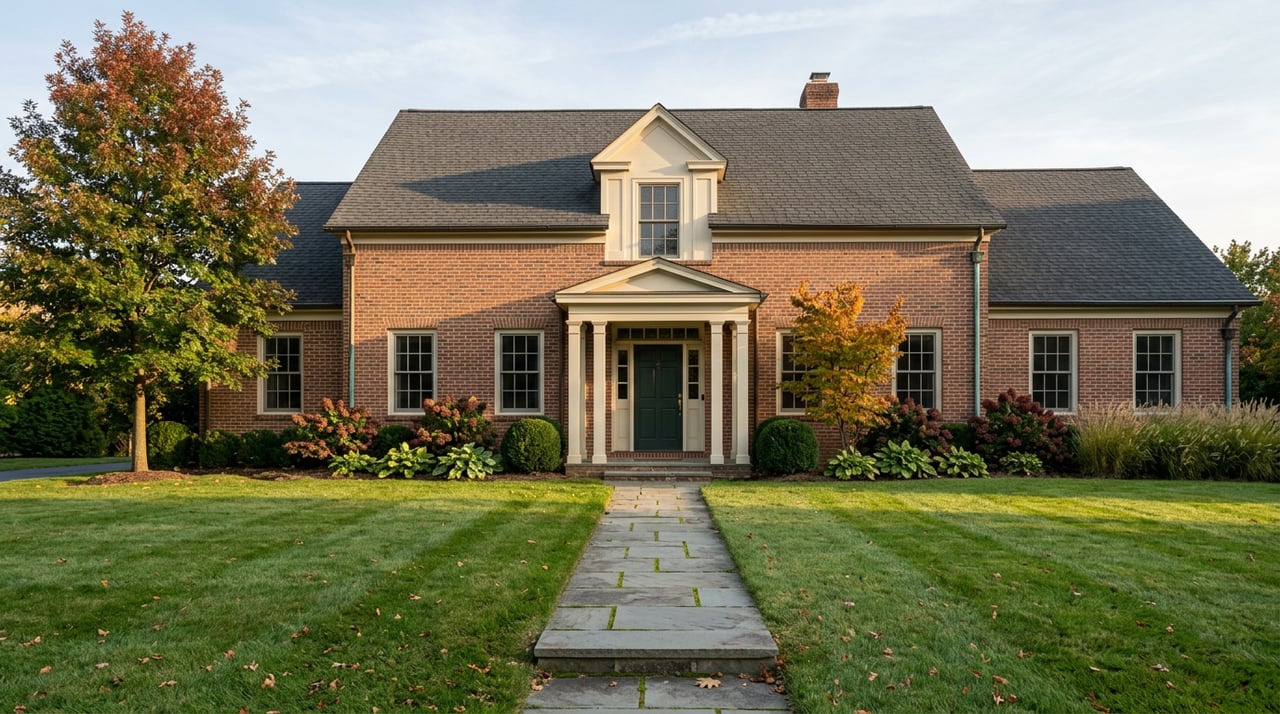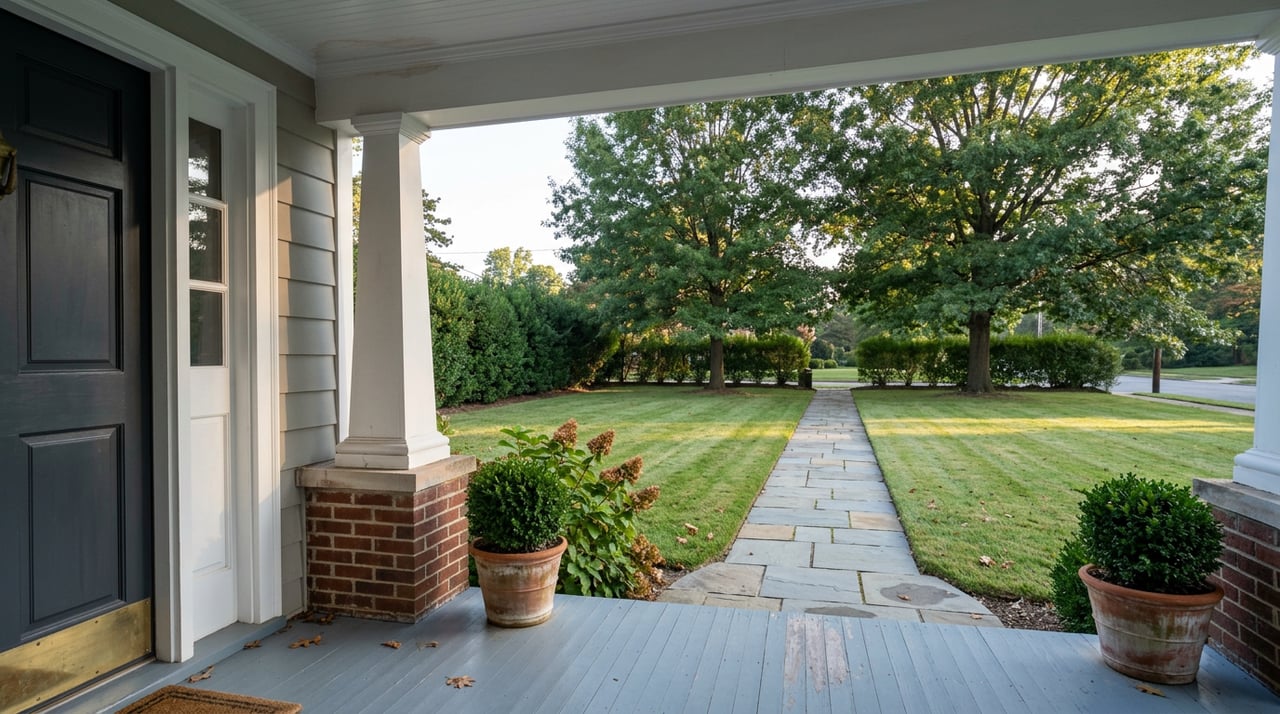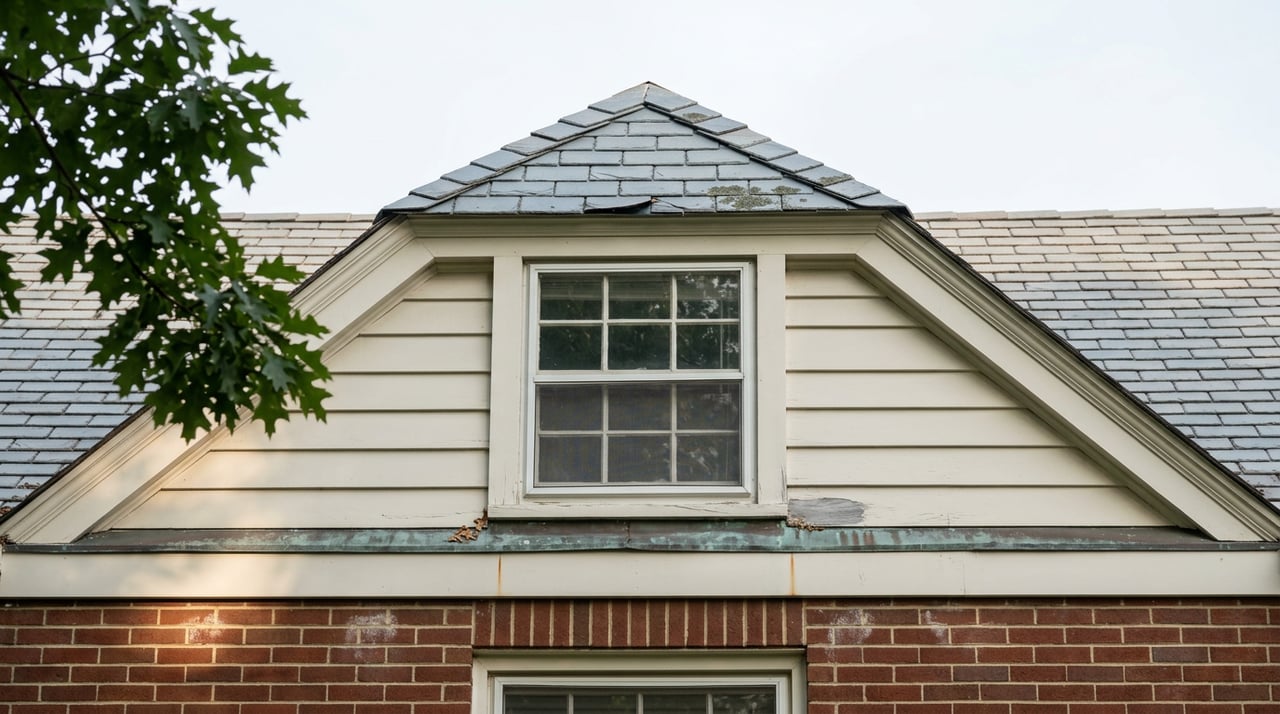
A seller in the Ridge Historic District calls a contractor about two peeling porch columns and a pair of street-facing windows before listing photos go up. The contractor quotes a week, maybe less. Then the seller finds out the job needs something called a Certificate of Appropriateness before a permit will be issued at all, and the next Preservation Commission meeting is five weeks away.
This catches people off guard because the assumption about historic districts is almost always about outcome: will they let me do this, or won't they. That's the wrong question in Evanston. The commission approves nearly every project that comes before it. The real variable is timing, and timing is exactly the kind of detail that doesn't show up until you're already trying to hit a listing date or close on a purchase.
Which Slice of Evanston This Actually Touches
Evanston has five historic districts, and they aren't a rounding error on the map. The Northeast Evanston Historic District covers 546 primary buildings across roughly 12 blocks, with lot sizes ranging from 4,000 to 35,000 square feet and architecture running from Colonial Revival through Craftsman and Tudor Revival. The Lakeshore Historic District includes 201 individually designated local landmarks along with flats, apartment buildings, and townhouse complexes, plus Patriots Park, Raymond Park, and the Kelly and Snyder Tot Lots inside its boundary. The Ridge and Oakton districts round out the geographically defined group, and a citywide Apartment Thematic Resources district protects a specific category of historic multi-unit buildings no matter where in Evanston they sit. A separate local landmark district covers the Women's Christian Temperance Union campus on Chicago Avenue.
If a property sits inside any of these, any exterior change that's visible from the street, alley, or sidewalk and requires a building permit needs a Certificate of Appropriateness first. That includes window replacement, additions, new construction, demolition, and relocation. It applies to single-family homes, and it applies to the flats and apartment buildings named in the district surveys, which matters for anyone buying or selling multi-family property in these boundaries.
The Approval Rate Isn't the Risk. The Meeting Date Is.
Here's the number that should change how you plan, not how you worry: more than 98 percent of Certificate of Appropriateness applications get approved. Denial is rare. The Preservation Commission's own FAQ confirms that most projects move through cleanly, sometimes with suggested changes rather than outright rejection.
What actually creates delay is the calendar. The commission meets once a month, on the second Tuesday, and a complete application has to be submitted no less than 15 business days before that meeting. Miss the deadline by even a day and the project waits a full cycle. If the scope also triggers a zoning variance, a planned development, or a special use, the city's zoning staff needs its own 15 business days to complete a zoning analysis before the Certificate of Appropriateness application can even be considered complete. Stack those two clocks and a project that looks like a two-week job on paper can easily add six to eight weeks before a permit is issued, not because anyone objects, but because two separate 15-day reviews have to happen in sequence.
For a seller trying to finish exterior work before spring photos, or a buyer who assumed they could start window replacement the week after closing, that gap is the entire difference between hitting a market window and missing one. In May 2024, the commission consolidated what used to be three separate applications (major work, minor work, and window replacement) into a single unified form, which simplified the paperwork itself. It didn't change the meeting cadence.
What the Commission Doesn't Touch
Not everything on a historic property needs this review, and knowing the boundary saves time. According to the Preservation League of Evanston's own guidance for homeowners, paint color, storm doors, and roof repairs typically don't require Commission approval. Interior renovations, kitchen and bath work, and anything not visible from the public way generally fall outside the process entirely.
That distinction matters for anyone doing a presale refresh. A kitchen update, new interior paint, refinished floors, or updated lighting can move on a normal contractor timeline. It's specifically the street-facing envelope, windows, siding, additions, new construction, that needs the extra runway. Knowing which category a project falls into before signing a contractor is the difference between a plan that survives contact with a listing deadline and one that doesn't.
Not Every Contractor Will Take the Job
One detail that surfaces repeatedly in local commentary: some window and siding companies simply decline to work in Evanston's historic districts because they don't want to engage with the Preservation Commission's review requirements. A resident writing about a window repair in a historic home described two companies that refused to even send someone out once they learned the property was in a preservation district.
That's a practical reason to ask a contractor directly, before signing anything, whether they've completed Preservation Commission work in Evanston before. A contractor who hasn't may not price the job correctly, may not know what documentation the application needs, and may not be willing to work through the additional lead time at all.
The Upside Most Owners Never Ask About
The preservation framework isn't only a set of restrictions. Owners of designated landmarks or properties in historic districts who complete a qualifying rehabilitation can apply for a property tax assessment freeze, which holds the assessed value in place for eight years, with the new, higher value phased in gradually over the following four years. There's also a federal facade easement program that allows an owner to take a charitable deduction in exchange for placing a permanent protection on the exterior, and federal preservation tax credits are available to owners of income-producing historic properties, including some condo and apartment buildings.
For a seller weighing whether a full exterior renovation is worth the cost and the added timeline, these programs change the math. They're worth a conversation before assuming a certificate of appropriateness process is only friction.
What Envision Evanston Changes, and What It Doesn't
Evanston's Envision Evanston 2045 rezoning proposal, which would eliminate zoning districts that exclusively allow single-family homes and permit two-to-four-unit buildings in areas currently limited to single-family and two-family homes, drew pointed questions from residents in the historic districts as it worked through public review in late 2024 and early 2025. The concern centered on how a citywide zoning rewrite would interact with preservation protections, particularly along corridors like Chicago Avenue that sit next to the Lakeshore district boundary.
The city's Preservation Planner, Cade Sterling, addressed this directly at a joint ward meeting in February 2025, telling residents that the preservation ordinance isn't going anywhere regardless of how the zoning rewrite lands. As Sterling put it, "the preservation ordinance is still going to exist, there's no plans to change that," and ultimately, zoning yields to the preservation ordinance where the two overlap. That's the detail worth carrying forward: whatever the final shape of citywide zoning turns out to be, the Certificate of Appropriateness process, the monthly meeting schedule, and the exterior review requirements are the framework that governs designated properties.
A Few Questions We Get From Historic District Owners
Does every renovation on an old Evanston house need a Certificate of Appropriateness? No. The requirement applies only to properties that are individually landmarked or sit within one of the five historic districts, and only to exterior work visible from the public way that also requires a building permit. Interior work, paint color, storm doors, and routine roof repairs generally fall outside the process.
How do I find out if a specific address is covered? The city's About My Place web application lets you enter an address and check the Local Historic District and Historic Landmark tabs under Property Quick Info. This is the fastest way to confirm status before making renovation plans or an offer.
Does this apply to condos and multi-family buildings, not just single-family homes? Yes. The Lakeshore district's own survey documents seventeen apartment buildings and two townhouse complexes within its boundary, and the citywide Apartment Thematic Resources district specifically protects a defined category of historic multi-unit buildings regardless of location. Anyone buying or selling a two-flat, courtyard building, or vintage apartment property in these areas should check status the same way a single-family buyer would.
If you're weighing an exterior renovation before listing a historic Evanston property, or you're under contract on one and want to understand what the timeline actually looks like, Allie + Julie can walk through the Certificate of Appropriateness process alongside a presale plan built around Compass Concierge and our 3-Phase marketing approach, sequenced so the paperwork and the photography timeline actually line up. Request a free home valuation to start that conversation.