If you are thinking about buying a condo in Rogers Park and renting it out, the biggest question is not just "Will it rent?" It is also "Can this specific building support your plan?" In a neighborhood with strong rental demand, older multifamily housing, and a wide range of condo associations, the details matter. This guide will help you understand what to verify before you buy so you can make a more confident decision. Let’s dive in.
Why Rogers Park attracts renters
Rogers Park is one of Chicago’s more renter-oriented neighborhoods. According to CMAP neighborhood data for Rogers Park, 73.2% of occupied households are renter-occupied, and the area has a high share of one-person households. That gives buyers important context: this is a neighborhood where renting is already a major part of the housing mix.
The local household profile also helps explain the kind of rental demand you may see. CMAP reports that 47.6% of occupied households are one-person households, and 29.4% of residents are between ages 20 and 34. For a condo buyer, that points to demand that may be shaped by singles, couples, and smaller households looking for practical, well-located housing.
Housing stock shapes your options
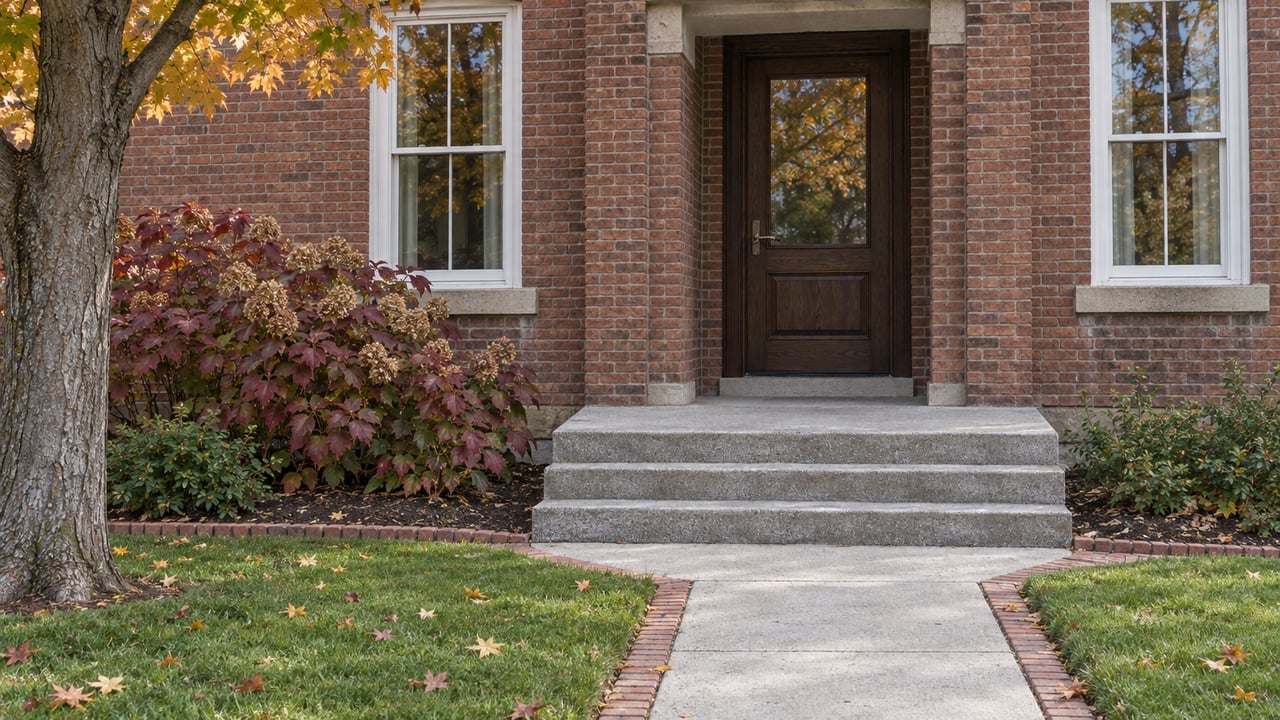
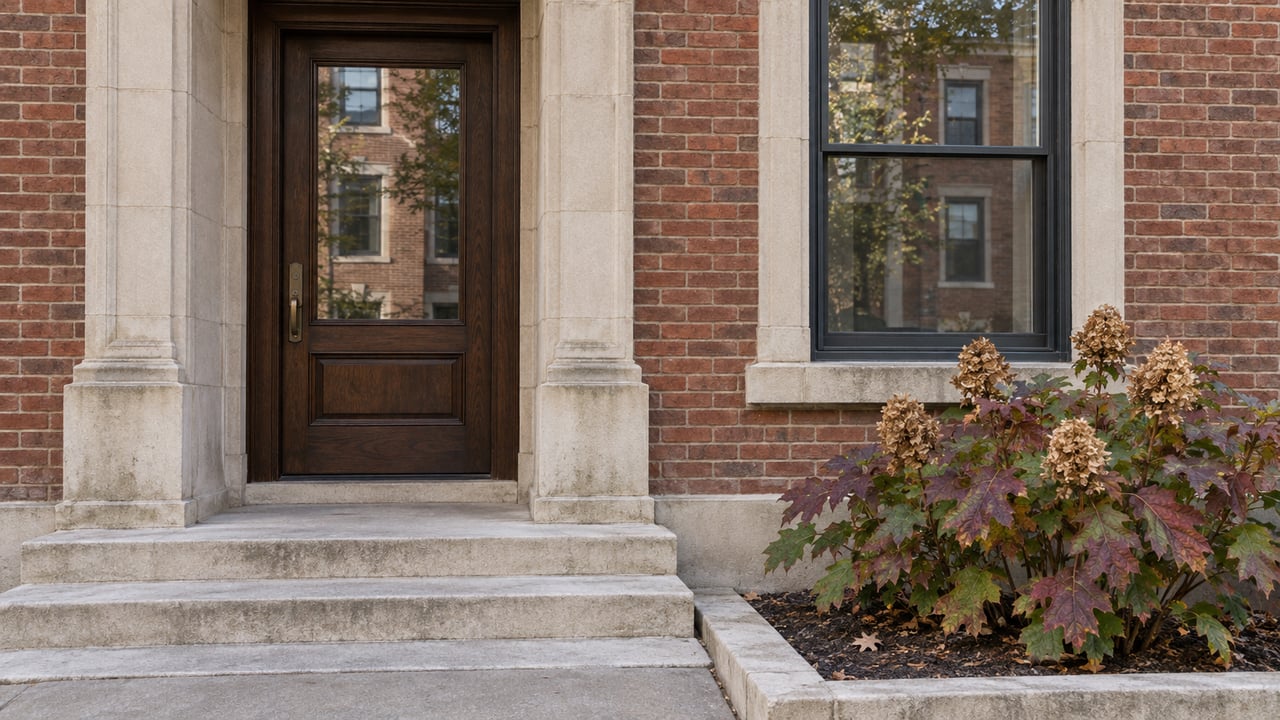
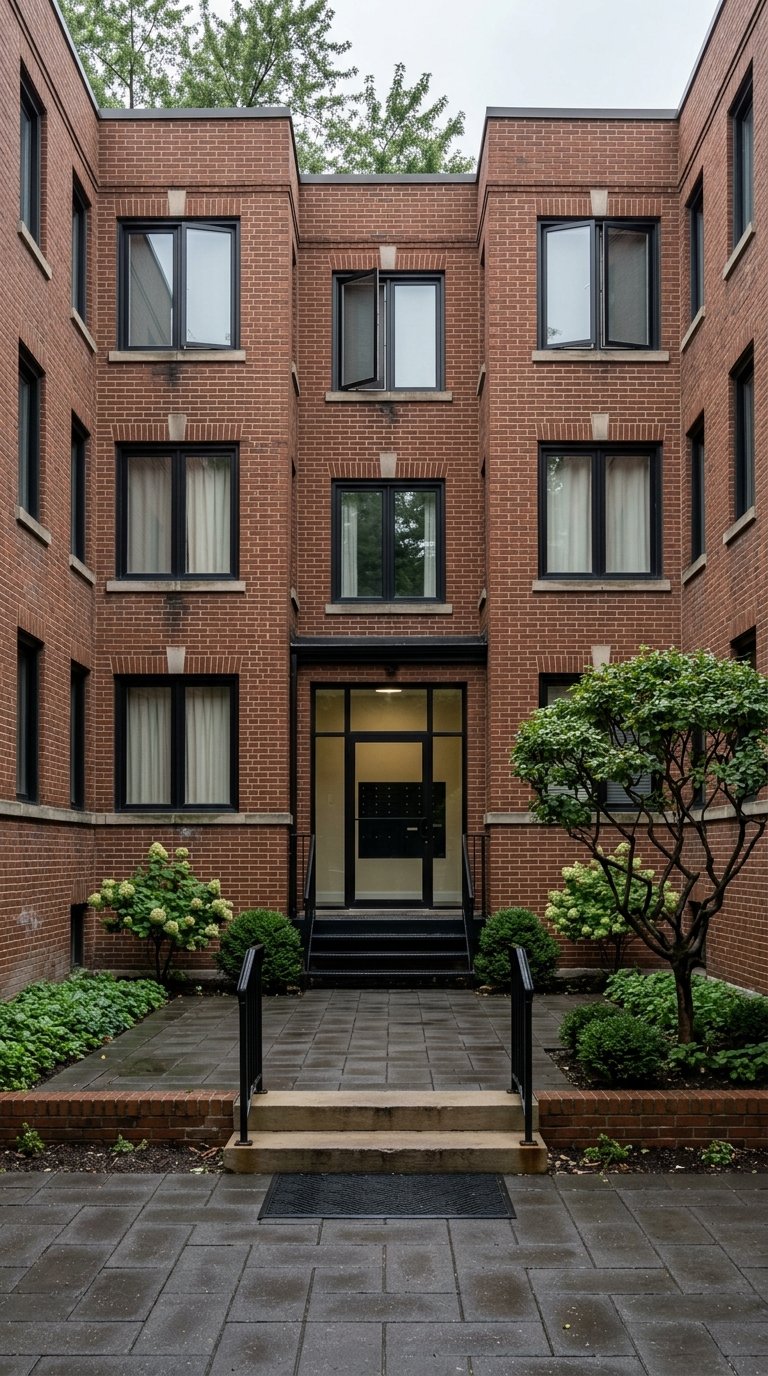
A Rogers Park condo search often looks different from a search in areas dominated by newer construction or detached homes. Based on CMAP housing profile data, 64.0% of units are in 5 to 49 unit structures, and 14.1% are in buildings with 50 or more units. Nearly half of units were built in 1939 or earlier, with a median year built of 1944.
That does not mean every building has the same condition or financial profile. It does mean many condo opportunities are likely to be in vintage multifamily buildings or older conversion properties, where association reserves, maintenance planning, and building systems deserve close review.
Entry price and rent need context
On paper, Rogers Park can look accessible to buyers comparing Chicago neighborhoods. The Cook County Assessor’s 2024 Rogers Park Township residential report estimated a median condo sales price of $182,000. Meanwhile, CMAP reports a 2023 median gross rent of $1,277 in Rogers Park, below both the Chicago and regional medians.
Those figures are useful starting points, but they are not enough to underwrite a rental purchase. In condos, monthly dues, tax burden, insurance, reserve needs, and leasing rules can have a bigger impact on your bottom line than the purchase price alone.
What supports long-term rental demand
Loyola adds steady demand
One of the clearest long-term demand drivers in Rogers Park is Loyola University Chicago’s Lake Shore Campus. Loyola says the campus sits in the heart of Rogers Park, directly across from the CTA Red Line’s Loyola station, and serves more than 8,000 students and over 2,000 faculty and staff.
For buyers, that matters because it points to an ongoing pool of renters connected to the university. It is not a guarantee for any one unit, but it is a meaningful part of the neighborhood’s rental story.
Transit broadens renter appeal
Transit access is another major factor. The CTA’s Loyola station information confirms direct Red Line service, and Rogers Park also has access to Metra’s Union Pacific North line at Rogers Park station, as noted in the research.
If you are comparing condos, proximity to transit may influence both tenant interest and future resale appeal. In a neighborhood like Rogers Park, some renters may prioritize easy commuting options more than dedicated parking.
Lakefront amenities help retention
Rogers Park also benefits from lakefront access and public open space. The Chicago Park District’s Rogers Park beach and lakefront resources highlight amenities such as Loyola Beach Dunes, Tobey Prinz Beach Park, and North Shore Beach Park.
These amenities can support the neighborhood’s overall appeal to renters who value access to the lakefront and outdoor recreation. They are not a substitute for building-level analysis, but they do add to the location story.
Condo rules matter before cash flow
If you remember one thing from this article, make it this: rentability is first a legal and association issue, then a financial one.
In Illinois, condo leasing is not governed only by your lease. The Illinois Condominium Property Act says the declaration, bylaws, condominium instruments, and rules that relate to unit or common-element use apply to tenants as well. The statute also requires the owner to deliver a copy of the signed lease to the board within the required timeframe, and associations may enforce those rules against both the owner and tenant.
That means you should not assume a condo is rentable simply because a seller or listing suggests it is. You need to confirm exactly what the association documents allow.
Key questions to ask the association
Before you buy, review the declaration, bylaws, rules, and recent association materials carefully. These are some of the most important questions to answer:
- Does the declaration allow long-term rentals?
- Is there a rental cap?
- Is there an owner-occupancy requirement?
- Is there a waiting period before you can lease the unit?
- What lease terms are required or prohibited?
- Are there move-in, move-out, or tenant registration fees?
- Are there pending rule changes that could affect leasing?
A condo can look attractive on price and still be a poor rental fit if the rules are restrictive. In our experience, this is where careful due diligence can save buyers from expensive surprises.
Review the HOA budget closely
Association finances are a major part of condo underwriting, especially in older buildings. Under the Illinois Condominium Property Act, boards must provide an annual budget showing portions intended for reserves, capital expenditures or repairs, and payment of real estate taxes.
That matters because HOA dues are part of your true monthly carrying cost. Just as important, the budget can give you a better sense of whether the building appears to be planning for long-term repairs or may be vulnerable to future special assessments.
In a neighborhood where many buildings are older, reserve strength and capital planning deserve extra attention. The age profile alone does not mean a building has issues, but it does make it smart to ask more questions about roofs, masonry, plumbing, electrical work, elevators if applicable, and other major systems.
Financing may depend on the project
A common mistake is focusing only on whether you qualify for a mortgage. With condos, the project itself can affect financing.
Fannie Mae’s project standards explain that condo eligibility depends on recorded documents and other project-level standards. Projects may be treated as ineligible if they operate like hotels or motels, require daily or short-term rental features, or involve rental pooling.
For a Rogers Park buyer, the takeaway is simple: even if a unit seems rentable in theory, the building still needs to be lender-friendly for many common loan products. That is one more reason to investigate the association early, not after you have already fallen in love with the unit.
Don’t forget Chicago landlord rules
Once you confirm the condo rules, you still need to understand the city framework for landlords and tenants. The Chicago City Clerk’s guides page includes the Chicago Landlord & Tenant Guide, and the research also points to Chapter 5-12 of the municipal code covering residential landlords and tenants.
For buyers, the practical point is straightforward. A rental condo in Chicago sits within both the condo association’s rules and the city’s landlord-tenant rules, so both should be part of your review before you buy.
A simple underwriting framework
When you evaluate a Rogers Park condo as a rental, start with a basic monthly and annual cost picture. A simple framework includes:
- Purchase price
- Closing costs
- HOA dues
- Property taxes
- Insurance
- Repairs and reserves
- Vacancy
- Realistic monthly rent
This keeps you focused on the full cost of ownership, not just the mortgage payment. In many condo scenarios, dues and building financial health can influence returns as much as rent levels do.
What buyers should watch most
If you are comparing a few possible condo purchases, these issues often deserve the closest attention:
- Leasing restrictions: Confirm whether renting is allowed now, not just in the past.
- Rental caps: A building may permit rentals but still limit how many units can be leased at one time.
- Special assessments: Ask whether major repairs or capital projects are planned.
- Reserve funding: Review whether the budget appears to set aside funds for future work.
- Building age: Older buildings may require more maintenance planning.
- Financing compatibility: Make sure the project can work with your intended loan product.
- Transit and location: Consider how the specific location supports renter demand.
None of these factors should be judged in isolation. The best rental purchase is usually the one where building rules, financials, financing, and location all work together.
Final thoughts for Rogers Park buyers
Rogers Park offers real rental-market advantages, including a renter-heavy population, transit access, a major university presence, and lakefront amenities. It can also offer a relatively approachable entry point based on neighborhood-level pricing data. But with condos, the building can matter just as much as the neighborhood.
If you are considering a Rogers Park condo as a rental, slow down and verify the details. Review the association documents, budget, reserve picture, leasing rules, and financing fit before you decide whether the numbers truly work. If you want a thoughtful second opinion as you compare options in Rogers Park, Evanston, or nearby North Shore and Chicago neighborhoods, connect with Allie Payne.
FAQs
Can you rent out a condo in Rogers Park, Chicago?
- Yes, some Rogers Park condos can be rented out, but you need to verify the specific building’s declaration, bylaws, rules, rental caps, and any waiting periods before assuming leasing is allowed.
What makes Rogers Park a potential rental market for condo buyers?
- Rogers Park has a high share of renter-occupied households, access to the CTA Red Line and Metra, proximity to Loyola University Chicago, and lakefront amenities that support broad long-term rental interest.
What association documents should condo buyers review before renting in Rogers Park?
- You should review the condo declaration, bylaws, rules and regulations, annual budget, and any recent notices or board materials that may affect leasing, reserves, or planned capital work.
How do HOA dues affect a Rogers Park condo rental purchase?
- HOA dues are part of your monthly carrying cost, and the association budget can also help you understand reserve funding, repair planning, and the potential risk of future special assessments.
Do Chicago landlord-tenant rules apply to a Rogers Park condo rental?
- Yes, after confirming the condo association allows leasing, you should also review the City of Chicago’s landlord-tenant framework because city rules still apply to residential rentals.
Can financing be harder for a rentable condo in Rogers Park?
- Yes, condo financing can depend on the project as well as the unit, so a building’s structure, documents, and eligibility standards may affect which mortgage products are available.