Thinking about updating a Wilmette Tudor, Colonial, or Craftsman without losing its charm? You are not alone. Buyers on the North Shore love original character, but they also expect modern comfort and reliable systems. In this guide, you will learn which updates matter most, how to plan them in a preservation-minded way, and what to know about Wilmette permits and inspections. Let’s dive in.
What Wilmette buyers value
Character meets comfort
Most buyers want historic details they can see and feel, paired with worry-free living. Original trim, fireplaces, built-ins, plaster walls, and leaded or divided-light windows are a draw. At the same time, buyers expect updated mechanicals, efficient heating and cooling, and move-in ready kitchens and baths.
Lifestyle drivers
Location and daily convenience shape value. Proximity to Metra, beaches and parks, and neighborhood shopping is a plus. Many buyers also consider nearby schools, walkability, and mature landscaping when comparing homes.
Architectural styles to know
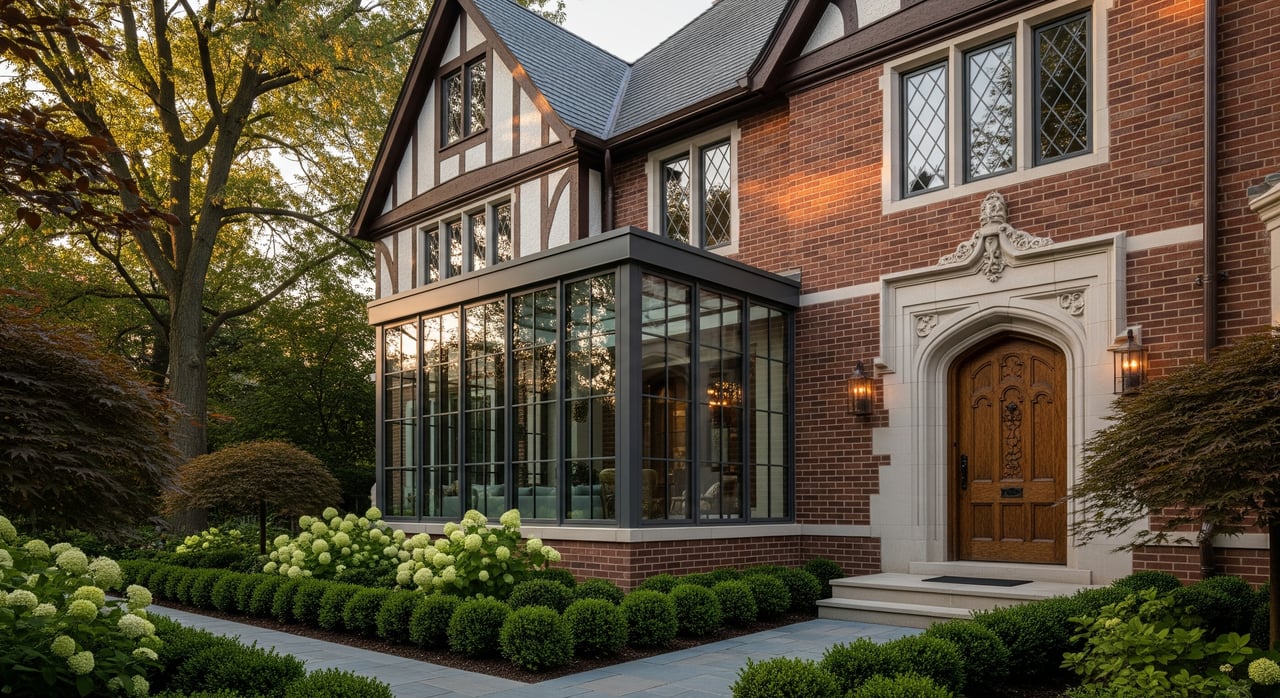
Wilmette has a rich mix of early to mid-20th century homes, including Tudor Revival, Colonial Revival, Craftsman and Bungalow, American Foursquare, and Prairie-influenced designs. Many properties built between 1900 and 1940 still feature original millwork, hardwood floors, and signature windows. Preserving these details while improving function is the sweet spot.
High-impact updates that protect value
Mechanical systems and utilities
Buyers place a high value on safe, reliable systems. Upgrading electrical service to modern panels with grounded circuits, adding GFCI and AFCI protection where required, and replacing old knob-and-tube wiring helps with financing and insurance. Plumbing improvements like replacing galvanized lines and aging cast-iron drains with modern materials reduce risk and improve water quality.
Heating and cooling should support comfort across seasons. Efficient furnaces or boilers, central air where feasible, and zoned systems or mini-splits in hard-to-duct homes are attractive. Add insulation and air sealing in the attic and at the basement rim joists to improve comfort and reduce energy costs. These changes are usually behind the walls, so they protect historic appearance while boosting performance.
Windows and doors
Original windows are a hallmark of Wilmette homes. Buyers respond to their look, but they also care about drafts and comfort. Repair and weatherize existing wood sashes with new glazing and weatherstripping, and consider interior or exterior storm windows. This approach often performs well and preserves historic profiles.
If replacement is necessary, choose high-quality wood units that match original muntin patterns and profiles. Avoid replacements that change the proportions or remove divided lights. Documenting repair or high-quality replication can help buyers understand the work and the value.
Kitchens that fit the house
A functional kitchen is a top priority. Focus on a sensible work triangle, ample storage, durable countertops, and good lighting. An island or expanded prep area can help, and a nearby pantry or mudroom is a plus for daily flow.
Keep visible historic elements where possible. If you have original built-ins, trim, or a breakfast nook, preserve or thoughtfully integrate them. In many Wilmette homes, painted inset cabinetry, beadboard, and period-appropriate hardware read as authentic while meeting modern needs. Avoid removing significant walls or stairs that define the home’s character.
Bathrooms that work today
Buyers want updated bathrooms that function well. Priorities include modern fixtures, reliable ventilation, and bright, durable surfaces. If you have original tile or period details in good condition, consider keeping select elements as a nod to the home’s era. Adding a main-floor powder room or improving layout efficiency can be a high-value change.
Basements and attics done right
Additional finished space is appealing if the work is sound. In basements, moisture control is essential, along with proper egress, heating, and electrical. Sump systems should operate correctly and be well maintained. In attics, focus on insulation, ventilation, and code-compliant conversions that do not alter the exterior form.
Exterior and curb appeal
Buyers expect a solid roof, safe porches, and maintained siding and trim. Restoring porches, columns, and railings keeps the facade authentic. Original wood clapboard or shingles are preferred where feasible, and any replacements should match historic profiles. Driveway condition, garages or coach houses, and plantings matter. Mature trees and tidy, well-scaled landscaping elevate first impressions.
Permits and preservation in Wilmette
When projects need approval
Expect permits for structural changes, new mechanical installations, panel upgrades, plumbing replacements, additions, many window replacements, roofing, decks and porches, and basement finishes. Licensed subcontractors and inspections are often required. Zoning reviews may apply for changes to setbacks, height, lot coverage, or parking.
Historic review and Certificates of Appropriateness
If your property is locally designated or within a local historic district, exterior changes visible from the street typically require historic review and approval. You may need to submit drawings, photos, and material samples to show compatibility. Allow extra time, since reviews can add several weeks to your schedule. Contact the Village early to clarify what applies to your address and scope.
Safety and environmental rules
Homes built before 1978 may contain lead-based paint. Renovation work that disturbs paint should follow lead-safe practices. Older homes can also include asbestos in insulation, flooring, or mastics, which may need special handling. Test for radon, especially if you plan to finish a basement, and use qualified installers for any mitigation.
Timelines and planning tips
Standard interior permits can issue within days to weeks, depending on scope and completeness of plans. Projects that require historic review can take longer. Build in extra time for submittals, comments, and potential revisions. For exterior work, bring material samples and clear photos that show how your choices match the home’s style.
Inspections and risk management
Must-have pre-listing checks
A thorough home inspection is step one. Add an electrical evaluation to identify outdated panels or older wiring, and have HVAC equipment tested for age and performance. A plumbing inspection and sewer scope can reveal cast-iron issues or root intrusion. Consider chimney, pest, and radon inspections, and plan for lead or asbestos surveys if you intend to remodel.
Common issues to expect
Older Wilmette homes often show wear at windows and exterior trim, porch elements, and roof coverings. Electrical panels may be undersized or outdated. Cast-iron drains can fail, chimneys can crack, and insulation may be insufficient. Flagging these items early helps you build a smart scope and budget.
Budget priorities that pay back
Start with safety and financing hurdles: electrical service, major plumbing or sewer issues, structural needs, roof leaks, and heat reliability. Next, target comfort and marketability that buyers notice: HVAC and AC, insulation and air sealing, kitchen and bath improvements, and window repair with storms. Then refine cosmetics that support curb appeal and presentation.
Documentation buyers appreciate
Keep permits, receipts, warranties, and contractor contacts for all work. Organized documentation increases buyer confidence and can smooth appraisal and underwriting. Undocumented DIY work can slow a deal or reduce perceived value.
Smart seller prep checklist
- Address safety and system items first, including electric, heat, plumbing, roof, and water management.
- Preserve visible historic features like trim, built-ins, staircases, and fireplaces.
- Repair original windows and add storms when feasible. Choose high-quality replication only where needed.
- Tackle targeted kitchen and bath updates that improve daily function without erasing character.
- Complete required permits and, if applicable, historic review. Assemble documentation for buyers.
- Consider a pre-listing inspection to identify and resolve deal-breakers before launch.
For buyers planning updates
- Start with inspections that focus on structure, mechanicals, moisture, and environmental risks.
- Contact the Village Building Department and Historic Preservation staff early if you plan exterior changes or additions.
- Prioritize behind-the-walls upgrades for comfort and reliability, then address visible finishes.
- For windows, weigh repair and storms against replication, and document your approach.
- Hire contractors experienced with historic homes and local review processes, and verify licenses and insurance.
Incentives and tax credits
Historic tax credits usually apply to income-producing properties. Owner-occupied single-family homes rarely qualify for federal rehabilitation tax credits. Check with local and state offices for current programs, and consult a tax professional before assuming eligibility.
How we help Wilmette clients
Preparing a historic home is equal parts preservation and presentation. We help you identify the right scope, sequence the work, and use targeted improvements that resonate with North Shore buyers. Our team can coordinate staging and market prep, and we can leverage pay-later solutions through Compass Concierge for approved updates.
When it is time to sell, we use a structured 3-Phase launch with professional photography and virtual tours to spotlight what makes your home special. You will work directly with our principal team, so communication stays clear and decisions stay timely.
Ready to align updates with buyer expectations and protect your value? Reach out to Allie Payne to start a tailored plan for your Wilmette home.
FAQs
Do original windows hurt energy efficiency in Wilmette homes?
- Not necessarily. Repaired wood windows with good weatherstripping and storm windows, paired with attic insulation and air sealing, often provide comfortable performance.
Do I need historic review to change siding or windows in Wilmette?
- If your home is locally designated or in a local historic district, exterior changes visible from the street typically need historic review. Many projects also require building permits.
Which inspections should I order for an older Wilmette house?
- In addition to a general inspection, add electrical, HVAC, plumbing and sewer scope, chimney, pest, and radon tests. Consider lead and asbestos surveys if you plan renovations.
Where should I spend renovation dollars for resale?
- Prioritize safety and systems first, then comfort and marketability. Focus on HVAC, insulation and air sealing, kitchen and bath function, and preservation of visible historic features.
Do tax credits apply to owner-occupied historic homes in Illinois?
- Federal and many state historic tax credits usually apply to income-producing properties, not single-family owner-occupied homes. Verify current programs with qualified professionals.