Should you keep the charm of an older Winnetka home or start fresh with a new build? If you’re weighing a purchase that needs work, this is likely your biggest decision. We get how personal and high-stakes it feels, especially in a village known for character, mature trees, and strong neighborhood expectations. In this guide, you’ll get a clear, local-first framework to compare renovation and teardown paths, understand village rules, plan budgets and timelines, and protect future resale. Let’s dive in.
Start with a decision framework
The key questions to answer early
- Is the structure fundamentally sound, including foundation, framing, roof, and major systems?
- Does the lot and zoning support the size and layout you want without major variances?
- Is there any historic designation or review that limits demolition or exterior changes?
- How will a larger or new home fit neighborhood scale and character on your block?
- What is your timeline and tolerance for disruption and carrying costs during construction?
- Which financing options fit your plan: rehab loan, construction-perm, or cash?
A 5-step path to your decision
1) Inspect before you commit
Order a conditional inspection with a structural engineer, a contractor’s rough estimate, and a hazardous-materials survey. Homes built before 1978 require lead-safe practices if you disturb paint, and older homes may have asbestos in finishes. If a foundation is failing or framing shows advanced rot, renovation costs can climb quickly.
2) Verify zoning and historic status
Confirm the property’s zoning district, setbacks, lot coverage limits, height, and any floor-area controls with the Village of Winnetka. Ask about any preservation overlays or demolition delays. Check for easements that reduce the buildable area.
3) Build three budgets
Create side-by-side budgets for “repair/patch,” “major renovation or gut,” and “teardown + new build.” Include soft costs like architecture, engineering, permits, and plan revisions, which often run 10 to 20 percent or more. Add carrying costs such as loan interest, insurance, and taxes during construction.
4) Line up financing
Match your path to financing that fits your timeline and occupancy plans. Renovation loans like FHA 203(k) and Fannie Mae Homestyle can finance purchase plus improvements for owner-occupants. New construction typically needs a construction or construction-permanent loan with detailed plans and draws.
5) Choose the best fit
Weigh non-financial factors too, including architectural value, green goals, and neighbor considerations. If renovation costs approach new-build pricing due to structural fixes and abatement, a teardown may be the cleaner path. Select the option that delivers your program at an acceptable net cost and resale risk.
What Winnetka lots allow
Zoning, setbacks, and lot coverage
Winnetka’s single-family neighborhoods often feature consistent scale and deep setbacks. Confirm the allowed envelope for your lot, including front, side, and rear setbacks, height, and any floor-area controls. Variances are sometimes possible but can add time and uncertainty.
Historic preservation and demolition review
Some properties are landmarked or sit within preservation districts. Even non-designated homes with architectural significance can draw attention. If demolition is reviewed or delayed, plan for an extended timeline and additional approvals.
Trees, stormwater, and site logistics
Mature trees are a signature feature and may be protected by village ordinance. Removal can require permits and mitigation. For major rebuilds, stormwater rules can limit new impervious area or require engineered drainage, which raises site costs.
Utilities and sewer
Most of Winnetka is on municipal water and sewer. Confirm capacity, connection details, and any fees early. If you encounter unusual site conditions or older private utilities, expect stricter replacement requirements.
Renovate vs teardown: scope, cost, and time
Typical project scopes
- Cosmetic or systems refresh: finishes, kitchens/baths, and mechanical updates; limited structure work.
- Major renovation or gut: reconfigure layout, upgrade systems, and potential structural changes.
- Addition: expand the footprint or add a second story; can trigger design scrutiny.
- Teardown/new build: full demolition, new foundation, and complete systems.
When structure tips the scale
Extensive foundation failure, pervasive rot, or significant water damage can push renovation costs near new-construction levels. When stabilization plus code upgrades rival the price of starting over, a teardown becomes more practical. Always compare the total program, not just line items.
Hazardous materials to plan for
A pre-demolition asbestos survey is typically required for demolition and large-scale work. Homes built before 1978 must follow lead-safe rules when paint is disturbed. Mold or old fuel tanks can add cost and delay, so factor abatement into early budgets.
Timeline expectations
- Small renovations: about 2 to 6 months.
- Major gut or large additions: about 6 to 12+ months.
- Teardown and new construction: commonly 12 to 24 months total, including 2 to 6 months for planning and permits plus 9 to 18+ months for building. Preservation review or variances can add several months.
Budget drivers that move the needle
- Foundation and structural remediation can make renovation uneconomic.
- Full HVAC, electrical, and plumbing upgrades are costly in older homes.
- Abatement for asbestos and lead can be significant for larger scopes.
- Site work, grading, tree mitigation, and stormwater engineering often add more to new builds.
- Soft costs, including design and permits, usually run 10 to 20 percent or more.
- Carrying costs rise with longer timelines and may increase after reassessment.
Financing options to compare
Renovation loans
FHA 203(k) and Fannie Mae Homestyle loans can combine purchase and renovation financing for owner-occupants. Lenders will vet contractor bids and hold funds in draws. Appraisals are based on the improved value, subject to program limits.
Construction financing
New builds typically use a construction or construction-permanent loan. You’ll need plans, a detailed budget, a vetted builder, and a draw schedule. Bridge financing or cash reserves may help cover overlap and carrying costs.
Practical tips
- Get pre-approved before you price scopes.
- Secure at least two to three comparable bids for any major work.
- Confirm lender requirements for occupancy, appraisals, and contractor qualifications.
Resale, taxes, and market fit
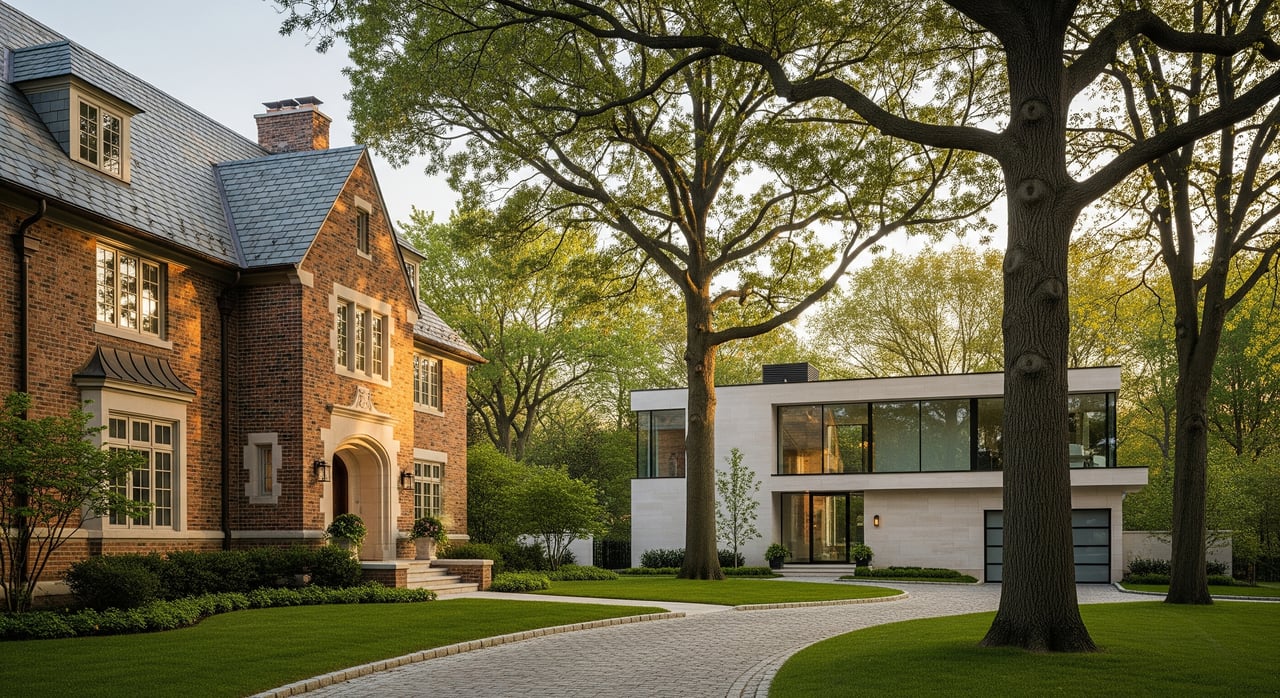
Winnetka buyers value original character, mature landscaping, and appropriate scale. New construction can command a premium if it respects the block’s materials and massing and aligns with current preferences like efficient systems and practical layouts. Overbuilding or a style out of step with neighborhood expectations can extend market time.
Significant new construction or large additions usually trigger reassessment by the Cook County Assessor, which likely raises property taxes. When modeling your budget, estimate post-build assessed value and the ongoing carrying cost.
Winnetka buyer checklist you can use today
- Inspection contingency: engage a structural engineer plus roof, systems, and pest inspections. Get written reports.
- Hazardous-materials survey: assess asbestos and lead-paint risks before finalizing scope.
- Zoning and historic check: confirm district, setbacks, FAR or similar controls, and any historic designation.
- Survey and easements: obtain a current land survey showing boundaries and any easements.
- Tree and landscape review: note large or protected trees and potential permit or mitigation needs.
- Utilities and site logistics: locate water, sewer, gas, and electric; ask about stormwater requirements.
- Preliminary design consult: get schematic feasibility and rough costs for both addition and teardown paths.
- Contractor bids: solicit two to three detailed, comparable bids for each scope you’re considering.
- Financing pre-approval: align loan products with your chosen path and timeline.
- Resale comps: review sales of renovated homes, new builds, and original-character properties nearby to set realistic value targets.
Risks to budget and timeline
- Increased carrying costs if timelines extend.
- Neighborhood or preservation pushback that delays approvals.
- Tax reassessment raising annual expenses post-build.
- Contractor and architect lead times in a high-demand North Shore market.
How we help you move forward
You do not have to navigate this alone. We pair local knowledge with practical renovation and new-construction experience to help you compare paths, vet lots and scopes, and connect with trusted North Shore architects and builders. From early feasibility through offers, contingencies, and vendor selection, we guide you toward a choice that fits your goals and protects future resale.
Ready to explore a Winnetka property and build your plan? Reach out to Allie Payne for thoughtful, local-first guidance.
FAQs
How do you decide to demolish or renovate in Winnetka?
- Start with a structural engineer’s report, a hazardous-materials survey, and a zoning check; if repairs plus abatement bring renovation costs near new-build costs, a teardown becomes more attractive.
Will a teardown let you build bigger in Winnetka?
- Not automatically; any new home must meet current zoning, setbacks, lot coverage, height, and any preservation rules, and variances take time and are not guaranteed.
Do you need a permit to remove trees in Winnetka?
- Often yes for large or protected trees; expect permit requirements and possible mitigation or replacement under village rules.
How long do demolition and new construction take in Winnetka?
- Plan for about 12 to 24 months total, including 2 to 6 months for planning and permits and 9 to 18+ months for construction, with preservation review potentially adding time.
Will your property taxes increase after a new build in Winnetka?
- Generally yes after substantial new construction or large additions due to reassessment by the Cook County Assessor.
Can you use a rehab loan to buy and renovate in Winnetka?
- Yes; FHA 203(k) and Fannie Mae Homestyle loans are common for owner-occupied rehabs, while full new construction typically needs a construction loan.