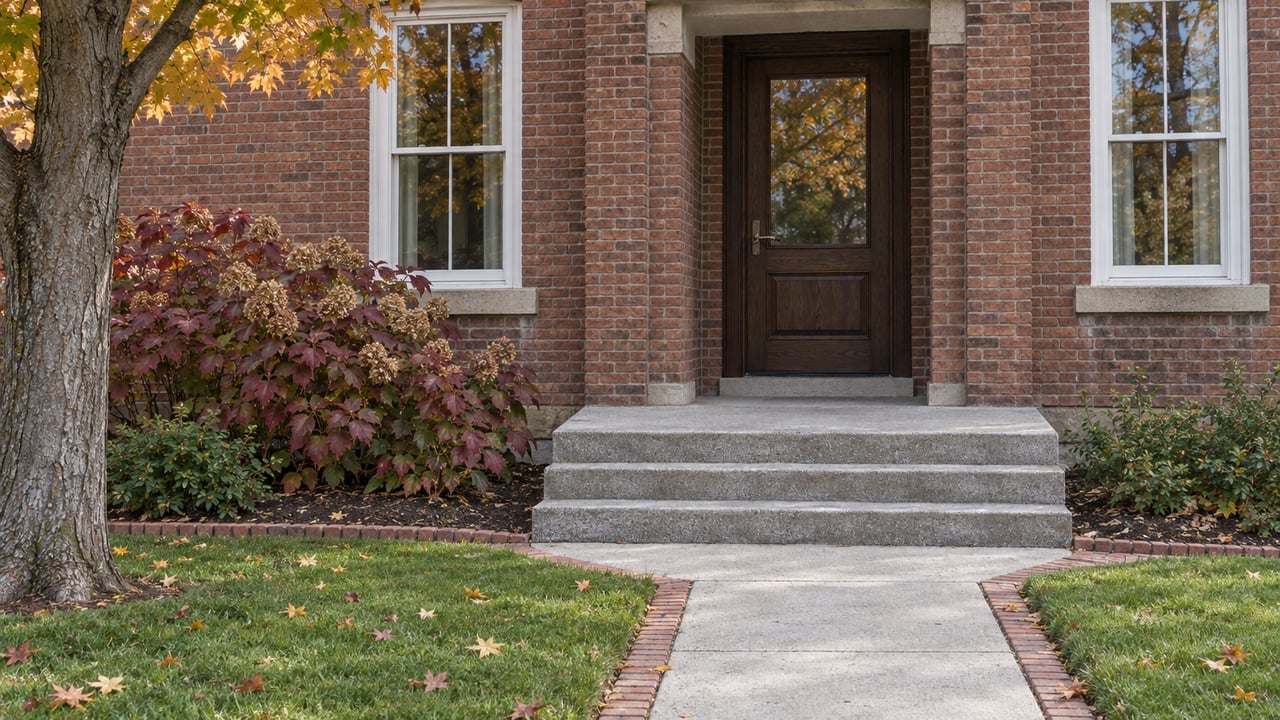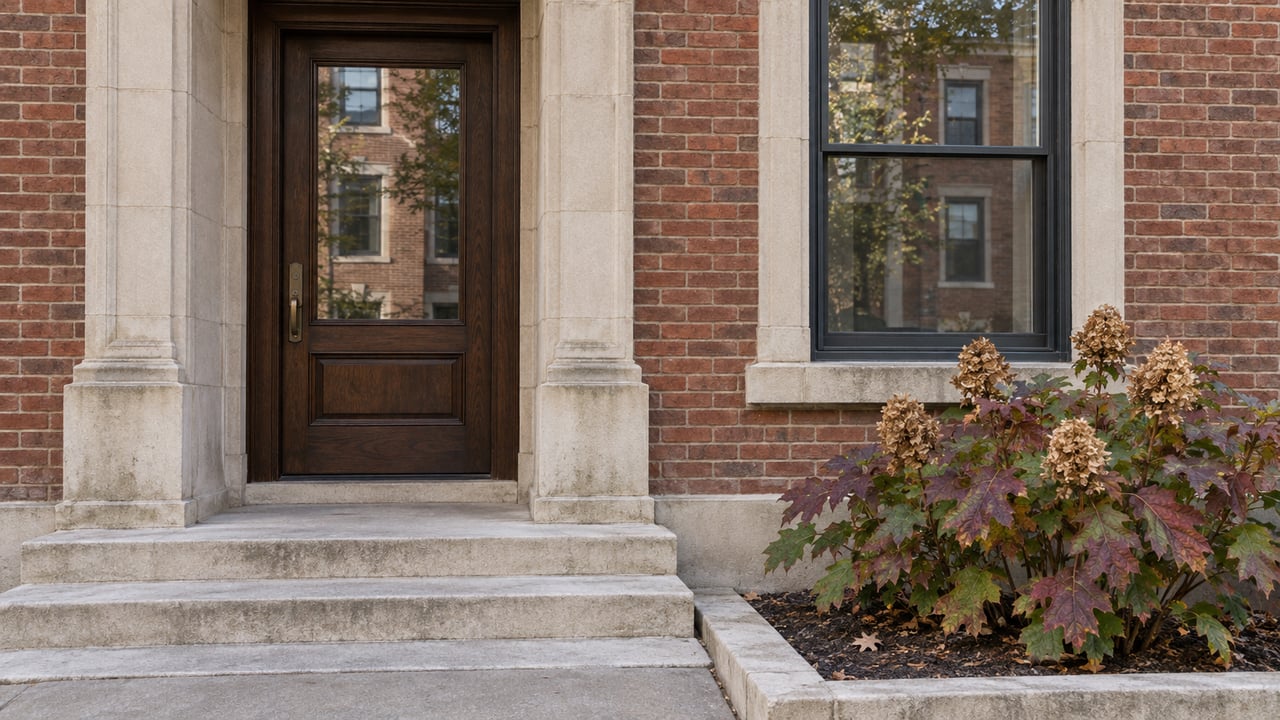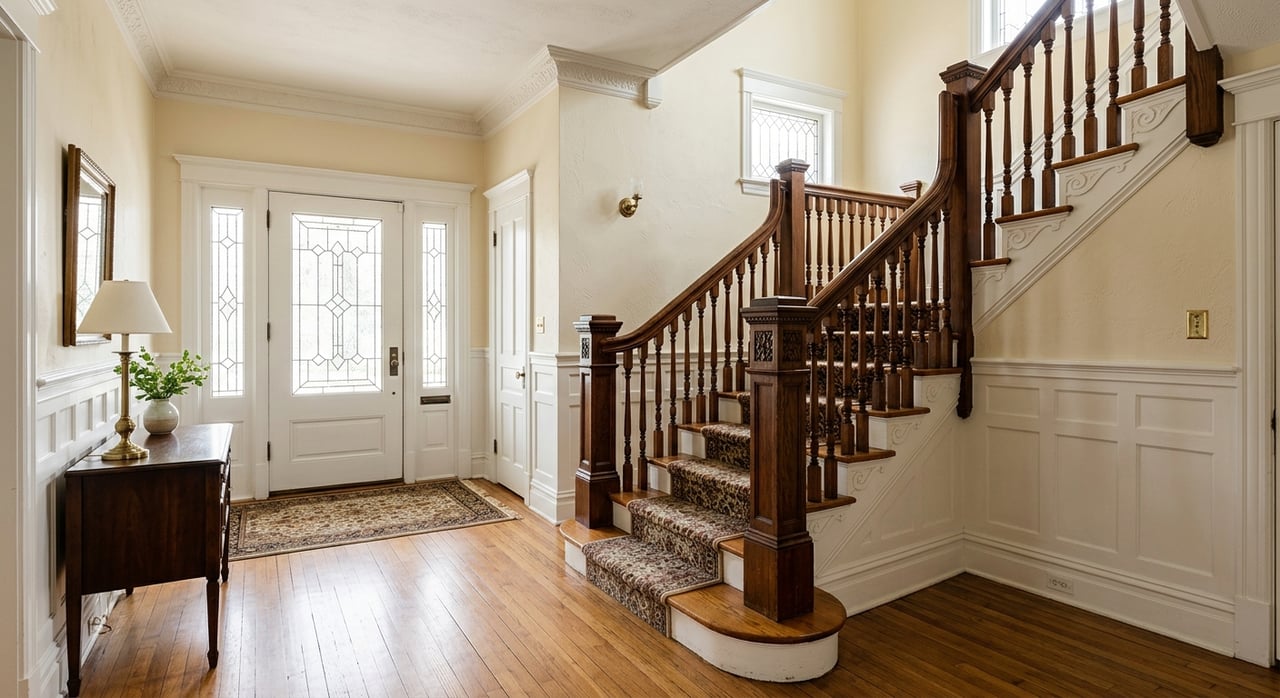
If you own a vintage home in Evanston, you may feel torn between two goals: getting top dollar and protecting the details that made you love the house in the first place. That tension is real, especially in a city where older housing is a major part of the local market and where historic status can affect what changes are allowed. The good news is that you do not have to strip away character to sell successfully. With the right prep, pricing discipline, and presentation strategy, your home’s age and craftsmanship can become part of its value. Let’s dive in.
Why character matters in Evanston
Evanston is especially well suited to this conversation because older homes are a meaningful part of the city’s housing stock. The city’s housing analysis shows that 42% of Evanston housing units were built in 1939 or earlier. The city also reports five National Register historic districts, four local historic districts, and more than 850 registered local landmarks.
That means buyers in Evanston are often shopping with older architecture in mind. It also means sellers need to think carefully about presentation, timing, and any planned exterior work. In Realtor.com’s April 2026 market summary, Evanston had 209 active listings, a median listing price of $475,000, a median sold price of $395,000, and a median of 26 days on market.
In a market like that, how your home shows and how you position its condition can shape both buyer interest and negotiation strength. Vintage charm helps, but only when buyers can clearly see that the home is cared for and functional.
Confirm historic status first
Before you touch windows, masonry, porches, roofing, or additions, start by confirming whether your home is a landmark, located in a historic district, or only on the Study List. This step matters because the City of Evanston treats those categories differently.
According to the city, landmark properties and homes in historic districts generally need a Certificate of Appropriateness for permit-triggered exterior alterations, construction, relocation, or demolition that is visible from the public way. Interior work is generally outside Preservation Commission review unless it affects the exterior. The city also notes that Study List properties are not designated and do not require a Certificate of Appropriateness.
For sellers, the practical takeaway is simple: resolve exterior decisions early. If you wait until staging is booked or listing photos are scheduled, approval timing or redesign decisions can create avoidable delays.
Exterior projects to review early
If you are considering pre-listing improvements, move these items to the front of your planning process:
- Roof work
- Window repair or replacement
- Porch repairs
- Masonry work
- Exterior additions or visible alterations
A clear early review helps you avoid spending money in the wrong place. It also protects your launch timeline, which is especially important if you want a controlled, presentation-first listing strategy.
Keep original features whenever possible
One of the most common mistakes sellers make is over-updating a vintage home until it loses the very qualities that set it apart. In Evanston, preservation guidance points in the opposite direction. The city describes historic resources as part of the built fabric that sustains neighborhood character, and it notes that maintaining existing materials is often more cost-effective over the life of the building than replacing them.
That does not mean every old feature should stay untouched. It does mean you should pause before replacing original elements that can still be repaired, cleaned, refinished, or sensitively restored.
Features buyers often respond to
In many vintage Evanston homes, the details that deserve the most attention are the visible original materials and craftsmanship, such as:
- Windows
- Masonry and brickwork
- Front doors
- Millwork and trim
- Hardwood floors
- Staircases
- Fireplaces
- Built-ins
- Porches
These details help buyers understand the home’s age as an asset, not a problem. When they are well maintained, they create a stronger emotional impression online and in person.
Repair often beats replacement
National Park Service guidance for historic windows says deteriorated historic windows should be repaired rather than replaced when possible. If replacement is necessary, the new unit should match the old in design, color, texture, and, where possible, materials.
The same careful thinking applies to masonry. National Park Service guidance says repointing should use appropriate materials and methods because poor work can damage the brick. In other words, quick cosmetic fixes can sometimes create bigger issues later.
If you are preparing to sell, this is where experienced coordination matters. The goal is not to freeze the house in time. The goal is to preserve the features that make the home feel authentic while addressing the wear that could distract buyers.
Choose updates that support value
Not every seller needs a major renovation before listing. In fact, a lighter-touch plan is often the smarter move for a vintage property. According to the 2025 Remodeling Impact Report, 46% of buyers are less willing to compromise on home condition, and the improvements most often recommended for sellers include painting the entire home, painting one room, and new roofing.
The same report found strong buyer demand for kitchen upgrades, new roofing, and bathroom renovations. That said, in a vintage Evanston home, the best return often comes from selective updates that improve function and appearance without erasing period character.
Smart pre-listing improvements
If your selling timeline is about 6 to 18 months, consider focusing on:
- Fixing visible wear and tear
- Completing deferred maintenance
- Refreshing paint where needed
- Updating dated or weak lighting
- Improving kitchen or bath finishes at a modest scale
- Addressing roofing concerns if they are obvious to buyers
This kind of prep helps buyers feel confident without making the home look generic. It also keeps your budget aligned with what the market is likely to reward.
Be careful with entry-door swaps
The Remodeling Impact Report found high cost recovery for a new steel front door and strong recovery for a new fiberglass front door. But in a vintage home, the front entry may be one of the most important original features.
Before replacing it, weigh the architectural value of the existing door and confirm whether preservation review may apply. In some cases, repair, refinishing, or hardware updates may support both character and curb appeal better than a full replacement.
Plan for lead paint if your home is older
If your home was built before 1978, lead-based paint rules should be part of your prep plan. The EPA says sellers must disclose known lead-based paint information, provide the required EPA pamphlet, and buyers generally receive a 10-day period to test for lead hazards.
This matters even more in very old housing. The EPA reports that 87% of homes built before 1940 contain some lead-based paint. If you are disturbing painted surfaces before listing, use lead-safe practices and certified contractors so you protect both your timeline and your documentation.
Stage for clarity, not for trendiness
When sellers hear the word staging, they sometimes worry their home will end up looking overly modern or stripped of personality. In a vintage home, good staging should do the opposite. It should make the home’s scale, light, craftsmanship, and livability easy to understand.
That approach matches what current buyer behavior shows. NAR’s 2025 staging report says 83% of buyers’ agents found that staging made it easier for buyers to visualize a property as their future home. The most commonly staged rooms were the living room, primary bedroom, and dining room.
What staging should accomplish
For an older Evanston home, staging works best when it helps buyers quickly notice:
- Room proportions
- Natural light
- Original woodwork
- Flooring and trim
- Fireplace features
- Functional flow
- Care and maintenance
The goal is not to disguise the age of the home. The goal is to show that the home is beautiful, usable, and well looked after.
Prep steps that make photos stronger
A separate NAR article points to common prep steps that support strong listing presentation. These include:
- Decluttering
- Full-home cleaning
- Improving curb appeal
- Professional photos
- Minor repairs
- Depersonalizing
- Paint touch-ups
- Landscaping
- Re-grouting tile
- Removing pets during showings
For a vintage home, these steps matter because they reduce visual noise. That makes original details easier to see in photos, video, virtual tours, and in-person showings.
Photography should tell the right story
Buyers often meet your home online before they ever step inside. NAR reporting shows that buyers’ agents rank photos, traditional staging, video tours, and virtual tours among the most important listing elements. For a vintage property, that means your media package should do more than document rooms.
It should tell a story about craftsmanship, condition, and daily livability. Close-up detail shots, bright room photography, and exterior images that highlight masonry, porches, and entry details can help buyers connect emotionally before a showing is even scheduled.
This is where a presentation-led strategy can make a real difference. When staging, photography, and launch timing work together, your home’s character reads as a premium feature rather than a project.
A smart selling sequence for vintage homes
If you want to protect both value and character, the order of operations matters. Based on Evanston’s preservation rules, preservation guidance, and current staging and remodeling research, the strongest pre-listing sequence is usually straightforward.
Best order before listing
- Confirm historic status.
- Identify original features worth protecting.
- Complete visible maintenance and selective updates.
- Plan for any lead-safe work if applicable.
- Stage to highlight character and function.
- Photograph and market the home with intention.
This sequence helps you avoid rushed decisions and mixed messages. It also gives buyers a clearer experience from the first photo to the final showing.
Why local guidance matters
Selling a vintage home in Evanston is not the same as selling a newer property in a market without preservation layers. You may need to balance city rules, repair decisions, buyer expectations, and timing all at once. That is why local knowledge matters so much.
A strong plan should protect the features that make your house special while still presenting it in a way that today’s buyers can understand and appreciate. With thoughtful prep, disciplined pricing, and polished marketing, you can sell your home without sanding off its story.
If you are thinking about selling a vintage home in Evanston, Allie Payne can help you build a practical, presentation-first plan that respects your home’s character and positions it for a strong market debut.
FAQs
What should Evanston sellers check before updating a vintage home exterior?
- You should confirm whether the home is a local landmark, in a historic district, or only on the Study List, because permit-triggered exterior work visible from the public way may require a Certificate of Appropriateness.
What original features matter most when selling a vintage Evanston home?
- Features that often deserve special attention include original windows, masonry, front doors, trim, hardwood floors, staircases, fireplaces, built-ins, and porches.
What pre-listing updates make sense for a vintage home in Evanston?
- The most practical updates are usually visible maintenance, paint refreshes, lighting improvements, deferred repairs, and selective kitchen or bath improvements that do not erase the home’s historic feel.
What do sellers need to know about lead paint in older Evanston homes?
- If the home was built before 1978, sellers must disclose known lead-based paint information, provide the required EPA pamphlet, and buyers generally get a 10-day period to test for lead hazards.
How should you stage a vintage Evanston home before listing?
- You should stage it to make character easy to read by decluttering, cleaning thoroughly, making minor repairs, improving curb appeal, and highlighting light, proportions, and original details rather than trying to make the home look generic.