If selling your Wilmette home feels like one more full-time job, you are not alone. Between daily life, packing decisions, and a market that can move fast, it is easy to wonder what actually matters before you list. The good news is that you do not need to do everything at once. You just need a smart plan that focuses on the updates buyers notice first and the tasks that help your home photograph and show well. Let’s dive in.
Why smart prep matters in Wilmette
Wilmette is a market where presentation can shape buyer response quickly. The village housing profile shows a housing stock made up mostly of single-family homes, with many homes built before 1960 and a high rate of owner occupancy. It also shows that many households are smaller than the homes they live in, which means buyers may pay close attention to how rooms flow, how storage functions, and how well the home feels maintained.
That matters even more in a fast-moving market. In the April 2026 Wilmette market update, homes averaged 14 days on market, the median sales price was $1.549 million, and buyers paid 104.9% of original list price on average. When attention comes quickly, your home needs to be ready for photos, showings, and early buyer feedback from day one.
Start with the highest-impact tasks
If you are short on time, focus on the work that improves how your home looks in person and online. National staging data points to a clear order of operations: decluttering, cleaning, curb appeal, minor repairs, paint touch-ups, and landscaping are among the most common recommendations.
In practical terms, that means you should tackle visible distractions before thinking about larger optional projects. A busy buyer scrolling through listings or walking through your home will notice crowded surfaces, worn paint, deferred maintenance, and awkward furniture placement right away.
Declutter before anything else
Decluttering is often the fastest way to make a home feel larger, calmer, and more flexible. It helps buyers focus on the space itself instead of your belongings. It also makes the next steps, like cleaning and staging, much easier.
Start with the rooms buyers tend to notice most. According to the staging data, the living room, primary bedroom, dining room, and kitchen are among the most commonly staged spaces. If your schedule is tight, clear those areas first.
Here is what to remove or reduce:
- Personal photos and highly specific decor
- Extra chairs, side tables, or bulky furniture
- Overflow from kitchen counters
- Out-of-season clothing and packed closets
- Toys, pet items, and visible storage bins
The goal is not to erase personality. It is to help each room read clearly and show its size, purpose, and flexibility.
Deep clean for photos and showings
Once the clutter is down, cleaning becomes more effective. Whole-home cleaning is one of the top seller recommendations in staging guidance, and for good reason. Clean homes feel better cared for, brighter, and more move-in ready.
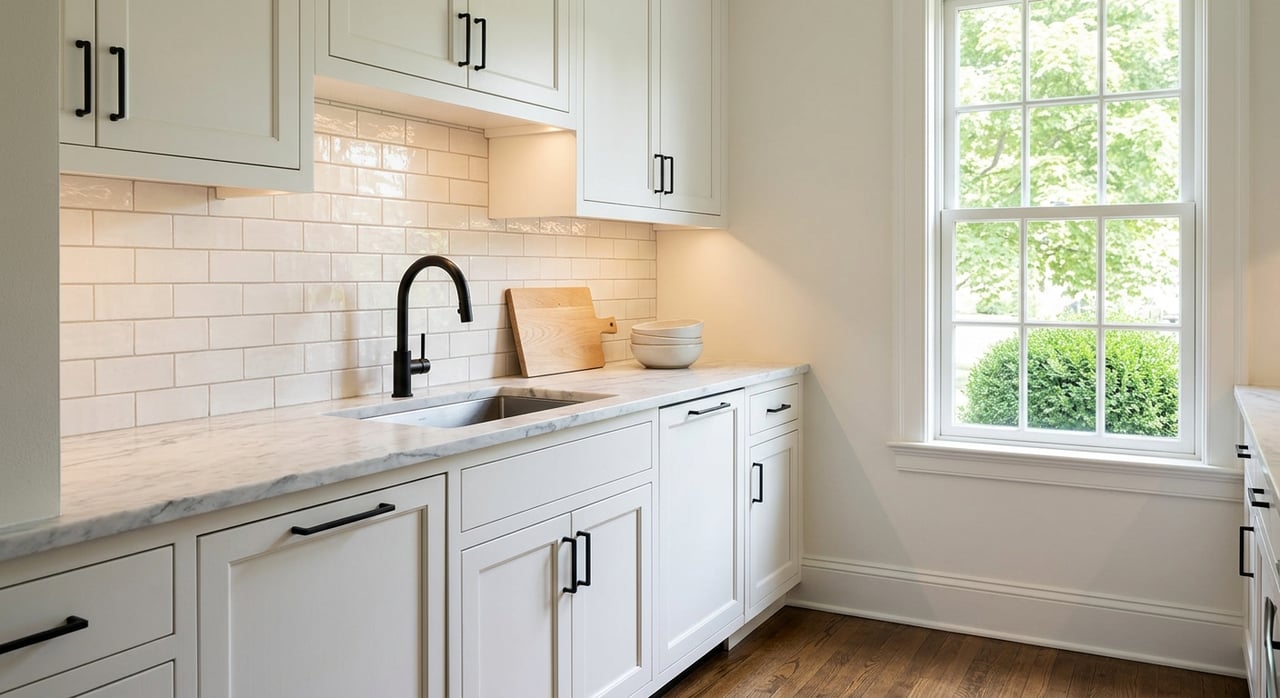
Pay special attention to the surfaces buyers and photographers notice most. Floors, windows, countertops, bathrooms, and kitchen appliances all affect first impressions. In older homes, even a very clean finish can help offset concerns that a buyer may have about age or upkeep.
Fix visible repairs next
Minor issues can distract buyers more than many sellers expect. A dripping faucet, chipped trim, sticky door, missing caulk line, or burned-out lightbulb may seem small, but together they can suggest broader deferred maintenance.
That is why visible repairs should come before decorative upgrades. If you are deciding where to spend your time and budget, start with the items a buyer can see immediately in listing photos or during a showing.
Focus on move-in-ready, not major renovation
Many Wilmette homes have character, history, and long-term ownership behind them. That can be a strength, but it also means sellers sometimes wonder whether they need a major remodel to compete. In most cases, the better path is simpler: make the home feel clean, bright, functional, and well cared for.
Based on Wilmette’s housing profile, the speed of the market, and staging guidance, a high-return prep plan often means visible repairs, touch-ups, decluttering, curb appeal, and staging rather than a full renovation. Larger discretionary projects may make sense when they solve a clear buyer objection, but they are not always the first step.
Where paint touch-ups help most
Fresh paint can sharpen the overall impression of a home, but even selective touch-ups can go a long way. Focus on scuffed trim, marked-up walls, worn doors, and other areas that read poorly in bright photography.
If you are not repainting entire rooms, consistency still matters. Clean, neutral, well-maintained surfaces help buyers focus on the home’s layout and condition instead of a to-do list.
Do not overlook curb appeal
Your first showing starts at the sidewalk. Curb appeal ranks among the top seller recommendations in staging guidance, and that is especially relevant in a community with many classic single-family homes and mature landscaping.
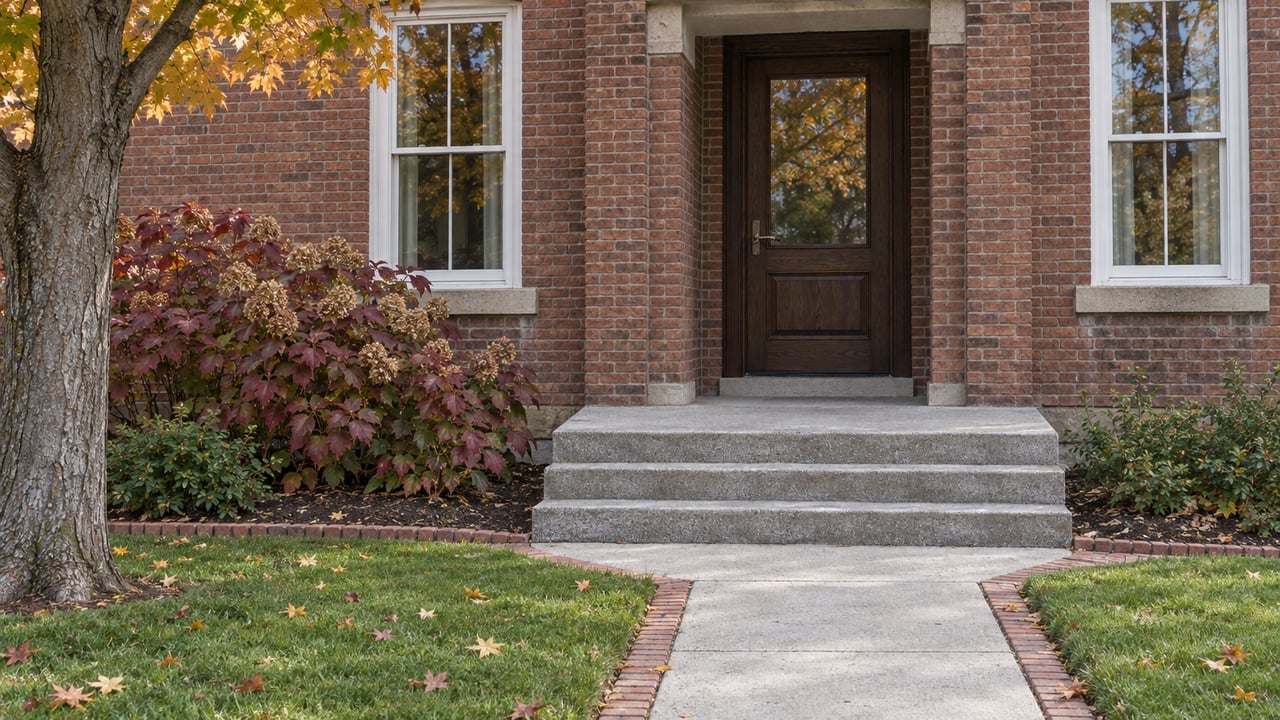
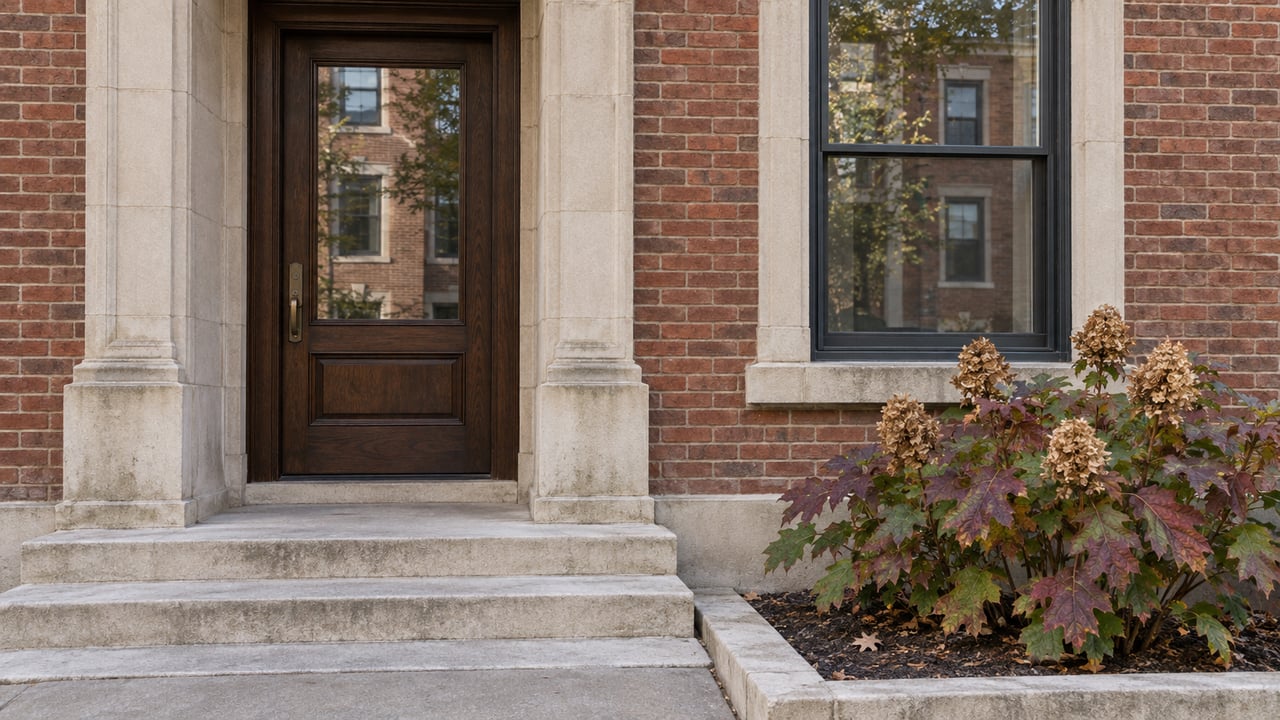
Simple exterior polish can change the tone of the entire listing. Trimmed plantings, a swept walkway, fresh mulch, a tidy entry, and a clean front door can help your home feel cared for before buyers even step inside.
Plan exterior projects with lead time
If your exterior prep includes stormwater-related work, timing matters in Wilmette. The Village’s Stormwater Incentive Program covers certain eligible improvements, including rain gardens, bioswales, dry wells, cisterns or rain barrels, permeable pavers, and some sump, downspout, or yard-drain disconnections from village sewers.
The village requires a permit application, site plan, cost estimate, and inspections, and the permit must be issued before installation begins. If this kind of project is on your list, build in extra time early so it does not delay your listing prep.
Stage the rooms buyers notice most
Staging is not about making your home look artificial. It is about helping buyers understand scale, layout, and daily living. Staging guidance defines the process as cleaning, decluttering, repairing, depersonalizing, and updating so buyers can picture themselves living there.
The most commonly staged rooms are the living room, primary bedroom, dining room, and kitchen. If you are trying to prepare efficiently, those are usually the best places to concentrate effort and budget.
What staging should accomplish
Good staging should help each room answer a simple question: what is this space for, and how does it feel to live here? In larger homes, that clarity matters. Buyers tend to respond well when rooms feel purposeful instead of overfilled or uncertain.
That might mean:
- Reworking furniture to improve traffic flow
- Removing oversized pieces to show floor area
- Adding lighter bedding or simpler decor
- Defining dining or sitting areas more clearly
- Styling countertops and shelves with restraint
Outsource the tasks that slow you down
If you are balancing work, family, travel, or a move, the smartest prep plan may be the one that gets key tasks off your plate. The biggest time-savers are often deep cleaning, staging, landscaping, and contractor work tied to visible issues or house systems.
This is also where Compass Concierge can help some sellers. Compass says it fronts the cost of eligible home-improvement services with zero due until closing. Covered services include staging, deep cleaning, decluttering, landscaping, interior and exterior painting, floor repair, HVAC work, roofing repair, moving and storage, pest control, seller-side inspections, plumbing repair, and more.
For a busy Wilmette seller, that can make it easier to complete the work that supports stronger presentation without trying to coordinate and fund every step upfront. Payment terms and any state-specific fees or interest depend on the program details, but the practical advantage is clear: you can keep prep moving.
Match prep to your marketing timeline
A strong launch is not just about the home itself. It is also about timing. Compass describes a three-phase marketing approach that can include Private Exclusive, Coming Soon, and then full MLS and public launch.
For some sellers, that structure can create breathing room. It may allow time to finish staging, painting, or final cleanup while building toward a more polished public debut. Compass also notes that off-MLS phases limit distribution and may reduce the number of buyers who see the property, so the right strategy depends on your goals and timeline.
Why visuals come last, not first
Professional listing assets should happen after the prep work is done. Staging data shows that photos are especially important, with video also playing a major role. That means photography, video, and virtual tours should be scheduled only once the home is visually ready.
If you take photos too early, you may end up marketing a version of the home that does not reflect its best presentation. In a market like Wilmette, where buyer attention can come fast, that first online impression matters.
A simple prep order for busy sellers
If you want the shortest path to market readiness, follow this sequence:
- Declutter personal items and excess furniture
- Deep clean the entire home
- Complete visible minor repairs
- Do paint touch-ups and cosmetic refreshes
- Improve curb appeal and basic landscaping
- Stage key rooms
- Schedule photography, video, and virtual tours
- Launch when the home feels clean, bright, and cohesive
This order helps you spend energy where buyers are most likely to notice it. It also reduces the risk of doing work out of sequence, like cleaning before decluttering or photographing before staging.
The goal is clarity, not perfection
You do not need to transform your home into something unrecognizable. You need to make it easy for buyers to see its space, care, and potential. In Wilmette, where many homes have architectural character and the market can move quickly, a clean and well-planned presentation often does more than an overly ambitious prep list.
We believe the best results come from doing the right things in the right order, then bringing the home to market with clear strategy and polished execution. If you are getting ready to sell in Wilmette and want practical guidance on prep, staging, and launch timing, Allie Payne can help you build a plan that fits your schedule and your goals.
FAQs
What home prep matters most before listing in Wilmette?
- The highest-impact tasks are usually decluttering, deep cleaning, visible minor repairs, curb appeal improvements, and staging key rooms before photography and showings.
What rooms should Wilmette sellers stage first?
- The living room, primary bedroom, dining room, and kitchen are the rooms most commonly staged and often the best places to focus first.
Do Wilmette sellers need a major renovation before selling?
- Not always. In many cases, a move-in-ready presentation with cleaning, repairs, touch-ups, curb appeal, and staging offers a more efficient path than a major remodel.
How fast can a home sell in Wilmette?
- In the April 2026 Wilmette market update, all-property sales averaged 14 days on market, which suggests sellers should be ready for buyer attention soon after listing.
Can Compass Concierge help with Wilmette listing prep?
- Compass says Concierge can front the cost of eligible services such as staging, deep cleaning, painting, landscaping, repairs, and moving-related support, with payment due later under program terms.
Are permits required for some exterior drainage projects in Wilmette?
- Yes. For certain eligible stormwater improvements, the Village of Wilmette requires a permit application, supporting project information, and inspections before installation begins.