Buying a condo in Lake View should feel exciting, not stressful. If you have heard the words “special assessment,” you might worry about surprise costs or last-minute repairs. You are not alone. The good news is that with the right questions and a clear process, you can understand risk, spot red flags, and protect your budget. In this guide, you will learn what special assessments are, why they happen in Lake View, which documents to request, and how to read the numbers with confidence. Let’s dive in.
What a special assessment is
A special assessment is a one-time or limited-duration charge that a condo association bills on top of the regular monthly assessment. Associations use them to pay for specific expenses that the operating budget or reserves do not cover. Common examples include major repairs, life-safety upgrades, or emergency fixes.
There are two kinds of “special assessments” to keep straight in Chicago:
- Association special assessments: approved by the condo board or owners based on your declaration and bylaws.
- Municipal or county special assessments: charges from the City of Chicago or Cook County for public improvements. These are separate from association bills and can affect owners differently.
Why Lake View buildings see assessments
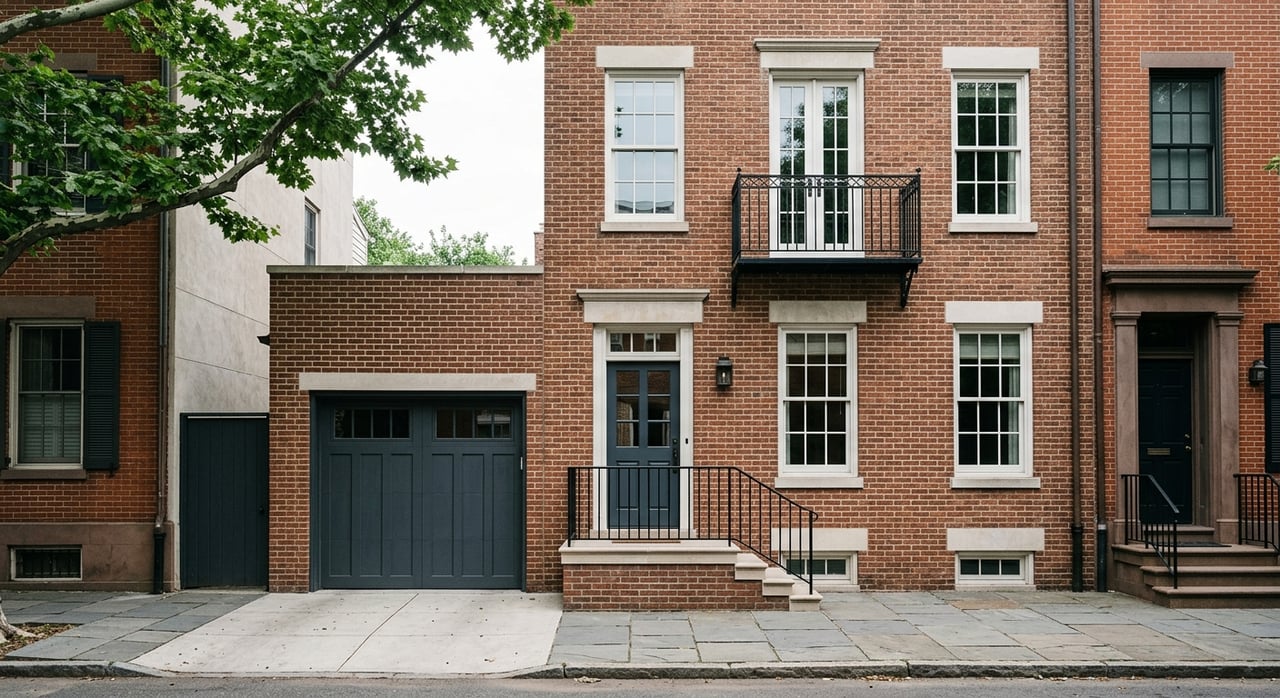
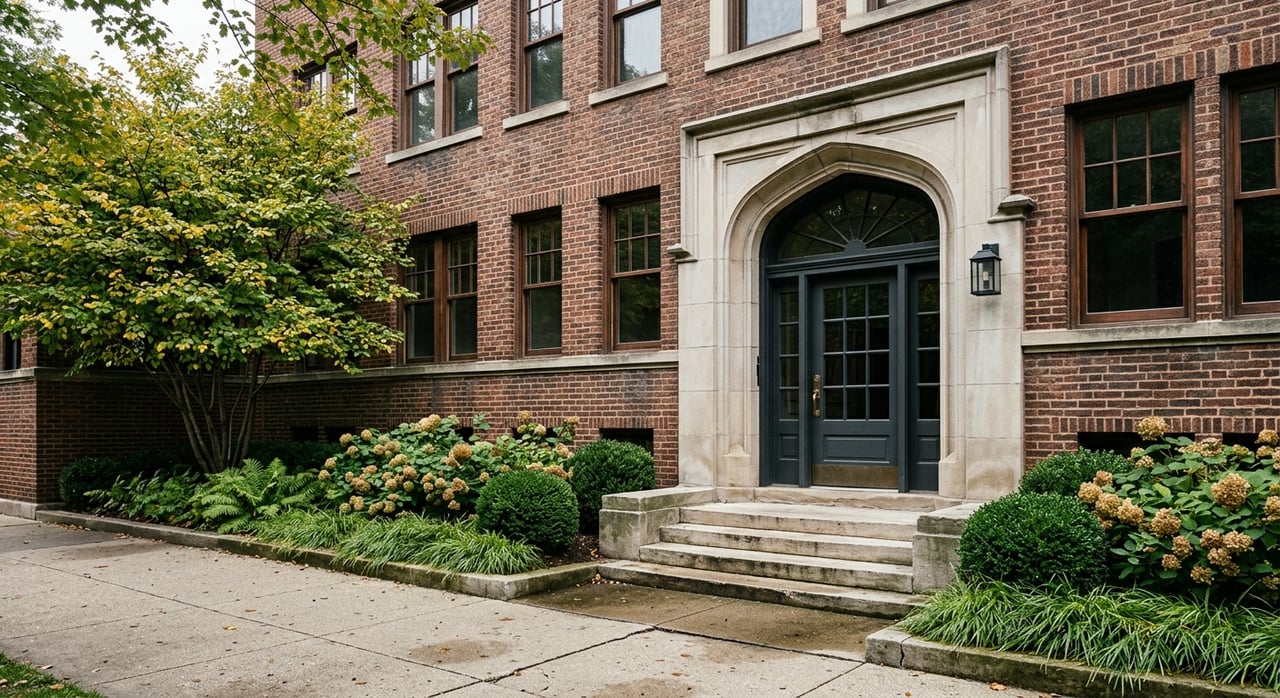
Lake View has a wide mix of buildings: vintage brick walkups, classic courtyard and mid-rise masonry buildings, and modern high-rises. Chicago’s freeze-thaw cycles are hard on exterior materials. Mortar joints, parapets, balconies, and roofs age faster, which often leads to masonry restoration and waterproofing projects.
Typical projects that trigger assessments include:
- Façade tuckpointing, balcony repairs, and exterior restoration.
- Roof replacement and window replacement for energy performance.
- Elevator modernization and mechanical upgrades like boilers and HVAC.
- Life-safety improvements required by code or inspection.
- Emergency repairs, uninsured losses, or litigation settlements.
Documents to request before you commit
Ask for these items as part of your offer and contingency period. They show financial strength, project planning, and governance.
- Declaration, bylaws, and rules and regulations.
- Most recent annual budget and prior-year comparison.
- Financial statements for operating and reserve accounts (and bank statements for reserves if available).
- Current reserve study and any engineering or inspection reports.
- Board and owner meeting minutes from the last 12–24 months.
- List of pending or approved capital projects with bids and timelines.
- History of special assessments: dates, amounts, and reasons. Note whether owners paid upfront or through financing.
- Master insurance policy and any claims history.
- Litigation history or pending claims naming the association.
- Owner delinquency report and occupancy rates.
- Any City of Chicago or Cook County liens or municipal special assessments recorded against the property.
How to read the numbers
You want to see a stable reserve trajectory and a plan that aligns with the reserve study. Focus on:
- Operating vs reserve balances: are reserves steady or growing, and do they match project plans?
- Reserve study alignment: is the board following the study’s funding plan, or are projects coming due without money set aside?
- Special assessment pattern: repeated or frequent assessments can signal chronic underfunding.
- Delinquencies: a high percentage of unpaid dues strains cash flow and can force assessments. Ask for the current percentage and the collection policy.
A quick cost example
- Building-wide special assessment: $200,000.
- Your unit percentage ownership: 0.5% (0.005).
- Your share: $200,000 × 0.005 = $1,000.
- If the association allows 12 monthly payments: $1,000 ÷ 12 = $83.33 per month.
Confirm whether a buyer or seller will pay any known assessment. Many associations bill the owner of record on the billing date. You can negotiate responsibility in your contract.
Governance and voting rules
Your declaration and bylaws control how assessments are approved. Some buildings let the board approve emergency assessments without a vote. Others require a simple majority or supermajority owner vote above a set dollar or percentage threshold.
Look for:
- Notice and ballot rules for special assessments.
- Competitive bid requirements for major work.
- Clear authority to finance projects and pass repayment through to owners.
A Chicago condo attorney will verify that the board followed procedures, that authority is clear, and that there are no conflicts in contractor selection.
Questions to ask at every step
Use these questions to get clear answers from the right people.
Ask the board or manager
- Is there a current reserve study? Who did it and when? What funding plan is recommended?
- What projects are planned in the next 1–5 years? Are there bids, cost estimates, and a financing plan?
- What special assessments were levied in the last 5–10 years and why? What amounts?
- Current reserve and operating balances? Current delinquency rate and collection policy?
- Any threatened or pending lawsuits or insurance claims?
- Any recent code violations, Department of Buildings orders, or municipal liens?
- How are approvals handled for special assessments and what thresholds apply?
- Will the work be funded by cash, special assessment, or a loan/line of credit?
Ask the seller and listing agent
- Is any special assessment pending, approved but not billed, or scheduled?
- Who will pay any assessment billed before closing?
- Provide the required association disclosures: budget, financials, minutes, reserve study.
Ask your condo attorney
- Did the board follow procedures and have proper authority?
- How should the contract allocate known pending assessments?
- What litigation exists and what is the exposure to owners?
- Are there municipal liens or code issues that could trigger new costs?
Ask your lender
- How do pending or large assessments affect underwriting?
- Will program rules for FHA, VA, or Fannie Mae/Freddie Mac influence approval?
- If the association finances a project, will a lien or loan change the lender’s requirements?
Financing and closing impacts
Underwriters review a building’s financial health. Large or frequent assessments can slow approval or trigger extra conditions. If an assessment is approved before closing, your lender will want to know who pays and may require payoff at closing or a verified repayment plan.
Program eligibility matters too. FHA, VA, and Fannie Mae/Freddie Mac look at reserve strength, deferred maintenance, and the presence of significant assessments when evaluating condo projects. If you need a low down payment loan, these project rules can affect your options.
On taxes, most owner shares of special assessments are not treated as real estate taxes. Portions tied to capital improvements may affect your tax basis. Talk with a CPA for your specific situation.
Associations often soften the impact by financing projects and allowing owners to pay over time. This spreads out monthly costs but adds interest.
Where to check records in Chicago
Do targeted searches to verify what you are told:
- Cook County Recorder of Deeds: look for recorded liens or municipal special assessments.
- City of Chicago Department of Buildings: review permits and any building violations.
- Cook County Assessor: confirm ownership and tax records.
- Circuit Court of Cook County: search for lawsuits that name the association.
Industry groups like the Community Associations Institute offer guidance on reserve studies and governance. Illinois law, including the Illinois Condominium Property Act, sets rules for disclosures and association powers.
Deal breakers and negotiation tips
Common deal breakers:
- Major unresolved litigation that could lead to a large assessment.
- A big assessment approved with no clear repayment plan.
- No reserve study and visible deferred maintenance like cracked masonry or active leaks.
- Very high delinquencies and repeated assessments.
Negotiation levers for buyers:
- Ask the seller to pay all assessments billed through closing or agree on a fair proration.
- Make association document review a clear contingency.
- Require copies of minutes, budgets, reserve studies, and bids before waiving contingencies.
- If a pending assessment surfaces, request a seller credit or an escrow contribution at closing.
Quick checklist for Lake View buyers
- Obtain: declaration and bylaws; last 2–3 years of budgets and financials; reserve study; last 12–24 months of minutes; list of projects and bids; master insurance policy; delinquency schedule; litigation list.
- Ask: is there a current reserve study and funding plan? What projects are planned and how will they be paid for? What are the reserve and delinquency levels? Any recent or repeated special assessments?
- Compute: your unit’s percentage share of any assessment and your monthly impact if financed. Check how it affects your debt-to-income ratio.
- Verify: whether owner approval is required for large assessments and whether the board followed those procedures.
If you want a calm, step-by-step path to the right Lake View condo, we are here to help you read the documents, frame smart questions, and negotiate with confidence. Reach out to Allie Payne to get a clear plan for your search and a team that advocates for you from offer to close.
FAQs
What is a condo special assessment and why is it used?
- It is a one-time or short-term charge billed by the association to fund specific costs that regular dues and reserves do not cover, such as major repairs, life-safety work, or emergencies.
How are Lake View condo assessment shares calculated?
- Most associations use your unit’s percentage ownership: for example, a $200,000 building assessment at 0.5 percent ownership equals a $1,000 share, or about $83.33 per month over 12 months.
Who pays a pending assessment at closing in Chicago?
- Responsibility is negotiable; many associations bill the owner of record on the billing date, so confirm timing and assign payment clearly in your purchase contract.
Can a special assessment affect my mortgage approval?
- Yes; underwriters review building reserves, delinquencies, and assessments, and programs like FHA, VA, and Fannie Mae/Freddie Mac also consider project health when approving loans.
What building issues in Lake View most often trigger assessments?
- Exterior masonry and waterproofing, roof and window replacement, elevator modernization, mechanical upgrades, life-safety improvements, and emergency repairs are common.
Where can I check for liens, violations, or lawsuits on a condo building?
- Search the Cook County Recorder of Deeds for liens, the City of Chicago Department of Buildings for permits and violations, the Cook County Assessor for tax records, and Cook County court records for litigation.