Buying your first home in Evanston can feel exciting and a little overwhelming. You want a clear plan, honest numbers, and local insight so you can move with confidence. In this guide, you’ll learn the steps to buy in Illinois, how long each phase takes, what costs to expect, and what to watch for with condos versus single-family homes in Evanston. Let’s dive in.
Why Evanston appeals to first-time buyers
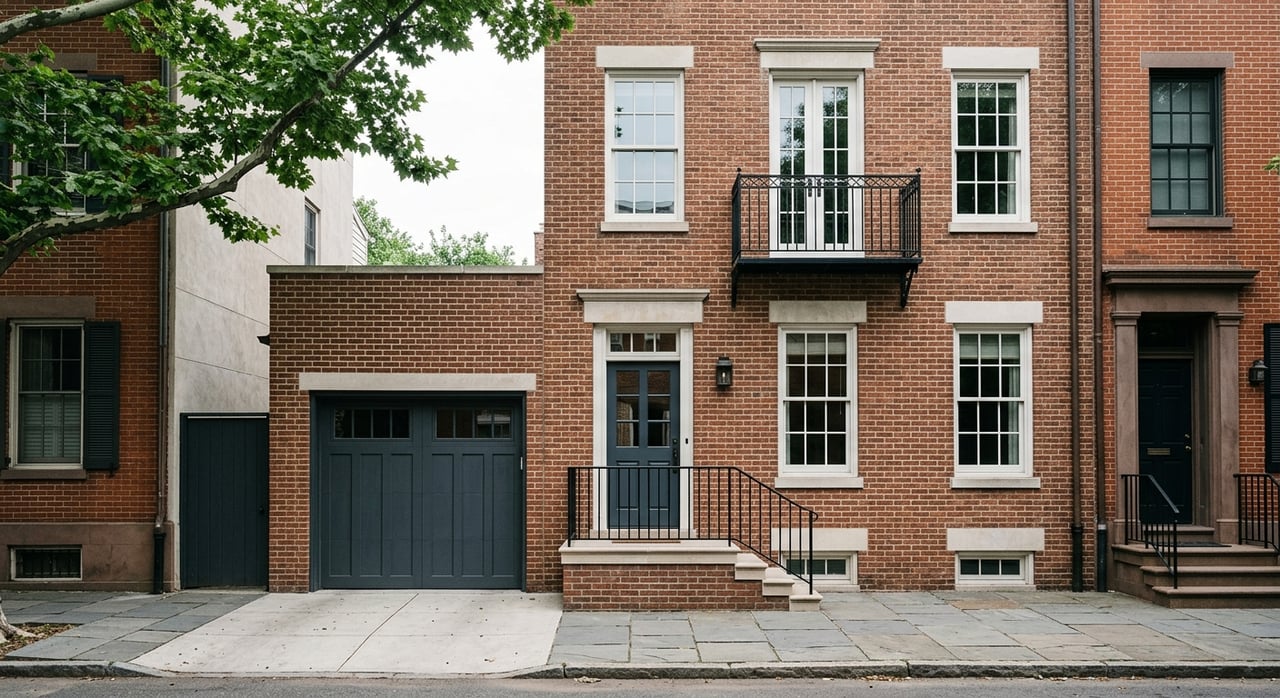
Evanston gives you a mix of housing options and strong transit access on Chicago’s North Side lakefront. You’ll find high- and mid‑rise condos near downtown and the lakefront, garden and low‑rise condos, townhouse-style units, and single‑family homes across several neighborhoods. Downtown and Central Evanston offer walkability, retail, and quick access to Metra Union Pacific North and the CTA Purple Line.
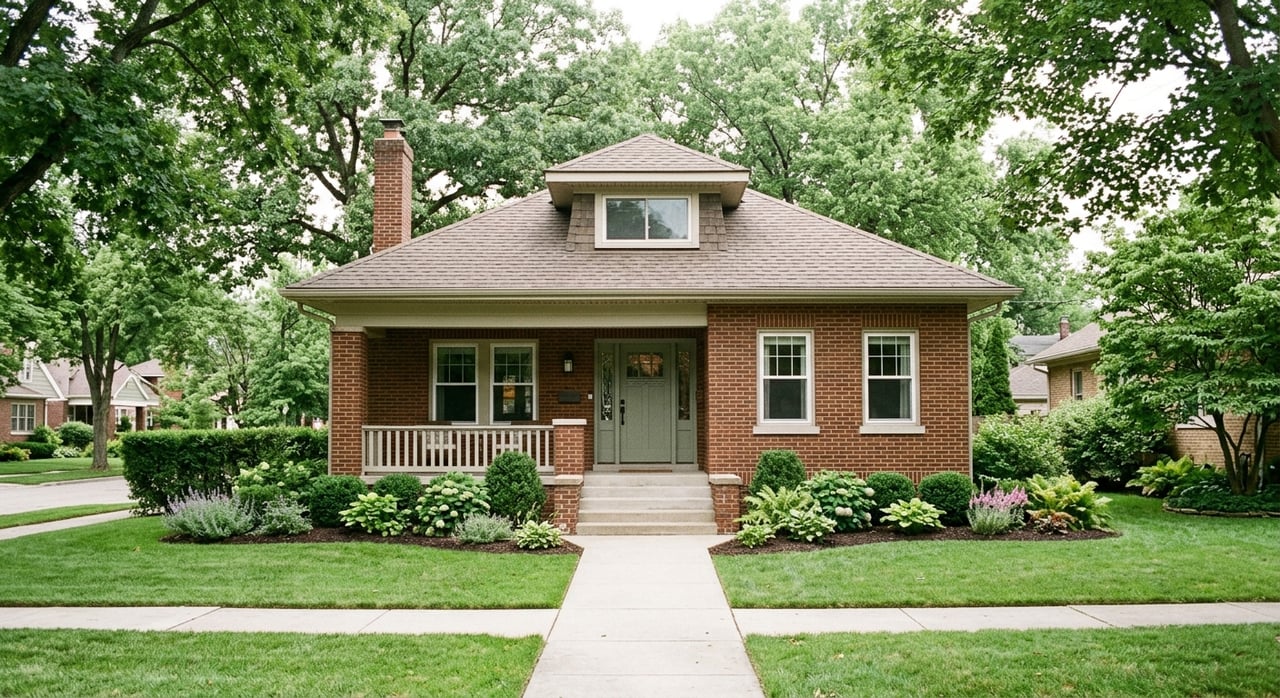
If you want single‑family homes and quieter streets, areas near Central Street, the northeast, and neighborhoods close to Northwestern have more detached housing. West Evanston offers mixed housing types and quick access to expressways. Proximity to transit, parks, and beaches can raise competition and support resale demand, so weigh those benefits as you set your budget.
Set your budget and timeline
Start with your monthly comfort zone. Review your credit, existing debts, and savings for down payment and closing costs. Lenders use front‑end and back‑end debt ratios to size your loan, and requirements vary by program.
Most Illinois purchases close in 30 to 45 days after your offer is accepted. Allow extra time if you are buying a condo and need association documents or board approval. If you want to move around a holiday or peak season, plan for possible underwriting or appraisal delays.
Get pre‑approved in Illinois
A full pre‑approval, based on your documents, strengthens your offer and sets a realistic price range. Pre‑approval usually takes 1 to 10 days once you submit pay stubs, W‑2s, bank statements, and other financials. Pre‑approval is more reliable than pre‑qualification and is preferred by sellers in competitive situations.
Choose your Evanston agent partner
Work with an agent who knows Evanston’s neighborhoods, condo associations, and local permit norms. You will want guidance on HOA rules, reserves, and any rental restrictions, plus insight on older housing stock, basements, and drainage. A local team can help you compare transit access, parking realities, and lakefront considerations such as flood risk.
House-hunting strategies by neighborhood
- Downtown and Central: Expect more condo choices near Davis and Church. You get walkability and quick access to Metra and the CTA Purple Line. Parking may be assigned or on a waitlist in some buildings.
- Central Street and South Evanston: A mix of single‑family homes, townhomes, and smaller buildings with local shops and restaurants.
- Northeast, North, and near Northwestern: More single‑family homes and lake proximity. Check insurance needs and any flood zone mapping if you are near the lakefront.
- West Evanston: A range of price points and housing types with access to expressways.
Make a competitive offer
Your offer may include an earnest money deposit and standard contingencies for inspection, financing, and appraisal. For condos, include time to review HOA documents. Price is only one lever. You can also negotiate closing date, repair credits, or inclusions like parking or storage.
Typical negotiation timeline
- Offer and counteroffers: 1 to 7 days
- Earnest money: deposited after acceptance per contract terms
- Contract to close: usually 30 to 45 days, subject to lender and title timelines
From contract to closing in Illinois
Once your offer is accepted, several steps run in parallel.
Attorney review and inspections
In Illinois, it is common to have an attorney review the purchase contract. The review window is negotiable. Inspection periods typically run 5 to 10 business days. Consider a general home inspection plus radon testing, a sewer scope for older homes, and other specialized inspections as needed.
Condo and HOA review
Allow 7 to 14 days to review the declaration, bylaws, budget, financial statements, reserve studies, recent meeting minutes, insurance certificates, rules, and any history of special assessments. Some associations require buyer approval before closing, which can add days to your timeline.
Appraisal, underwriting, and title
Your lender will order an appraisal. Appraisal and underwriting often take 1 to 3 weeks. A title company or attorney will run a title search, and you will typically obtain an owner’s title insurance policy. Plan a final walk‑through 24 to 72 hours before closing to confirm the property’s condition.
Understand financing and assistance
You can choose from conventional, FHA, VA, and other loan types. Some first‑time buyer products allow down payments as low as 3 to 5 percent for conventional loans, and FHA can be as low as 3.5 percent, subject to underwriting. If your down payment is under 20 percent on a conventional loan, plan for private mortgage insurance until you reach the required equity.
Look into the Illinois Housing Development Authority for first‑time homebuyer programs, down‑payment assistance, and mortgage options if you meet income and price limits. The City of Evanston and Cook County may offer additional resources. Some employers, including universities, provide benefits for relocation or home purchase, so check your HR portal.
Plan for closing and monthly costs
Closing costs for buyers commonly range from about 2 to 5 percent of the purchase price, depending on lender fees, title charges, taxes, and prepaids. Ask your lender and attorney for itemized estimates early.
In Evanston, property taxes are paid in Cook County and can be a large part of your housing cost. Request the most recent tax bill from the seller and ask about exemptions such as the homeowner exemption or senior exemptions. If your lender escrows taxes and insurance, those amounts will be part of your monthly payment.
For condos and townhomes, factor HOA dues into your budget. Review the association’s budget, reserves, and any history of special assessments. For properties near the lake or in mapped floodplains, your lender may require flood insurance. Standard homeowners insurance will be required by your lender.
Condo vs. single-family: what to know
Condos and townhomes
- Documents to review: declaration, bylaws, budget, financials, reserve study if available, insurance certificates, meeting minutes, rental policies, and special assessment history.
- Red flags: low reserves, high owner delinquency, frequent special assessments, or rental restrictions that could limit future plans.
- Parking and storage: confirm location, fees, and any waitlists.
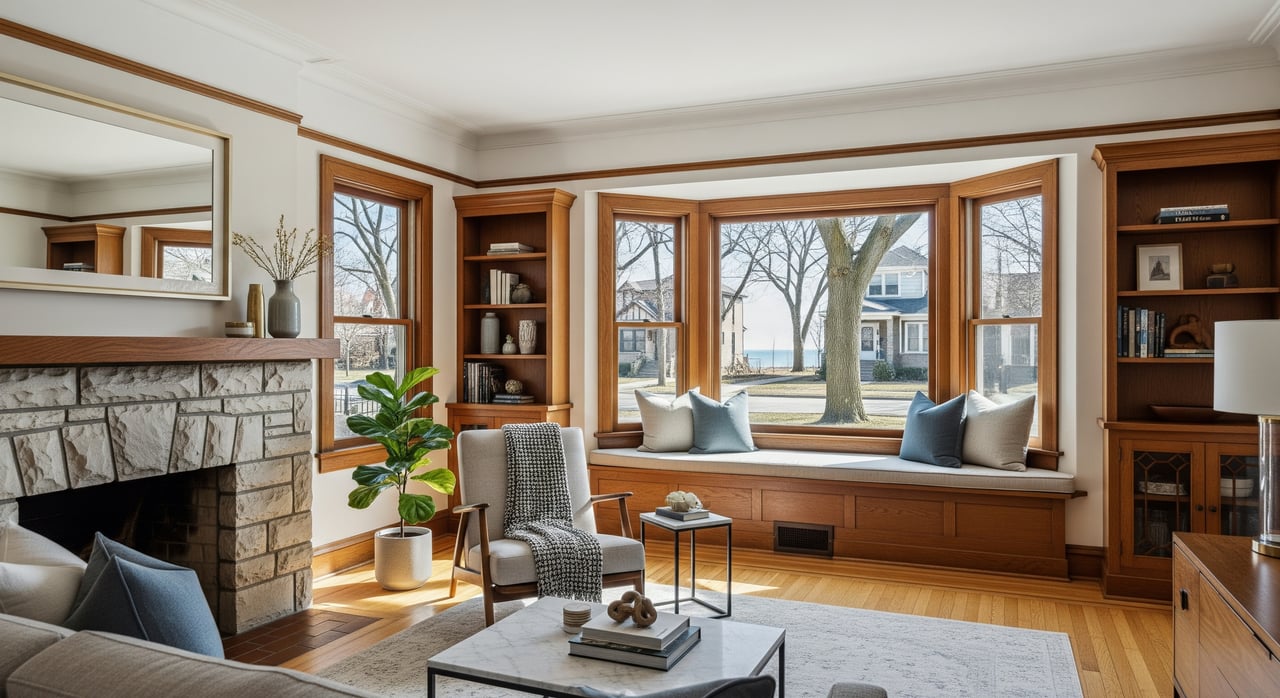
Single‑family homes and vintage properties
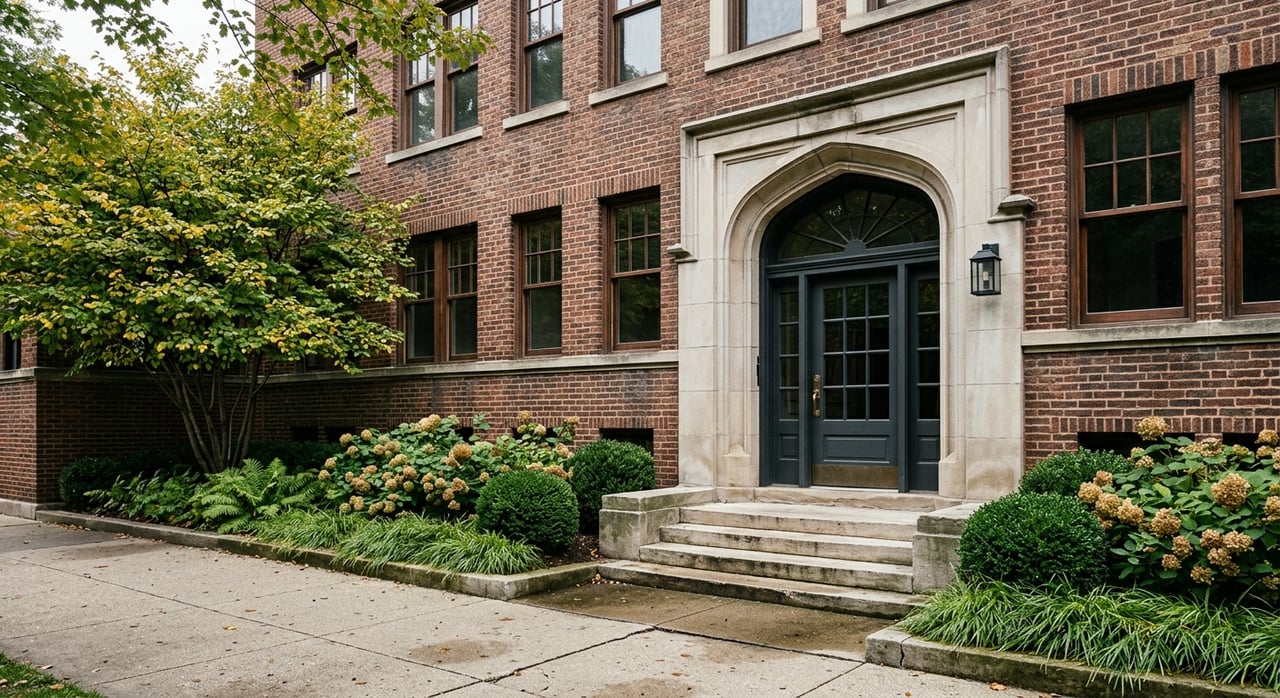
- Age and materials: Many Evanston homes were built before 1978. Expect a lead‑based paint disclosure and plan for safe practices if you renovate.
- Permits and work history: Verify major renovations and additions with City of Evanston permit records.
- Basements and drainage: Ask about sump pumps, sewer backups, and water intrusion. A sewer scope can help identify hidden issues.
Environmental and health checks
- Radon: Common in Illinois; add a test to your inspection contingency and plan for mitigation if levels are elevated.
- Flood risk: Check FEMA flood mapping, especially near the lakefront or low‑lying areas. Even if not required, flood insurance can be worth considering.
- Older materials: Some mid‑20th‑century buildings may include materials that require special handling during renovation. Get guidance before starting projects.
Due diligence documents to request
Ask your agent to help gather these items early:
- Seller’s property disclosure and any federal disclosures for pre‑1978 homes
- Recent property tax bills and parcel ID
- HOA governing documents, budgets, and meeting minutes if applicable
- Recent utility bills to estimate ongoing costs
- Proof of final permits and certificates of occupancy for major work
- Prior inspection reports and repair receipts if available
Transit, parking, and daily life
Access to the Metra Union Pacific North and CTA Purple Line boosts convenience and resale appeal. If you rely on transit, focus your search near stations and bus routes. Downtown buildings may have assigned garage spaces, deeded spaces, or waitlists. For single‑family homes, parking varies by lot and location, and some streets have permit rules. Confirm details before you write an offer.
Quick first-time buyer checklist
- Get pre‑approved and build a budget that includes taxes, HOA dues, and insurance.
- Target neighborhoods based on transit access, lakefront preferences, parking, and housing type.
- Work with a local agent experienced in Evanston condos, vintage homes, and permits.
- Schedule inspections early, including radon and a sewer scope for older homes.
- Review HOA documents, reserves, and rules before you commit.
- Verify tax history and available exemptions with county offices.
- Confirm title insurance, closing date logistics, and final walk‑through timing.
- If applicable, plan for any HOA board approvals or local rental rules.
Your next step
If you are ready to start, we can help you focus on the right neighborhoods, navigate HOA reviews, and keep your Illinois timeline on track from offer to close. We combine local knowledge with a calm, step‑by‑step process so you feel confident at every decision point.
Have questions or want a custom plan for your budget and timeline? Connect with Allie Payne for local guidance tailored to your goals.
FAQs
How long does it take to buy a home in Evanston?
- From contract to closing, most Illinois purchases take about 30 to 45 days, with condos or busy seasons sometimes adding time for documents or underwriting.
What closing costs should a first-time buyer expect in Cook County?
- Closing costs commonly total about 2 to 5 percent of the purchase price for buyers, depending on lender, title fees, and prepaids.
How do property taxes affect my monthly payment in Evanston?
- Cook County taxes can be significant; request the current tax bill, check exemptions, and include tax escrow in your monthly budget if required by your lender.
Which inspections are most important for Evanston homes?
- Plan a general inspection, radon test, and sewer scope for older homes, plus lead‑based paint considerations for properties built before 1978.
What should I review before buying a condo in Evanston?
- Review bylaws, budget, reserves, meeting minutes, insurance, rental rules, and any special assessment history, and ask about buyer approval timelines.
Are there first-time buyer programs I can use in Evanston?
- Look at statewide options through the Illinois Housing Development Authority and check City of Evanston or Cook County resources for local assistance that fits your eligibility.