If you love the idea of stepping outside into one of Chicago’s most recognizable neighborhood scenes, life near Wrigley Field can feel exciting right away. At the same time, living in this part of Lake View comes with real day-to-day tradeoffs that are worth understanding before you buy or sell. From housing types and transit to event-day crowds and quieter side streets, here’s what you should know about living near Wrigley Field in Lake View. Let’s dive in.
Lake View Feels Different Block by Block
One of the most important things to know is that Lake View is not one single, uniform experience. According to Choose Chicago, the broader area includes East Lakeview, Southport Corridor, Northalsted, and Wrigleyville, each with its own feel and rhythm. That matters if you are trying to picture what daily life near Wrigley Field will actually look like.
Wrigleyville is closely tied to Wrigley Field and the Cubs, so the immediate area around the ballpark often feels like an event district. A few blocks away, the experience can shift. Tree-lined residential streets and nearby areas closer to Southport or East Lakeview can feel noticeably calmer while still keeping you close to the neighborhood’s energy.
Wrigley Field Shapes the Area
Wrigley Field is a major part of the neighborhood’s identity. It sits at 1060 W. Addison, is a designated Chicago Landmark, was built in 1914, and has been home to the Cubs since 1916. That long history gives the area a sense of place that many buyers find appealing.
Living nearby means you are not just close to a ballpark. You are also near a well-known Chicago destination that draws people for games, concerts, and neighborhood activity. For some, that creates a fun, built-in lifestyle. For others, it is a sign to pay close attention to how close they want to be to the busiest blocks.
Walkability Is a Big Draw
For many buyers, the biggest upside is how much you can do on foot. Choose Chicago highlights Lake View’s walkability, shoreline setting, shopping corridors on Broadway and Southport, historic music venues, and broad restaurant and bar scene. That mix makes the neighborhood appealing if you want an active, car-light routine.
You can often combine errands, dining, and entertainment without needing to drive. That convenience is one reason the area continues to attract people who want city living with easy access to daily amenities. If your ideal routine includes walking to dinner, grabbing coffee nearby, or heading toward the lakefront, Lake View offers that kind of access.
Transit Near Wrigley Is a Standout Feature
If you are considering life near Wrigley Field, transit is one of the clearest advantages. The CTA’s Addison Red Line station at 940 W. Addison is accessible and connects to CTA bus #152 Addison and #22 Clark. The Red Line also runs 24 hours a day, which adds flexibility for commuting and late-night trips.
CTA also notes that certain Purple Line Express trains stop at Addison when the Cubs have weekday evening home games. That kind of service reinforces how connected this area is during both regular routines and major events. For buyers who prefer to rely less on a car, that can be a meaningful benefit.
Game Days Change the Routine
Living near Wrigley Field also means accepting that game days and event days change how the area functions. The Cubs encourage people to use public transportation, including CTA, Metra, and Pace. They also offer a free bike valet service for home games, and the Addison station includes indoor and sheltered bike parking.
That tells you something important about the neighborhood. On event days, planning ahead matters. Streets are busier, foot traffic increases, and transportation systems are actively managed to move large numbers of people.
Parking Takes More Planning
Parking is possible, but it is not the easiest part of living near Wrigley. Cubs-operated lots are cashless, and the team offers free remote parking for night and weekend games at 4650 N. Clarendon with shuttle service. On event days, rideshare pick-up and drop-off is directed to designated geofenced areas.
The Cubs also note that tailgating is not allowed in Cubs-operated parking lots. Taken together, these details show that parking near Wrigley is structured rather than casual. If you depend on a car every day, this is one of the most important lifestyle considerations to think through.
Resident Parking Matters Here
For nearby residents, Chicago’s residential zone parking system can be part of the solution. The city clerk states that designated areas use permit stickers or daily permits, and stadium parking permits are distributed through aldermanic offices where applicable. The city clerk also notes that residents near Wrigley who are not in Residential Parking Zone 383 may be eligible for a free LV2 night-game parking permit.
If parking is high on your priority list, this is the kind of detail worth reviewing early in your search. The exact block can affect your experience more than buyers sometimes expect. In this part of Lake View, small location differences can have a big impact on your daily routine.
Housing Near Wrigley Is Mostly Multifamily
The housing stock in Lake View is another key part of the story. CMAP’s 2024 snapshot shows that Lake View has 102,827 residents and 58,374 households, with an average household size of 1.8. The area also has a high share of one-person and two-person households, which helps explain the strong presence of smaller housing formats.
Most housing in Lake View is multifamily. CMAP reports that 50.2% of units are in buildings with 20 or more units, 14.5% are in 3- to 4-unit buildings, and 14.4% are in 5- to 9-unit buildings. Only 6.7% of housing units are detached single-family homes.
For buyers who want to live near Wrigley Field, that means you are more likely to compare condos, vintage walk-ups, and small multifamily buildings than detached houses. It also means inventory can vary widely by building style, age, and block location. Understanding that housing mix can help you narrow your search faster.
Older Buildings Add Character
Age is another defining feature of the neighborhood’s housing. CMAP reports that 34.7% of Lake View’s housing stock was built before 1940, and 25.8% was built between 1940 and 1969. The median year built is 1962.
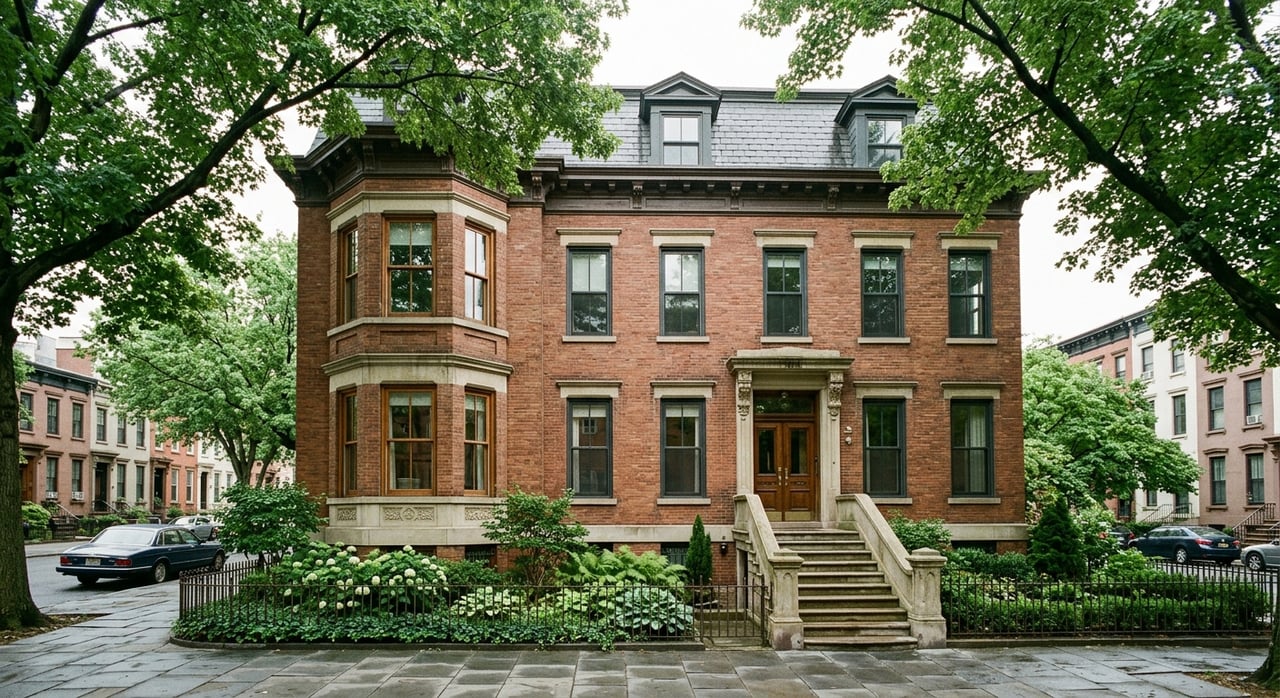
That blend often creates a mix of vintage architecture and later multifamily construction. For buyers, it can mean comparing charm, layout, maintenance, and building updates from one property to the next. For sellers, it highlights why presentation and clear positioning matter so much in a neighborhood where buyers often have several building types to choose from.
Noise and Crowds Are Real Tradeoffs
There is a reason people are drawn to this area, but the tradeoffs are just as real. The same walkability, dining, music, and entertainment options that make Lake View lively also create periodic intensity. Cubs home games and concerts bring crowds, and the transportation setup around the stadium shows how much coordination those events require.
As a practical rule, the blocks closest to Clark, Addison, Waveland, and Sheffield are likely to feel the most event-related foot traffic, noise, and parking pressure. That does not make those blocks better or worse. It simply means they suit a specific kind of buyer who enjoys a more active street scene.
Who Usually Likes Living Here
Life near Wrigley Field often appeals to buyers who want an urban routine with strong transit access and lots to do nearby. If you enjoy being able to walk to restaurants, entertainment, and the train, this part of Lake View can check many boxes. It can also be a strong fit if you value neighborhood energy and want to be close to one of Chicago’s best-known landmarks.
On the other hand, it may be less appealing if you need easy curbside parking, consistently quiet evenings, or lower event density. In our experience, the best outcomes happen when buyers match the block to the lifestyle they want. Near Wrigley, that block-by-block strategy matters.
What Buyers Should Look For
If you are shopping near Wrigley Field, try to evaluate more than just the unit itself. The surrounding block, transit access, parking setup, and distance from the busiest corridors can all shape your experience. A home that feels perfect at noon on a weekday may feel very different during a night game or concert.
A few smart things to compare include:
- Distance to the Addison Red Line station
- Proximity to Clark, Addison, Waveland, and Sheffield
- Residential parking rules on the block
- Building type and age
- How much neighborhood activity you want day to day
These details can help you find the right fit, whether you want to be in the middle of the action or just close enough to enjoy the benefits.
What Sellers Should Keep in Mind
If you are selling a home near Wrigley Field, the key is positioning the property for the right buyer. Some buyers will see the location as a major lifestyle advantage because of transit, walkability, restaurants, and the neighborhood’s connection to Chicago culture. Others will focus on parking or event-day traffic.
That is why thoughtful preparation and clear marketing matter. When a home’s location has a distinct lifestyle profile, strong presentation helps buyers understand the value quickly. It also helps set the right expectations, which can lead to a smoother sale.
Whether you are buying a condo near the ballpark or preparing to sell a Lake View property, local context makes a difference. If you want practical guidance on how to evaluate block-by-block tradeoffs or position a home for today’s buyers, connect with Allie Payne.
FAQs
What is daily life near Wrigley Field in Lake View like?
- Daily life near Wrigley Field can feel very different depending on the block. The area closest to the stadium is more event-focused, while nearby residential streets can feel calmer.
What transit options are available near Wrigley Field in Lake View?
- The Addison Red Line station is accessible, connects with CTA bus #152 Addison and #22 Clark, and the Red Line runs 24 hours a day.
What types of homes are common near Wrigley Field in Lake View?
- Most homes in Lake View are multifamily, including larger condo buildings, small apartment-style buildings, and walk-ups, while detached single-family homes are less common.
What should buyers know about parking near Wrigley Field in Lake View?
- Parking often requires more planning here because event days affect traffic and curb access, and some blocks use residential zone permits or stadium-related parking rules.
Who is a good fit for living near Wrigley Field in Lake View?
- Buyers who want walkability, transit access, and an active neighborhood setting often like this area most, especially if they are comfortable with event-day activity.